
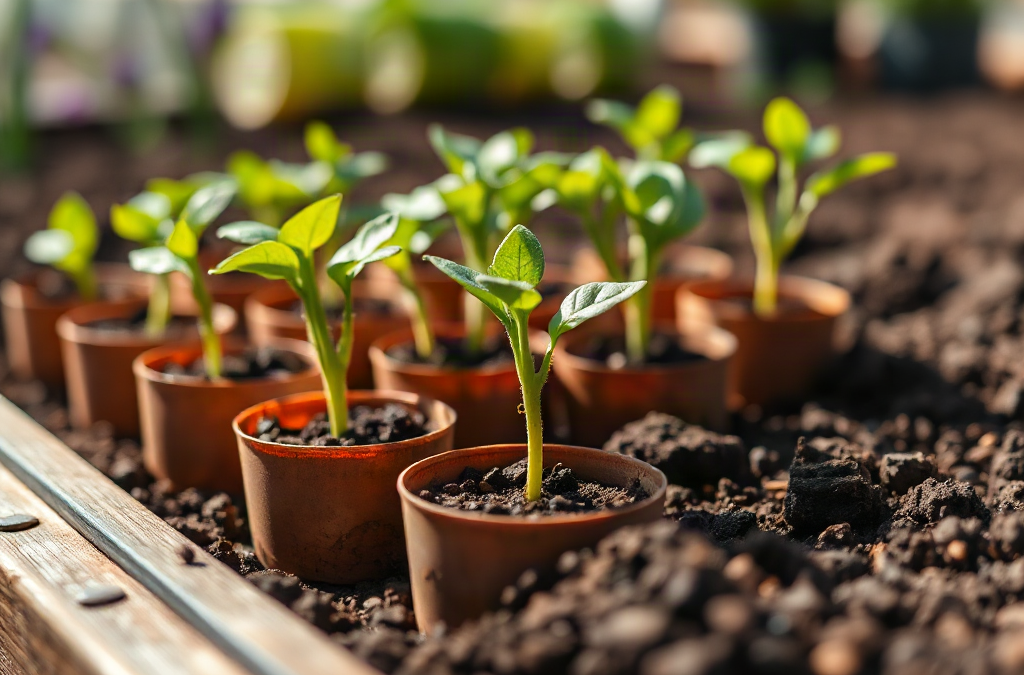
Create a seasonal planting schedule by anchoring each crop to local spring and fall frost dates, then adjusting its sowing window for soil temperature, days to maturity, and whether it tolerates heat or cold. Work backward from harvest dates for long-season crops and forward from safe planting dates for tender plants. Add succession intervals for quick crops such as radishes, lettuce, and bush beans rather than sowing everything at once. Reserve space for transplants before earlier crops finish, and review the schedule weekly because weather, germination, and harvest speed can shift the original dates.
Build the Calendar Around Local Growing Conditions
A useful planting calendar begins with local conditions rather than a generic month-by-month chart. Two gardens in the same region can have different workable dates because elevation, wind exposure, slope, shade, and nearby buildings affect soil warming and frost formation. Record your average last spring frost and first fall frost as reference points, but treat them as probabilities rather than guarantees. An unusually cold night can occur outside the average window.
Frost dates divide crops into practical groups. Cold-tolerant crops such as peas, spinach, kale, and many radishes may be planted before the final spring frost if the soil is workable. Frost-sensitive crops such as beans, cucumbers, peppers, and tomatoes need warmer conditions. The air may feel mild while wet soil remains too cold for dependable germination. A calendar based only on frost dates can therefore send warm-season seeds into conditions where they rot or emerge slowly.
Soil temperature supplies the second anchor. Check it at seed depth in the morning for several days rather than trusting one warm afternoon. Seed packets and university extension planting tables commonly provide useful germination ranges. Waiting for an appropriate range usually produces a more even stand than planting on the earliest theoretically possible date. Transplants also need suitable soil, although they avoid the germination stage.
Microclimates should appear as notes on the schedule. A south-facing bed near masonry may warm earlier, while a low area may collect cold air. A raised bed often drains and warms sooner than heavy ground-level soil. Those differences can justify separate dates for the same crop. For example, peas might go into a well-drained raised bed while the main plot is still too sticky to cultivate.
Day length and seasonal heat matter as much as frost. Spinach planted late in spring may bolt as days lengthen and temperatures rise, even if it has enough calendar days to mature. Tomatoes planted too late may remain green when cool autumn nights arrive. The first draft of how to create a seasonal planting schedule should therefore mark frost boundaries, likely heat periods, bed-specific conditions, and available daylight—not simply assign every crop to a month.
Turn Crop Requirements Into Planting Windows
Each crop needs a window with an opening date, a preferred period, and a practical closing date. A single planting date creates false precision and offers no response to rain, delayed seed delivery, or a bed that remains occupied. Start by listing the crops you genuinely plan to grow, then record whether each will be direct-sown or transplanted, its temperature preference, estimated maturity time, and expected harvest period.
Days to maturity require careful interpretation. For a direct-sown carrot, the count generally relates to sowing. For a tomato, the stated period commonly begins after transplanting rather than when the seed was started indoors. Germination, seedling growth, transplant recovery, and cool weather can all add time. Treat the packet number as a planning estimate, not an appointment with the harvest basket.
Work forward for spring planting. If peas can enter workable soil several weeks before the average last frost, place a broad sowing window there. Tender beans belong after frost danger has declined and the soil has warmed. Work backward for autumn harvests. If a lettuce variety needs about 50 days under favorable conditions, allow extra time for shortening days and cooler growth, then count back from the period when hard freezes usually become likely. Fall crops often need more calendar time than their packet estimate suggests.
Indoor seed-starting dates should be tied to realistic transplant dates. Starting tomatoes excessively early can produce root-bound, stressed plants before outdoor conditions are suitable. Conversely, starting onions or slow-growing peppers too late can shorten their productive season. Include hardening-off time on the calendar so seedlings are gradually exposed to outdoor sun, wind, and temperature changes before transplanting.
A compact crop record can include:
- Planting method: direct sowing or transplanting.
- Temperature class: cool-season, warm-season, or cold-tolerant.
- Timing anchors: weeks before or after frost, soil readiness, and fall deadline.
- Space duration: expected time from planting until the bed can be cleared.
- Backup action: resow after poor emergence, buy transplants, or switch to a faster variety.
The common mistake is filling the schedule with every possible crop before checking labor and space. A smaller calendar that accounts for seed starting, watering, thinning, support, and harvesting is more valuable than an ambitious chart that cannot be maintained. Prioritize crops with narrow planting windows first; flexible, fast-growing crops can fill later gaps.
Map Succession Plantings and Bed Turnover
Succession planning connects individual crop dates to the limited space in each bed. It can mean sowing the same crop repeatedly, following an early crop with a later one, or planting varieties with different maturity times. These approaches spread harvests and reduce the risk of receiving more produce than you can use during one short period.
Repeated sowing suits quick crops whose eating quality or harvest period is brief. Instead of planting an entire row of radishes or lettuce at once, sow a smaller amount and schedule another sowing after an interval appropriate to the crop and season. Fixed weekly intervals are not always reliable: a lettuce sowing made during cool weather may mature slowly, while the next one accelerates as spring warms. Watch plant growth and make the next sowing when the previous batch is established, not solely because a date has arrived.
Bed turnover requires more conservative timing. Suppose spring peas are expected to finish before cucumbers need their trellis. The plan works only if the peas are removed, the bed is prepared, and cucumber seedlings are ready at the same time. Cool spring weather may delay the peas, forcing a choice between sacrificing their final harvest or delaying the cucumbers. Mark an overlap decision date on the calendar rather than assuming both crops will cooperate.
Interplanting can soften that conflict. Young kale or lettuce may grow between widely spaced, newly planted tomatoes and be harvested before the tomatoes create dense shade. The comparison is not simply intensive planting versus unused soil. Crowding can restrict airflow, complicate watering, and make harvesting difficult. Use estimated mature widths and access paths, even when temporary crops occupy open ground.
Reserve a nursery area or containers for replacement plants when possible. If garlic comes out later than expected, fall broccoli transplants can wait briefly in pots, though prolonged holding may stunt them. Direct-sown root crops lack that flexibility because transplanting can damage their roots. That distinction should influence which successor crop you assign to a bed.
A bed map makes how to create a seasonal planting schedule operational. Label each bed, show the expected occupancy period for every crop, and flag overlaps in a different color. An empty interval is not necessarily wasted space; it may provide time to add compost, manage weeds, repair irrigation, or avoid planting during the harshest heat.
Create a Schedule You Can Adjust During the Season
The best format is one you will update while standing near the garden. A paper calendar, spreadsheet, or garden app can all work, provided the record shows planned dates beside actual dates. Planned information guides the season; actual sowing, emergence, transplanting, and harvest dates improve next year’s decisions.
Set up one row for each crop and planting batch. Include the variety because maturity and heat tolerance can differ substantially within the same crop. Useful columns include bed location, seed-start date, direct-sow or transplant date, emergence date, expected harvest window, actual first harvest, and removal date. Add a short notes field for problems such as poor germination, flea beetle damage, unexpected shade, or irrigation failure.
Review the calendar weekly during active planting periods. If heavy rain prevents carrot sowing, move the date and check whether the revised crop still has time to mature before summer heat. If half a row of beans fails to emerge, decide promptly whether to resow, fill the space with another crop, or accept a smaller stand. A schedule is failing when missed dates accumulate without decisions, beds are repeatedly double-booked, or indoor seedlings outgrow their containers.
Weather forecasts are useful for short-term adjustments, but they should not replace seasonal limits. A warm spell before the usual final frost can tempt gardeners to set out tender plants. If cold returns, protection may be inadequate or labor-intensive. Waiting may delay the first harvest slightly, yet it avoids the cost and disruption of replacing damaged plants. For a small number of high-value transplants, row cover or cloches can extend the window; for a large planting, waiting is often more manageable.
Use this four-part review before committing to the next planting:
- Check the forecast, soil moisture, and soil temperature.
- Confirm that the assigned bed is available and prepared.
- Verify that the crop can still mature within the remaining season.
- Record the actual action and schedule the next inspection or sowing.
At season’s end, compare projected and actual results. Note which bed warmed first, when heat-sensitive crops declined, how long varieties occupied space, and whether succession intervals were too short or too long. Avoid rewriting the entire calendar around one unusual season. Preserve several years of notes so recurring local patterns become clearer and one exceptional frost, drought, or wet spring does not distort the plan.
Frequently Asked Questions
Should a planting schedule use frost dates or USDA hardiness zones?
Use local frost dates for annual crop timing. Hardiness zones describe typical minimum winter temperatures and are more useful for judging perennial cold tolerance than selecting spring sowing dates.
How much extra time should be added to days to maturity?
No single buffer fits every crop. Add time for germination and transplant recovery, and allow a larger margin for autumn crops because growth slows as temperatures and daylight decline.
How often should succession crops be planted?
Base the interval on harvest needs and current growth. Small sowings every few weeks may suit radishes, lettuce, or bush beans, but heat and cold can change how quickly consecutive batches mature.
Can the same schedule be reused every year?
Reuse it as a starting template, then adjust it with actual frost, sowing, harvest, pest, and bed-turnover records. Seasonal weather varies, but several years of notes reveal dependable local patterns.
What should be scheduled first in a small garden?
Schedule long-season crops and plants with narrow temperature windows first. Fit quick, flexible crops around them, while leaving enough room for access, airflow, irrigation, and unavoidable delays.
Conclusion
A dependable calendar combines regional timing with observations from the actual beds where crops will grow. Establish frost references and soil-temperature checks, assign each variety a realistic planting window, and account for the full period that it occupies space. Then coordinate repeated sowings and successor crops without assuming every harvest will arrive on schedule.
Begin with the crops that have long maturity periods or narrow weather tolerances. Record planned and actual dates, review the calendar each week, and make explicit decisions when rain, heat, poor emergence, or delayed harvests disrupt the sequence. At the end of the season, retain the useful local evidence rather than replacing it with a fresh generic chart. That record turns next year’s schedule into a better forecast of your soil, workload, and usable growing season.


