
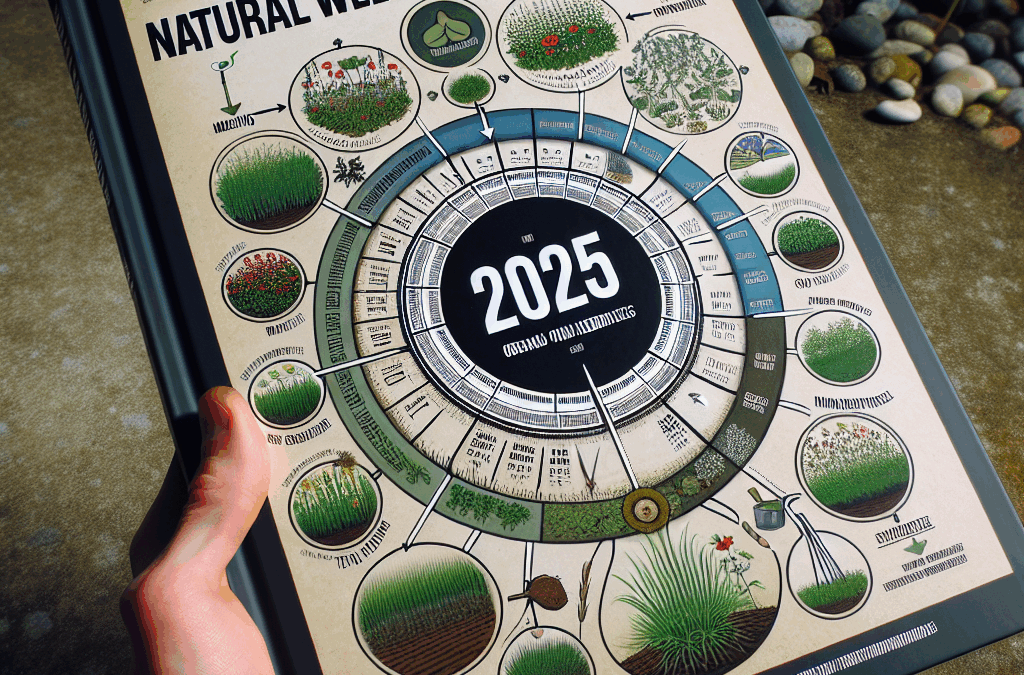
Timing is important when transplanting seedlings. Ideally, it should be done during cool, cloudy weather to reduce stress on the plants. Additionally, seedlings should be transplanted when they have developed a strong root system but are not yet root-bound. Failing to consider these factors can result in transplant shock, which can hinder growth and development.
One common mistake is to transplant seedlings too early or too late in the season. Early transplanting can expose seedlings to frost, while late transplanting may not give them enough time to establish before the growing season ends. Always check local weather conditions and soil temperatures to determine the optimal time for transplanting.
Preparing the Planting Site
Before transplanting, it’s essential to prepare the new planting site to ensure optimal conditions for the seedlings. This includes selecting a location with adequate sunlight, good drainage, and nutrient-rich soil. Amend the soil with organic matter, such as compost or well-rotted manure, to enhance its fertility.
When preparing the site, consider the spacing between seedlings. Overcrowding can lead to competition for resources, stunted growth, and increased susceptibility to diseases. Follow recommended spacing guidelines for the specific type of seedlings you are transplanting.
It’s also crucial to ensure that the soil is adequately moist before transplanting. Dry soil can lead to stress on the seedlings and hinder their ability to establish roots. Water the site thoroughly a day before transplanting to create a conducive environment.
Careful Seedling Handling
Handling seedlings with care is vital to prevent damage during transplanting. Start by gently loosening the soil around the seedlings in their original containers. Use a small tool or your fingers to avoid harming the roots. Once loosened, grasp the seedlings by the leaves, not the stem, to minimize the risk of breakage.
Transplanting should be done as quickly as possible to limit the time seedlings spend out of soil. If you need to delay transplanting, keep the seedlings in a shaded area and water them lightly to maintain moisture.
Common pitfalls include pulling seedlings out too forcefully or disturbing the roots excessively. This can lead to root damage and increased transplant shock. Always prioritize gentle handling to ensure the seedlings remain intact.
Post-Transplant Care
After transplanting, providing the right care is essential for helping seedlings adapt to their new environment. Water the seedlings thoroughly to help them settle into the soil and reduce transplant shock. A layer of mulch can also help retain moisture and regulate soil temperature.
Monitor the seedlings closely for signs of stress, such as wilting or yellowing leaves. If stress is observed, consider providing temporary shade to protect them from direct sunlight until they acclimate. Additionally, avoid fertilizing immediately after transplanting, as this can further stress the plants.
As the seedlings begin to establish themselves, gradually reduce watering frequency to promote deeper root growth. This will help them become more resilient in the long run.
Further Reading
Authoritative Sources
- MedlinePlus
medlineplus.govConsumer-friendly medical and health information from the U.S. National Library of Medicine.
- National Institutes of Health
nih.govResearch-based health information and links to authoritative medical resources.
- Centers for Disease Control and Prevention
cdc.govOfficial public health guidance, prevention resources, and topic-specific recommendations.
- Mayo Clinic
mayoclinic.orgTrusted clinical guidance, symptom explainers, and treatment overviews.
- World Health Organization
who.intGlobal health guidance, fact sheets, and evidence-based public health information.
Frequently Asked Questions
What is the best time to transplant seedlings?
The best time to transplant seedlings is during cool, cloudy weather, ideally in the morning or late afternoon to reduce stress.
How can I minimize transplant shock?
To minimize transplant shock, handle seedlings gently, keep the soil moist, and provide shade after transplanting until they acclimate.
Should I fertilize after transplanting?
Avoid fertilizing immediately after transplanting, as this can stress the seedlings. Wait until they have established roots.
How deep should I plant seedlings?
Plant seedlings at the same depth they were growing in their containers to prevent stem rot and ensure proper growth.
What should I do if my seedlings wilt after transplanting?
If seedlings wilt after transplanting, check soil moisture and provide shade. Water them thoroughly to help them recover.
Conclusion
Transplanting seedlings safely involves careful planning and execution to ensure their successful establishment. Prioritize site preparation, gentle handling, and proper post-transplant care to minimize stress and promote healthy growth. By following these guidelines, you can help your seedlings thrive and contribute to a productive garden.


