
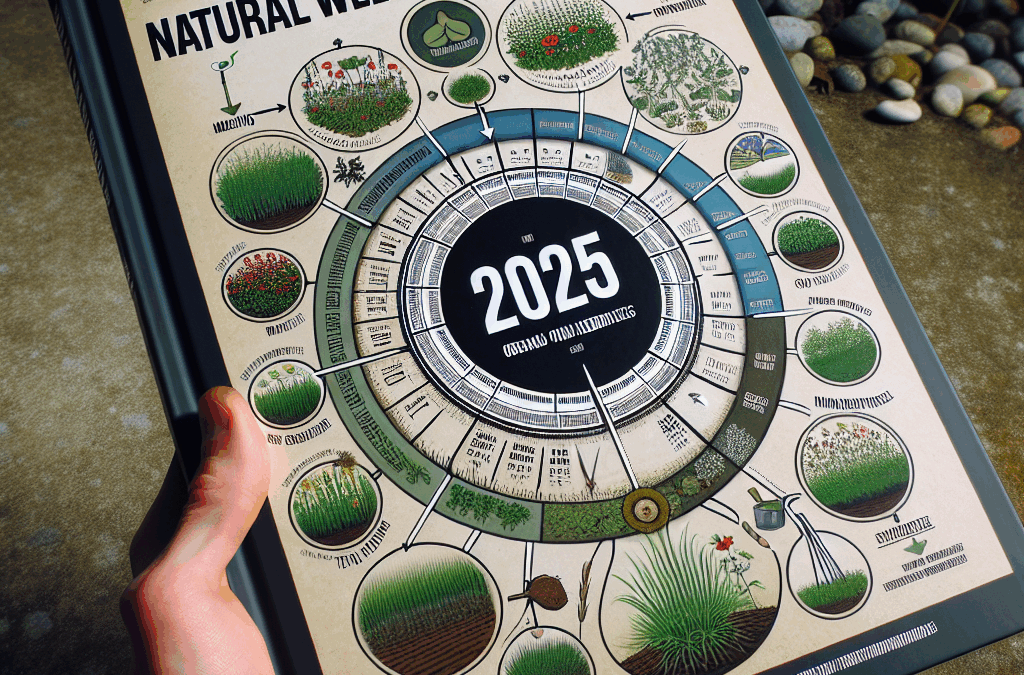
Understanding your local climate and soil type is crucial. Different plants thrive in varying conditions, and knowing what works best in your area can save you time and resources. Analyze factors such as sunlight, rainfall, and soil pH before making your selections. Additionally, consider the space available; a well-planned garden layout can enhance productivity and make maintenance easier.
Common mistakes include overcrowding plants, neglecting soil health, and failing to plan for seasonal changes. Prioritize creating a diverse garden ecosystem with a mix of plants to attract beneficial insects and improve soil quality. Remember that gardening is a learning process, and observing what works best for your unique situation will guide your decisions moving forward.
Choosing the Right Plants
To build a successful homestead garden, selecting the right plants is essential. Consider growing a mix of vegetables, herbs, and flowers that are well-suited to your climate and soil conditions. Diverse plant selection not only provides a variety of produce but also enhances the garden’s resilience against pests and diseases.
Some popular choices for homestead gardens include tomatoes, peppers, carrots, and various leafy greens. Additionally, incorporating herbs like basil, oregano, and mint can improve the flavor of your meals and attract beneficial pollinators. Researching local varieties and heirloom seeds can also yield better results, as these plants are often more adapted to local conditions.
When planning your plant selection, consider the growing season and the timing of planting. Early spring crops such as peas and spinach can be followed by summer crops like zucchini and beans, allowing for a continuous harvest throughout the year. This strategy maximizes your garden’s productivity and ensures a steady supply of fresh produce.
Designing Your Garden Layout
A well-thought-out garden layout is key to maximizing space and ensuring healthy plant growth. Consider using raised beds, row planting, or square foot gardening techniques to organize your plants effectively. Raised beds can improve drainage and soil quality, while square foot gardening allows for efficient use of space.
Another important aspect of garden layout is ensuring proper spacing between plants. Adequate spacing promotes air circulation, reduces the risk of disease, and allows for easier access for maintenance tasks. Companion planting can also enhance growth and deter pests; for example, planting marigolds alongside vegetables can repel harmful insects.
As you design your layout, think about the sun exposure each area receives throughout the day. Taller plants should be placed on the north side of the garden to avoid shading shorter plants. Regularly reassessing and adjusting your layout based on plant performance and seasonal changes can lead to even better results.
Soil Preparation and Maintenance
Healthy soil is the foundation of a successful homestead garden. Start by testing your soil to determine its pH and nutrient levels. Based on the results, amend your soil with organic matter, compost, or fertilizers to improve its structure and fertility.
Regular maintenance is crucial for soil health. Practices like crop rotation, cover cropping, and mulching can prevent nutrient depletion and suppress weeds. Crop rotation helps break disease cycles and improves soil fertility, while cover crops can add organic matter to the soil and enhance biodiversity.
Additionally, consider the benefits of no-till gardening, which minimizes soil disruption and preserves soil structure. This method can lead to healthier soil ecosystems and improved water retention, making your garden more resilient to drought conditions.
Watering and Irrigation Strategies
Effective watering is vital for plant health in a homestead garden. Establishing a consistent watering schedule based on your plants’ needs and environmental conditions is essential. Early morning is often the best time to water, as it allows plants to absorb moisture before the heat of the day.
Consider implementing drip irrigation or soaker hoses to deliver water directly to the plant roots, reducing waste and minimizing evaporation. Rainwater collection systems can also be an eco-friendly alternative, providing a sustainable water source for your garden.
During dry spells, pay attention to signs of water stress in your plants. Wilting leaves or slow growth can indicate that your garden requires more water. Adjust your watering schedule accordingly to ensure optimal plant health and productivity.
Pest Management Techniques
Managing pests is an important aspect of maintaining a healthy homestead garden. Start by observing your plants regularly to identify any signs of pest damage. Early detection allows for more effective intervention and can prevent infestations from spreading.
Employing integrated pest management (IPM) strategies can help control pests while minimizing harm to beneficial insects. Techniques such as introducing natural predators, using insecticidal soaps, or creating barriers can effectively manage pest populations without resorting to harmful chemicals.
Additionally, maintaining a diverse garden with a variety of plants can deter pests and promote a balanced ecosystem. Encourage beneficial insects by planting flowers that attract them, and avoid monoculture practices that can lead to pest outbreaks.
Further Reading
For more information on building a homestead garden, consider exploring the following resources:
Authoritative Sources
- Cooperative Extension System
extension.orgA valuable resource for local gardening information and best practices tailored to your region
- Rodale's Organic Life
rodalesorganiclife.comProvides insights on organic gardening techniques and sustainable practices for homesteaders
- The Old Farmer's Almanac
almanac.comOffers planting calendars, gardening tips, and resources for successful gardening throughout the year
Frequently Asked Questions
What is the best time to start a homestead garden?
The best time to start a homestead garden depends on your local climate, but generally, early spring is ideal for cool-season crops, while warmer-season crops can be planted after the last frost.
How much space do I need for a homestead garden?
The space required varies based on your goals, but even a small plot of 100-200 square feet can yield a significant amount of produce if planned effectively.
What are some common mistakes to avoid when starting a homestead garden?
Common mistakes include overplanting, neglecting soil health, and failing to plan for seasonal changes. Start small and gradually expand as you gain experience.
How do I maintain soil health in my garden?
Maintain soil health by regularly adding organic matter, practicing crop rotation, and using cover crops to improve nutrient levels and structure.
What are effective pest management strategies for homestead gardens?
Effective pest management includes monitoring plants regularly, using natural predators, and employing integrated pest management (IPM) techniques to minimize harm to beneficial insects.
Conclusion
Building a homestead garden requires careful planning, selection of appropriate plants, and ongoing maintenance. By prioritizing soil health, effective watering, and pest management strategies, you can create a thriving ecosystem that produces fresh, nutritious food. Start small, learn from your experiences, and adapt your practices to your unique environment to ensure your garden’s success.


