
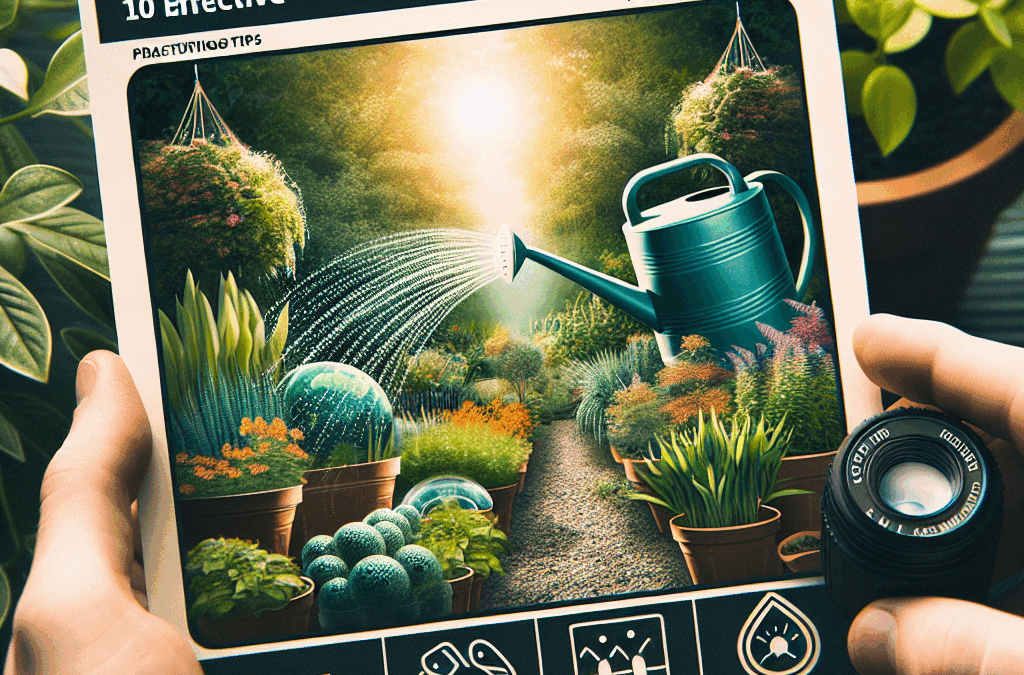
To create a successful low maintenance garden, it’s essential to understand the specific needs of various plants and the local growing conditions. Prioritizing drought-resistant varieties and utilizing mulching can significantly reduce the amount of water and weeding required. Additionally, establishing a planting schedule that aligns with seasonal changes can help minimize labor while maximizing yield.
Many gardeners underestimate the importance of soil health and its impact on plant productivity. Investing in quality soil amendments at the start can save time and effort in the long run. Furthermore, choosing native plants or those well-suited for your climate can lead to a more resilient garden that requires less intervention.
Choosing the Right Plants for Low Maintenance
Choosing the right plants is crucial for establishing a low maintenance garden that feeds a family. Look for vegetables that are known for their hardiness and minimal care requirements, such as tomatoes, zucchini, and leafy greens. These crops can thrive in various conditions and often yield plentiful harvests.
When selecting plants, consider incorporating perennials such as asparagus or rhubarb, which return year after year without replanting. This choice not only saves time but also reduces the need for annual planting and maintenance. Additionally, incorporating herbs like rosemary or thyme can enhance flavor in meals while requiring little upkeep.
Another key consideration is the local climate and soil type. Native plants or those bred for your specific environment typically require less water and are more resilient to pests, making them ideal for low maintenance gardening. Prioritize plants that are well-suited to your growing zone to maximize success.
Effective Planting Techniques
Effective planting techniques can significantly reduce the amount of time and effort required to maintain a garden. One popular method is raised bed gardening, which allows for improved drainage and easier access. This approach can simplify planting and weeding, making it more manageable for busy families.
Container gardening is another effective technique, especially for those with limited space. By using pots and planters, you can control the soil quality and moisture levels, making it easier to grow a variety of vegetables. Additionally, grouping containers together can create a cohesive garden space while maximizing sunlight exposure.
When planning your garden layout, consider spacing plants appropriately to minimize competition for nutrients and water. Proper spacing can help reduce disease pressure and promote healthier growth. Remember to rotate crops each season to maintain soil health and prevent pest issues.
Soil Preparation and Maintenance
Soil preparation is foundational to a low maintenance garden. Start by testing your soil to determine its nutrient levels and pH. This step will guide you in amending the soil with necessary nutrients, ensuring plants have the best possible start. Organic matter, such as compost, can greatly enhance soil structure and fertility.
Once the soil is prepared, implementing a mulching strategy can save time on weeding and watering. Mulch helps retain moisture, suppresses weeds, and improves soil quality as it breaks down. Aim for a 2-3 inch layer of organic mulch around your plants for optimal results.
Regularly monitoring soil moisture levels is also crucial. Using drip irrigation or soaker hoses can provide consistent moisture while minimizing evaporation. This approach allows for efficient watering without the need for daily attention, making it easier for busy families to maintain their gardens.
Utilizing Companion Planting
Companion planting is a strategic method that can enhance the productivity of your low maintenance garden. Certain plants, when grown together, can benefit each other by repelling pests or enhancing growth. For example, planting marigolds alongside vegetables can deter harmful insects, reducing the need for chemical interventions.
Additionally, some plants can improve soil health when grown together. For instance, legumes like beans can fix nitrogen in the soil, benefiting neighboring crops. Understanding these relationships can lead to a more productive garden with less effort.
It’s important to plan your companion planting layout carefully. Research which plants thrive together and which do not, as some combinations can hinder growth. By strategically planning your garden, you can create a harmonious ecosystem that requires minimal maintenance.
Further Reading
Authoritative Sources
- Gardening for Beginners: Low Maintenance Options
example.comThis resource provides an in-depth look at low maintenance plants and gardening techniques suitable for beginners
Frequently Asked Questions
What vegetables are best for a low maintenance garden?
Tomatoes, zucchini, and leafy greens are excellent choices due to their hardiness and high yield with minimal care.
How can I reduce weeding in my garden?
Using mulch and proper spacing between plants can significantly reduce weed growth and maintenance.
What is companion planting?
Companion planting involves growing certain plants together to enhance growth, deter pests, and improve soil health.
How often should I water my low maintenance garden?
Watering frequency depends on plant types and climate, but using drip irrigation can help maintain consistent moisture with less effort.
Can I grow a low maintenance garden in containers?
Yes, container gardening is a great option for low maintenance gardens, allowing for better control over soil and moisture levels.
Conclusion
Creating a low maintenance garden that still feeds a family is achievable with careful planning and the right plant selections. Focus on choosing hardy vegetables, implementing effective planting techniques, and ensuring optimal soil health. By utilizing strategies like companion planting and mulch, you can significantly reduce maintenance while enjoying a bountiful harvest. Prioritize your choices based on your local climate and available space to create a resilient and productive garden.


