
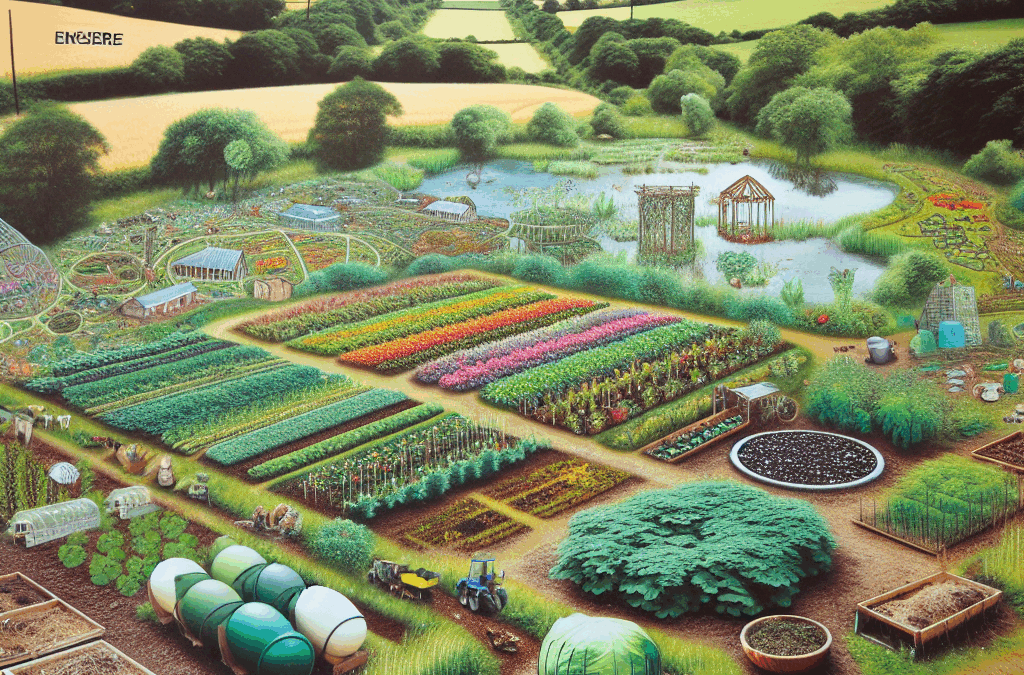
When selecting vegetables for quick returns, consider factors such as your climate, soil conditions, and the time of year. For instance, radishes thrive in cooler weather, while green beans prefer warmer temperatures. Additionally, planting seeds at the right depth and spacing is crucial for maximizing growth and minimizing competition among plants.
Common mistakes include planting too late in the season or failing to provide adequate water and nutrients. Moreover, many gardeners underestimate the time it takes for seedlings to establish before they start producing. Understanding the specific needs and growth patterns of these fast-return vegetables can lead to a more successful and rewarding gardening experience.
Radishes: The Quickest Crop
Radishes are one of the fastest-growing vegetables, often ready to harvest in as little as 25 days. They grow well in a range of soils and can tolerate cooler temperatures, making them a perfect early spring crop. Their rapid growth means that they can be sown in succession every couple of weeks for a continuous harvest.
To grow radishes effectively, ensure your soil is well-drained and rich in organic matter. Avoid overcrowding by adhering to the recommended spacing, as this can lead to smaller roots. After sowing, keep the soil consistently moist to encourage swift germination and growth.
Many gardeners overlook the importance of thinning radish seedlings, which can lead to stunted growth. Proper thinning allows the remaining plants to access nutrients and space, resulting in larger, healthier radishes.
Lettuce: Fast and Flavorful
Lettuce can be harvested within 30 to 60 days, depending on the variety. Leaf lettuces, in particular, are among the quickest to mature, allowing gardeners to enjoy fresh salads in no time. They thrive in cooler temperatures and can be planted in early spring or late summer.
When growing lettuce, it’s essential to keep the soil consistently moist and well-drained. Using a balanced fertilizer can also promote healthy growth and improve flavor. Regularly harvesting outer leaves encourages further growth and prevents the plant from bolting in warmer weather.
Many gardeners mistakenly believe that all lettuce types require the same care. Understanding the specific needs of different varieties, such as romaine versus butterhead, can help you maximize your yield and flavor.
Spinach: Nutrient-Rich and Rapid
Spinach is another fast-growing vegetable, typically ready for harvest within 30 to 45 days. This nutrient-dense leafy green thrives in cool weather, making it an excellent choice for spring or fall planting. Spinach can be harvested as baby leaves or allowed to mature for a more substantial yield.
To cultivate spinach successfully, ensure it receives ample sunlight and is planted in fertile soil. Regular watering is crucial, especially during dry spells, to prevent the plants from bolting. Spinach can be direct-seeded or started indoors and transplanted, providing flexibility in your gardening approach.
One common mistake with spinach is planting too late in the season, leading to poor yields. Timing your planting to avoid hot summer months is essential for a successful harvest.
Green Beans: A Reliable Choice
Green beans are a popular choice for home gardens, with most varieties maturing in 50 to 60 days. They are easy to grow and can be sown directly into the ground once the soil has warmed. Green beans thrive in full sun and can be grown in various soil types.
When planting green beans, consider using trellises for pole varieties, which can help maximize space and improve air circulation. Regular harvesting encourages the plants to produce more beans, leading to a bountiful crop.
Many gardeners fail to provide adequate support for climbing varieties, resulting in broken stems and reduced yields. Investing time in proper support structures can significantly enhance your green bean harvest.
Further Reading
Authoritative Sources
- Vegetable Gardening Resources
extension.harvard.eduThis source offers comprehensive resources on vegetable gardening, including fast-growing varieties and tips for successful cultivation
- Gardening Know How
gardeningknowhow.comProvides detailed guides and articles on various vegetables, including growth times and best practices for gardening
Frequently Asked Questions
What are the fastest vegetables to grow from seed?
Radishes, lettuce, spinach, and green beans are among the fastest vegetables to grow from seed, taking as little as 25 to 60 days to harvest.
How often can I plant fast-growing vegetables?
Can I grow vegetables in containers?
Fast-growing vegetables can be planted in succession every couple of weeks for continuous harvests, and most can thrive in containers as long as there is adequate drainage.
What conditions do fast-growing vegetables need?
Fast-growing vegetables typically require well-drained soil, consistent moisture, and adequate sunlight to thrive.
How do I prevent my vegetables from bolting?
To prevent bolting, plant fast-growing vegetables at the right time, provide consistent watering, and choose heat-resistant varieties when necessary.
Can I save seeds from my fast-growing vegetables?
Yes, you can save seeds from many fast-growing vegetables, but ensure they are open-pollinated varieties for the best chance of true-to-type offspring.


