
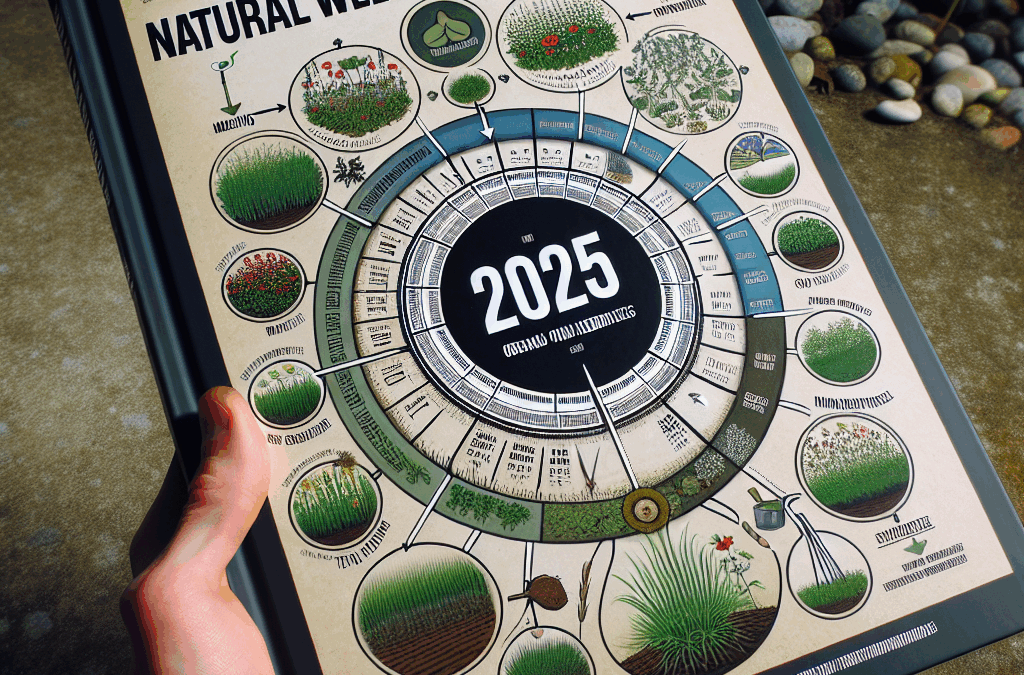
The easiest crops for a continuous harvest system are leafy greens, root vegetables, and herbs. Varieties like lettuce, spinach, radishes, and basil are ideal because they grow quickly and can be harvested multiple times. To maintain a steady supply, practice succession planting by sowing seeds at regular intervals. This approach not only maximizes your garden's productivity but also ensures you have fresh ingredients available throughout the growing season. By mixing crops with different growth rates, you can enjoy a diverse harvest while minimizing waste.
Understanding Continuous Harvest Systems
A continuous harvest system is designed to provide fresh produce throughout the growing season by planting crops at staggered intervals. This method allows gardeners to enjoy a variety of crops without overwhelming themselves with a single large harvest. Understanding the principles behind this system is essential for maximizing the efficiency and yield of your garden.
Key to this approach is the selection of crops that mature quickly and can be replanted regularly. By focusing on fast-growing varieties and using techniques like succession planting, you can ensure that your garden remains productive and vibrant. This method not only optimizes space but also minimizes waste, as you can harvest only what you need when you need it.
Best Crops for Continuous Harvesting
When considering crops for a continuous harvest system, it’s important to choose varieties that thrive in your climate and soil conditions. Leafy greens like lettuce and spinach are excellent choices as they mature rapidly and can be harvested multiple times. Additionally, root vegetables such as radishes and baby carrots are quick to grow and can be sown in intervals for a steady supply.
Herbs like basil, cilantro, and parsley also work well for this system. They can be snipped regularly, encouraging new growth and providing fresh flavors for your meals. By selecting a mix of crops that have varying growth rates and harvest times, you can create a diverse and productive garden that yields throughout the season.
Techniques for Successful Succession Planting
Succession planting is a crucial technique for maintaining a continuous harvest system. This involves planting new seeds or seedlings at regular intervals, which ensures that as one crop is harvested, another is ready to take its place. To implement this effectively, keep a planting schedule based on the growth rates of your chosen crops.
For example, you might plant lettuce every two weeks so that you have a fresh batch ready to harvest continuously. It’s also beneficial to rotate crops to avoid soil depletion and pest buildup. By diversifying your plantings and adhering to a schedule, you can maximize your garden’s output and enjoy fresh produce year-round.
Frequently Asked Questions
What are the best crops for continuous harvesting?
Leafy greens like lettuce and spinach, root vegetables like radishes, and herbs such as basil and cilantro are excellent choices for continuous harvesting.
How often should I plant for continuous harvest?
Planting intervals can vary, but a common practice is to plant every 1-2 weeks, depending on the crop's growth rate.
Can I grow crops year-round?
Yes, with the right climate and possibly the use of greenhouses or cold frames, many crops can be grown year-round.
What should I do if my crops are not producing?
Check for issues such as pests, diseases, or nutrient deficiencies. Adjusting care routines and ensuring proper soil health supports yields.
Is succession planting complicated?
Not at all! It simply requires planning and keeping a schedule, making it an accessible technique for any gardener.
Conclusion
Implementing a continuous harvest system can transform your gardening experience, providing a steady supply of fresh produce. Focus on selecting quick-maturing crops and employing succession planting techniques to maximize your yield. With careful planning and attention to your garden’s needs, you can enjoy a diverse array of vegetables and herbs throughout the growing season.


