
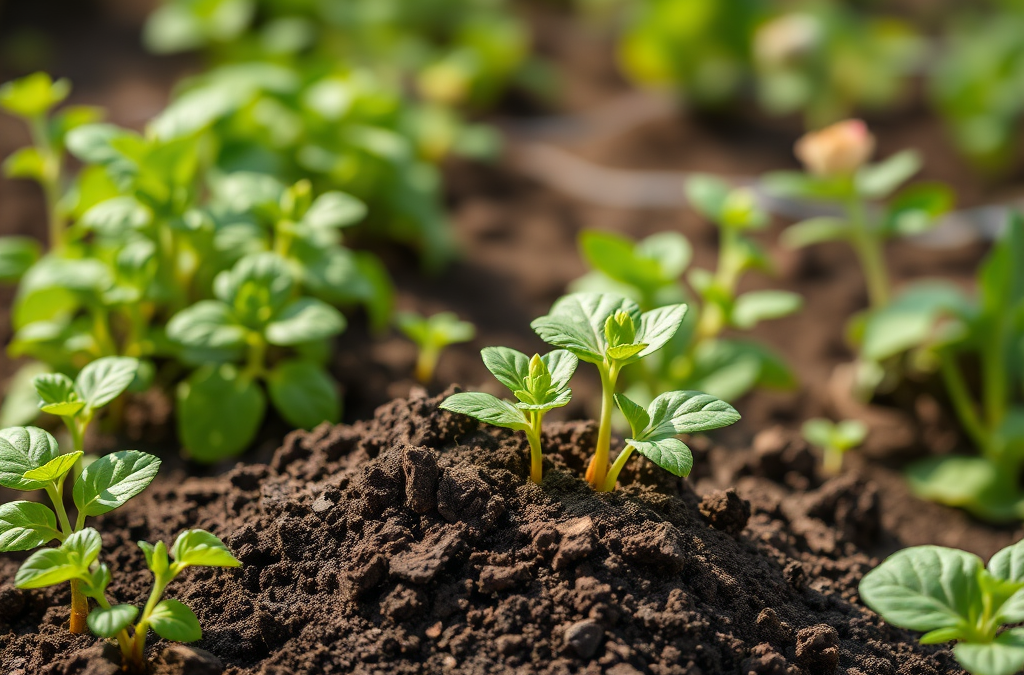
The best soil amendments for vegetable gardens are organic materials like compost, well-rotted manure, and peat moss, which significantly enhance soil quality. These amendments improve nutrient availability and soil structure, leading to better water retention and aeration. For optimal results, consider conducting a soil test to identify specific nutrient deficiencies and pH levels, allowing you to tailor your amendments accordingly. Regularly incorporating these organic materials will not only boost plant health but also foster a thriving ecosystem within your garden soil.
Understanding Soil Amendments
Soil amendments are materials added to soil to improve its physical or chemical properties. They play a critical role in enhancing soil fertility, structure, and overall health, which are essential for successful vegetable gardening. Understanding the specific needs of your soil is the first step in determining which amendments will be most beneficial.
Soil quality can significantly affect plant growth, influencing factors such as nutrient availability, water retention, and microbial activity. Therefore, assessing soil conditions through testing can provide valuable insights into what amendments might be necessary to optimize your vegetable garden.
Types of Soil Amendments
There are various types of soil amendments, each serving different purposes. Organic amendments, such as compost, well-rotted manure, and leaf mold, are particularly beneficial as they enhance soil structure, provide essential nutrients, and improve moisture retention. In contrast, inorganic amendments like lime and gypsum can adjust soil pH and improve drainage in heavy clay soils.
Compost is one of the most versatile amendments, rich in nutrients and beneficial microorganisms that support plant health. Well-rotted manure adds organic matter and nutrients, while peat moss improves soil aeration and moisture retention. Gypsum is particularly useful in clay soils, as it helps break up compacted soil, improving drainage and root penetration.
Benefits of Using Soil Amendments
Using soil amendments can lead to healthier plants and increased yields in vegetable gardens. By improving soil structure, these amendments enhance root growth and nutrient uptake, resulting in stronger plants. They also help retain moisture, reducing the need for frequent watering.
Moreover, soil amendments can foster a more diverse soil ecosystem, which is crucial for maintaining soil health. Beneficial microorganisms thrive in amended soils, promoting nutrient cycling and disease resistance in plants. Regular use of soil amendments can lead to long-term improvements in soil fertility and structure, creating a self-sustaining garden environment.
How to Apply Soil Amendments
Applying soil amendments effectively requires understanding the specific needs of your garden. Begin by conducting a soil test to identify nutrient deficiencies and pH levels. Based on the results, select appropriate amendments and determine the correct application rates.
When applying organic amendments like compost or manure, till them into the top 6-12 inches of soil. This incorporation allows for better mixing and faster breakdown, ensuring that nutrients are readily available to plants. For inorganic amendments, follow the manufacturer’s instructions regarding application rates and methods.
Timing is also crucial. Fall is an excellent time to apply amendments, allowing them to break down and enrich the soil before spring planting. Regularly incorporating amendments into your gardening routine can maintain soil health and productivity over time.
Frequently Asked Questions
What are the most common soil amendments used in vegetable gardens?
The most common soil amendments include compost, well-rotted manure, peat moss, and lime. These materials improve soil fertility, structure, and moisture retention.
How often should I apply soil amendments to my garden?
Soil amendments should be applied annually, ideally in the fall or early spring, to maintain soil health and fertility throughout the growing season.
Can I use chemical fertilizers instead of soil amendments?
While chemical fertilizers can provide nutrients quickly, they do not improve soil structure or health like organic amendments do. A balanced approach using both can be beneficial.
What is the best way to test my soil before applying amendments?
The best way to test your soil is by using a home soil test kit or sending a sample to a local extension service. This will provide information on nutrient levels and pH.
Are there any risks associated with using soil amendments?
Yes, over-application of amendments can lead to nutrient imbalances or soil contamination. Always follow recommended application rates and guidelines.
Conclusion
Incorporating the right soil amendments into your vegetable garden can significantly enhance soil health and plant productivity. Understanding your soil’s unique needs through testing is crucial for selecting the most effective amendments. Regular application of organic materials like compost and manure not only improves nutrient availability but also fosters a thriving ecosystem within the soil. By prioritizing soil health, gardeners can ensure robust vegetable growth and sustainable gardening practices for years to come.
Further Reading
Authoritative Sources
- USDA NRCS Soil Resources
nrcs.usda.govOfficial soil health, conservation, and water-management information.
- Cooperative Extension Gardening Resources
extension.orgResearch-based gardening, soil, plant-care, and home-growing education.
- EPA Safe Pest Control
epa.govOfficial information for safer pest-management decisions.
- USDA National Agricultural Library
nal.usda.govAgricultural and plant-science research resources.


