
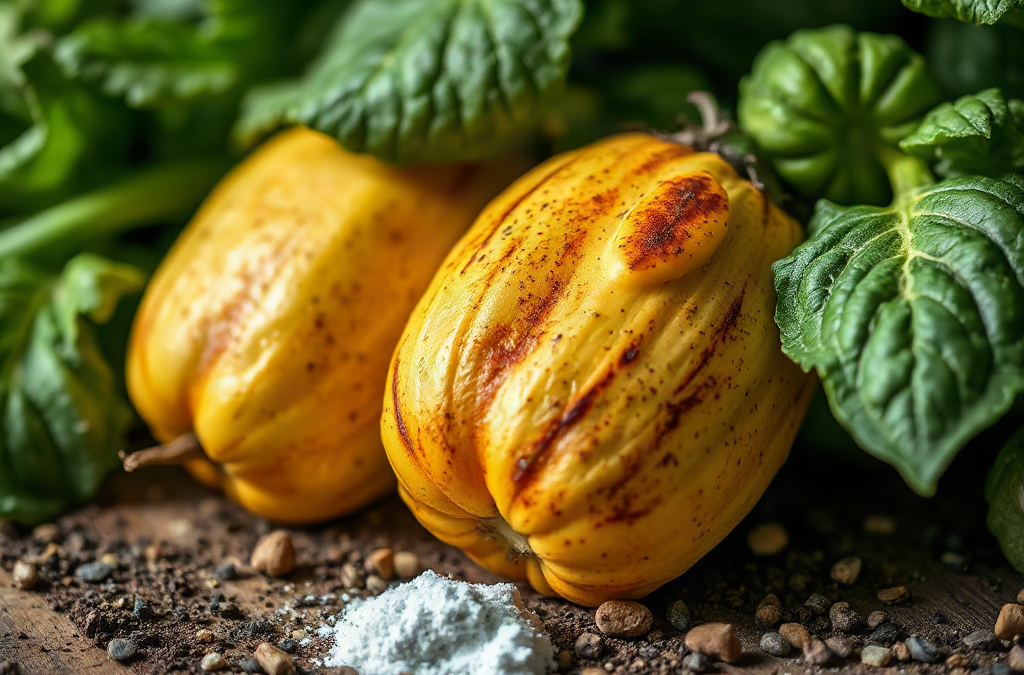
Handle fungal infections in vegetables by confirming the symptoms, removing affected plant tissue, correcting moisture and airflow problems, and using only a labeled fungicide when appropriate. Powdery mildew appears as a dusty coating, while leaf spots, blights, and rots often create expanding brown lesions, yellowing, or soft decay. Prune or harvest diseased material during dry weather, disinfect tools, avoid overhead irrigation, and keep foliage from touching the soil. Severely infected plants may need removal because sprays usually protect healthy tissue rather than restore damaged leaves. Check the crop label and harvest interval before applying any treatment, especially on edible produce.
Identify The Fungal Problem Before Treating
Correct identification determines whether sanitation, a protective spray, or complete plant removal is the sensible response. Fungal and fungus-like diseases can look similar at first, but their patterns differ. Powdery mildew usually forms a pale, flour-like coating on leaf surfaces. Downy mildew tends to produce yellow or pale areas above the leaf with fuzzy growth underneath during humid conditions. Leaf spot diseases create discrete brown, gray, or black lesions, while blights can spread rapidly across leaves, stems, and fruit.
Inspect both sides of several leaves, the stems near the soil, and any fruit touching one another. Look for a progression rather than a single mark. A spot that remains dry and localized may call for monitoring, whereas rapidly enlarging lesions, collapsed tissue, or a spreading soft rot deserve immediate action. Water-soaked areas can also indicate bacterial disease, insect injury, or environmental damage, so a white coating alone should not be treated as proof of one specific organism.
A useful comparison is between disease pattern and weather history. Fungal problems often intensify after repeated rain, heavy dew, dense growth, or irrigation that leaves foliage wet overnight. Sunscald, nutrient imbalance, and herbicide injury usually follow a different distribution and may appear without persistent humidity. Photographing symptoms and checking a university extension diagnostic service can be more reliable than choosing a product from a shelf based only on a plant name.
Do not wait for laboratory certainty before removing clearly diseased leaves, but avoid spraying an unidentified problem indiscriminately. Record the crop, affected plant parts, recent weather, irrigation method, and speed of spread. Those details guide the next decision and make the advice in how to handle fungal infections in vegetables more useful for the specific crop.
Remove Infection And Reduce Spread
Sanitation is the first physical control because spores and contaminated plant debris can move to healthy tissue through wind, splashing water, hands, clothing, and tools. Remove leaves with extensive lesions and fruit showing active rot, placing them in a sealed bag rather than carrying them through the bed. If only a small portion of a leaf is affected, cutting below the damaged area may preserve useful foliage; removing half the canopy at once can stress a plant and expose fruit to sun.
Prune when leaves are dry. Use clean, sharp tools and disinfect them between visibly different plants, particularly when moving from a diseased plant to a healthy one. Wash hands after handling infected material, and avoid touching healthy stems while carrying removed foliage. Fallen leaves beneath tomatoes, cucumbers, squash, beans, or other susceptible crops should be collected because old debris can shelter disease organisms until the next favorable period.
Water management reduces new infections more effectively than simply removing symptoms. Direct water to the soil with a drip line, low-flow wand, or careful hand watering rather than spraying the canopy. If overhead watering is unavoidable, apply it early enough for leaves to dry. Space plants according to their mature size, tie sprawling vines off the ground, and remove weeds that trap humid air around the crop.
A common mistake is composting visibly infected material in a small backyard pile and assuming normal decomposition will always destroy every pathogen. Hot, well-managed compost may reduce risk, but a cool or poorly aerated pile may not. When the disease is severe or uncertain, municipal green-waste guidance or sealed disposal is safer. Keep healthy harvests separate from cull piles, and clean harvest containers before reusing them.
- Remove the most heavily infected tissue first.
- Keep tools, hands, and containers from transferring wet debris.
- Improve airflow before adding another spray.
- Recheck new growth after several dry days.
Choose Treatments With Crop Safety In Mind
Fungicides may protect uninfected or newly emerging tissue, but they generally do not restore leaves that are already covered with lesions or mildew. Product choice depends on the crop, disease, application site, and label directions. Copper products, sulfur, horticultural oils, and biological products are not interchangeable, and each has conditions in which it may injure foliage or provide limited control.
Read the entire label before mixing or applying anything to edible plants. Confirm that the crop is listed, the disease is included, the dilution is correct, and the preharvest interval is understood. Never assume that a product suitable for ornamentals is approved for vegetables. Avoid spraying oils or sulfur during conditions that increase burn risk, such as excessive heat, and follow any interval warnings between incompatible products.
Timing separates a protective application from a disappointing one. A spray applied after a leaf is badly infected cannot make the damage disappear. Where the label permits use, treatment is often more useful when disease pressure is beginning, weather favors continued spread, and healthy tissue remains to protect. Repeated applications should follow the stated interval rather than an improvised daily schedule. More product does not mean more control and can increase residue, plant injury, and environmental exposure.
Home remedies deserve caution. Baking soda mixtures, vinegar, bleach, and concentrated soaps can burn leaves or damage soil organisms without reliably controlling the disease. A labeled product used exactly as directed is easier to evaluate than an untested mixture. If the crop is near harvest, removing affected tissue, improving drying conditions, and harvesting sound produce may be preferable to applying a product with a long waiting period.
Organic certification and household preference also affect the decision, but “organic” does not mean harmless or universally effective. Copper can accumulate in soil with repeated use, and plant-based products can still cause phytotoxicity. Use the least disruptive option that fits the diagnosis, crop, and stage of infection. Revisit how to handle fungal infections in vegetables after each application by checking whether fresh leaves remain clean, rather than judging success by old damage.
Prevent Repeat Infections Through Growing Conditions
Prevention depends on reducing the periods when spores can germinate and move across plant surfaces. Moisture on leaves, crowded canopies, poor air circulation, and infected residue create a favorable chain of events. You cannot control rain, but you can shorten leaf-wetness periods and reduce contact between susceptible tissue.
Plant in a location with adequate sunlight for the crop and enough room for mature foliage. Prune selectively when the variety tolerates it, but do not strip leaves merely to create an open appearance; excessive pruning can expose fruit and weaken the plant. Mulch can limit soil splash onto lower leaves, while trellising keeps vines elevated. Rotate related crops when practical, especially after recurring soil-associated problems, although rotation will not solve every airborne mildew or blight.
Choose resistant or tolerant varieties when seed catalogs and local extension recommendations identify them. Resistance is not immunity: a resistant cucumber may still develop disease under prolonged stress or intense pressure. Start with healthy transplants, inspect purchased plants for spots and mildew, and avoid saving seed from fruit or plants affected by an uncertain disease.
Fertilization also affects vulnerability. Excess nitrogen can produce lush, crowded growth that dries slowly, while drought stress can weaken a plant before a humid period. Aim for steady irrigation and soil fertility rather than alternating between saturation and severe dryness. In a small bed, moving a susceptible crop away from a wall, fence, or dense hedge may improve airflow more than adding another treatment.
Check the crop twice weekly during wet weather. Early warning signs include fresh spots on new leaves, a coating appearing on lower foliage, or lesions concentrated where leaves touch. A prevention plan is working when new growth stays clean and foliage dries promptly after watering. It is failing when symptoms continue appearing on newly expanded leaves despite sanitation, which suggests the diagnosis, weather exposure, or treatment timing needs reconsideration.
Decide When To Save Or Remove A Plant
Plant removal is justified when infection is advancing faster than the plant can produce healthy growth, the main stem is girdled, or most leaves and fruit are affected. Saving a mildly affected plant is more reasonable when the growing point remains healthy, new leaves are emerging cleanly, and the crop still has time to produce. The decision should consider disease speed, plant value, weather, and the risk posed to nearby crops.
For example, a tomato with a few lower leaf spots may continue producing if damaged leaves are removed, soil splash is reduced, and the canopy remains mostly functional. A cucumber covered with powdery mildew late in the season may be worth monitoring after sanitation, while a young squash with rapidly collapsing leaves may spread spores through a crowded bed before it has a realistic chance to recover. Removing one plant can protect the remaining crop, but it also sacrifices potential yield.
Harvest sound vegetables promptly and discard produce with active soft rot, extensive mold, or questionable tissue. Do not cut away a small visible patch and assume a soft, watery vegetable is safe throughout; spoilage can extend beyond what is visible. Keep harvested produce dry, cool, and gently handled, since bruises create additional entry points for decay organisms.
After the season, remove diseased residue, clean supports, and note which varieties and bed locations were affected. Next season, change the condition that supported the outbreak: use wider spacing, earlier watering, a different crop location, resistant seed, or improved trellising. The best next step is not always a stronger chemical; it may be removing a recurring source of inoculum or avoiding a susceptible crop during a predictably wet period.
Frequently Asked Questions
Should infected leaves be removed immediately?
Remove heavily infected leaves during dry weather, especially when they are touching healthy foliage. Avoid stripping so much canopy that the plant becomes stressed or fruit is exposed abruptly.
Can fungal infections be washed off vegetables?
Washing can remove surface dirt and some loose material, but it does not make moldy or soft-rotting produce sound. Discard vegetables with extensive decay or uncertain internal spoilage.
Does baking soda cure powdery mildew?
Baking soda mixtures may have limited protective value in some situations, but they are not a dependable cure and can burn foliage. A labeled product and improved airflow are safer decisions.
Is overhead watering responsible for every fungal disease?
No. Rain, soil residue, infected seed, and airborne spores can also introduce disease. Overhead watering mainly increases the duration of leaf wetness and can spread some pathogens by splashing.
When should a diseased vegetable plant be removed?
Remove it when the infection is rapidly advancing, the main stem is affected, most foliage has collapsed, or nearby plants face a substantial spread risk. Mild lower-leaf symptoms may be manageable.
Conclusion
Successful disease management begins with observation rather than a reflexive spray. Identify the symptom pattern, remove active sources of spores, keep foliage dry, and improve spacing and airflow before judging whether a treatment is needed. Use only products labeled for the specific edible crop, and treat sprays as protection for healthy tissue rather than a way to rebuild damaged leaves. Save plants that still produce clean new growth, but remove those that are collapsing or threatening the rest of the bed. At season’s end, clear residue and record the weather, variety, and location associated with the outbreak. That record can guide a more effective choice of resistant seed, irrigation method, planting distance, and crop placement next season.
Further Reading
Authoritative Sources
- CDC Nutrition
cdc.govOfficial public-health nutrition guidance and data.
- USDA FoodData Central
fdc.nal.usda.govOfficial food composition and nutrient data.
- MedlinePlus Health Information
medlineplus.govConsumer health information from the U.S. National Library of Medicine.
- NIH Office of Dietary Supplements
ods.od.nih.govEvidence-based fact sheets about vitamins, minerals, supplements, and nutrition.


