
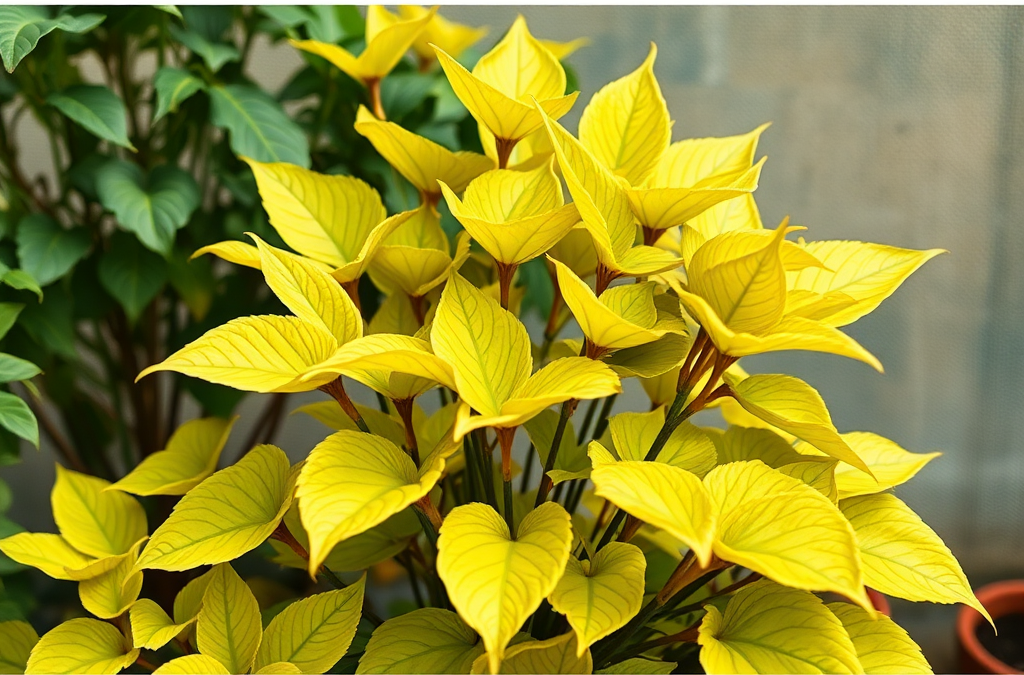
To troubleshoot yellowing leaves on plants, start by examining potential causes like nutrient deficiencies, overwatering, or pest infestations. Nutrient shortages, especially of nitrogen or iron, can lead to chlorosis, while excessive watering may result in root rot, hindering nutrient absorption. It's essential to adjust your care routine based on observed symptoms; for instance, if yellowing is accompanied by wilting, reduce watering. Additionally, inspect for pests, as they can damage foliage and contribute to discoloration. Taking these steps can help restore your plant's health and vibrancy.
Understanding Yellowing Leaves
Yellowing leaves on plants, often referred to as chlorosis, can indicate various underlying problems affecting plant health. This condition occurs when chlorophyll production is hindered, which is essential for photosynthesis. Understanding why leaves turn yellow is crucial for maintaining plant vitality, as it allows for timely intervention to prevent further decline.
Common Causes of Yellowing Leaves
Several factors can lead to yellowing leaves, with the most common being nutrient deficiencies, overwatering, and pest infestations. Nutrient deficiencies, particularly nitrogen, iron, and magnesium, can cause leaves to lose their green color. Overwatering can lead to root rot, affecting nutrient uptake and causing yellowing. Pests such as aphids or spider mites can also damage leaves, leading to discoloration.
One common misconception is that yellow leaves always indicate a lack of nutrients. However, environmental factors such as poor drainage or compacted soil can also contribute to yellowing. Understanding these causes helps in diagnosing the issue accurately and implementing effective solutions.
Identifying Symptoms
To troubleshoot yellowing leaves effectively, it is essential to identify accompanying symptoms. Look for signs such as wilting, leaf spots, or a change in leaf texture. Wilting often indicates overwatering or underwatering, while leaf spots may hint at fungal infections or pest damage. Observing these symptoms can guide you in determining the appropriate action.
For example, if yellowing occurs alongside wilting, it may suggest overwatering, whereas yellowing with dark spots could indicate a fungal issue. Keeping a close eye on your plants and noting these symptoms will aid in addressing the problem before it escalates.
Practical Solutions and Adjustments
Once the cause of yellowing leaves has been identified, practical solutions can be implemented. For nutrient deficiencies, consider applying a balanced fertilizer that includes the necessary micronutrients. If overwatering is the issue, adjust your watering schedule and ensure proper drainage to prevent root rot. For pest management, inspect plants regularly and apply appropriate treatments such as insecticidal soap or neem oil.
It’s also beneficial to enhance soil quality by incorporating organic matter, which can improve nutrient availability and drainage. Regularly checking the moisture level of the soil can help prevent both overwatering and underwatering, ensuring that plants receive the care they need.
Frequently Asked Questions
What does it mean when plant leaves turn yellow?
Yellowing leaves typically indicate issues such as nutrient deficiencies, overwatering, or pest infestations affecting the plant's health.
How can I fix yellowing leaves on my indoor plants?
To fix yellowing leaves on indoor plants, check for proper watering, ensure adequate light, and consider fertilizing with a balanced nutrient mix.
Is yellowing in plants always a sign of a problem?
No, yellowing can also occur naturally in older leaves as they age, but if it affects new growth, it may signify a problem.
What nutrients are most commonly associated with yellowing leaves?
Nitrogen, iron, and magnesium deficiencies are commonly associated with yellowing leaves, impacting chlorophyll production.
Can overwatering cause yellowing leaves?
Yes, overwatering can lead to root rot, which prevents nutrient uptake and results in yellowing leaves.
Conclusion
Addressing yellowing leaves on plants requires a keen understanding of the underlying causes and symptoms. By monitoring your plants regularly and making necessary adjustments in care, such as improving watering practices and providing adequate nutrition, you can effectively restore plant health. Prioritizing these actions will not only enhance the vitality of your plants but also improve their overall appearance.


