
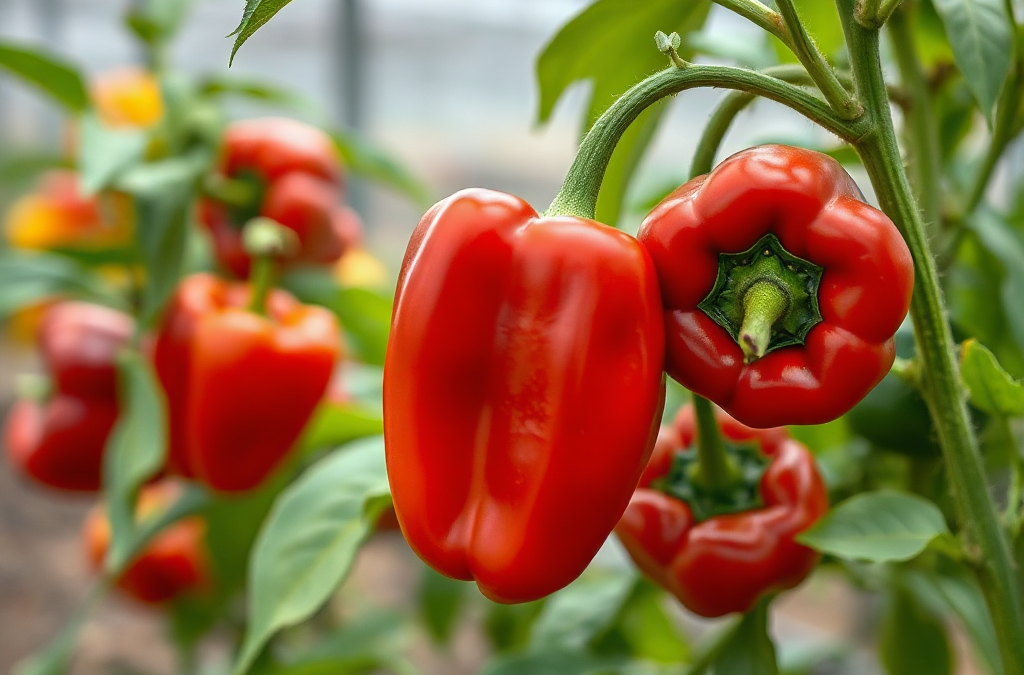
Peppers may not set fruit due to several factors, including extreme temperatures, insufficient pollination, and nutrient deficiencies. High daytime temperatures above 90°F can cause flowers to drop, while low humidity can hinder pollination despite peppers being self-pollinating. To improve fruit set, ensure consistent watering, provide shade during heat waves, and promote pollinator activity by planting companion flowers nearby. Additionally, check soil nutrients to support healthy plant growth and flower development.
Understanding Flower Development in Peppers
To comprehend why your peppers aren’t setting fruit, it’s essential to first understand the flower development process in these plants. Peppers produce both male and female flowers, and successful fruit set requires proper pollination of the female flowers. If flowers are not adequately pollinated, they will drop off without producing fruit. This can happen due to various factors, including environmental conditions and the activity of pollinators.
Many gardeners overlook the fact that peppers are self-pollinating; however, they still benefit from wind or insect activity to aid in the process. Increased humidity can also enhance the chances of successful pollination by helping the pollen grains adhere to the stigma of the flower. A lack of these conditions can lead to a poor fruit set, which may frustrate gardeners hoping to harvest a bountiful crop.
Environmental Factors Affecting Fruit Set
Several environmental factors can significantly influence whether your pepper plants will set fruit. Temperature extremes are a major concern; peppers thrive in warm conditions, but if daytime temperatures consistently exceed 90°F (32°C) or nighttime temperatures remain above 70°F (21°C), flower development can be adversely affected. High temperatures can lead to flower drop, preventing fruit from forming. Conversely, cooler temperatures can slow down growth and affect the overall health of the plant.
Watering practices also play a crucial role. Both overwatering and underwatering can stress the plant, leading to flower drop and poor fruit development. Ensuring consistent moisture levels is vital for healthy growth. Additionally, providing some shade during extreme heat can help maintain optimal temperatures for flower development.
Pollination and Its Role in Fruit Development
As mentioned earlier, pollination is critical for fruit set in peppers. While peppers can self-pollinate, the presence of pollinators, such as bees, can enhance the likelihood of successful fruiting. If your garden lacks pollinator activity, consider attracting them by planting companion flowers nearby or by hand-pollinating your plants. Hand-pollination can be done simply by gently shaking the flowers or using a small brush to transfer pollen from the male to the female flowers.
Humidity levels also affect pollination success. Low humidity can cause pollen to dry out and become ineffective. Maintaining adequate humidity around your pepper plants can improve the chances of successful pollination and, in turn, fruit set. If you notice flower drop, assess the pollination conditions in your garden and take action to enhance them.
Nutrient Requirements for Healthy Peppers
Peppers require specific nutrients to grow and produce fruit effectively. A balanced fertilizer that includes nitrogen, phosphorus, and potassium is crucial for overall plant health. Nitrogen promotes lush foliage, while phosphorus is essential for flower and root development, and potassium supports fruit quality and resistance to disease.
However, an excess of nitrogen can lead to excessive leafy growth at the expense of flowers, which can hinder fruit set. Therefore, it’s essential to monitor nutrient levels and adjust your fertilizer application accordingly. Conducting a soil test can provide valuable insights into nutrient deficiencies or imbalances that might be affecting your pepper plants.
Frequently Asked Questions
What causes pepper flowers to drop?
Flower drop in peppers can result from high temperatures, low humidity, or insufficient pollination.
How can I improve pollination for my peppers?
To enhance pollination, attract bees by planting companion flowers and consider hand-pollinating the flowers.
What temperature is too high for pepper plants?
Temperatures consistently above 90°F (32°C) during the day can hinder flower development and lead to flower drop.
How often should I water my pepper plants?
Maintain consistent moisture in the soil; water when the top inch feels dry, ensuring not to overwater.
What nutrients do peppers need for fruit development?
Peppers require a balanced fertilizer with nitrogen, phosphorus, and potassium for optimal growth and fruit set.
Conclusion
Ensuring your peppers set fruit involves managing environmental factors, understanding pollination, and providing the right nutrients. By addressing temperature extremes, enhancing pollination conditions, and maintaining proper nutrient levels, you can significantly improve your chances of a fruitful harvest. Monitor your plants closely and make adjustments as needed to support their growth and fruiting potential.


