
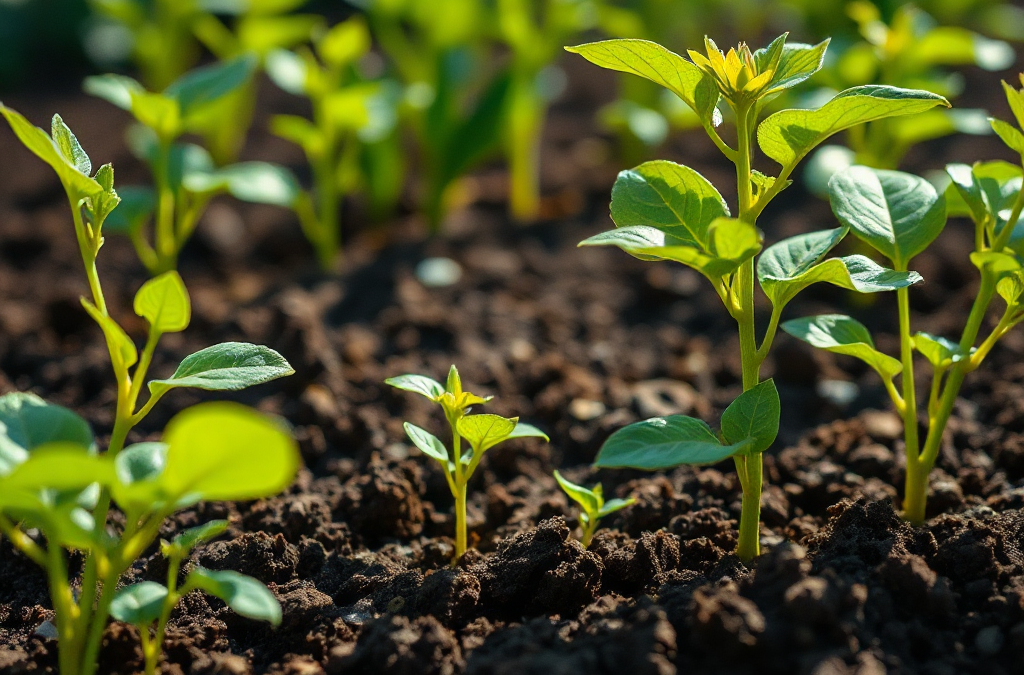
The impact of soil pH on plant health is significant, as it directly influences nutrient availability and microbial activity in the soil. A pH level that is too high or too low can lead to nutrient deficiencies or toxicities, affecting plant growth and yield. For optimal health, most plants thrive in a slightly acidic to neutral pH range (6.0 to 7.0), where essential nutrients are most available. Regular soil testing and amendments can help maintain the ideal pH for healthy plants.
Understanding Soil pH and Its Importance
Soil pH is a measure of the acidity or alkalinity of the soil, which plays a vital role in plant health. The pH scale ranges from 0 to 14, with 7 being neutral. A pH below 7 indicates acidity, while a pH above 7 indicates alkalinity. Understanding soil pH is crucial for gardeners and farmers, as it affects not only the chemical properties of the soil but also the biological activity within it.
Plants have specific pH preferences, and deviations from these can impact their growth. For instance, most garden vegetables prefer a slightly acidic pH of around 6.0 to 6.8, while some crops, like asparagus, thrive in more alkaline conditions. Thus, knowing the pH level helps in selecting the right crops for your soil type.
How Soil pH Affects Nutrient Availability
The relationship between soil pH and nutrient availability is complex. At different pH levels, various nutrients become more or less accessible to plants. For example, in acidic soils (pH 7), elements like iron, manganese, and zinc can become deficient, leading to similar growth issues.
Moreover, soil pH affects microbial activity, which is crucial for breaking down organic matter and releasing nutrients into the soil. Beneficial bacteria and fungi thrive in neutral to slightly acidic conditions, enhancing nutrient cycling. Therefore, maintaining an optimal pH not only supports plant health but also promotes a vibrant soil ecosystem.
Testing and Adjusting Soil pH
Regular soil testing is the best way to determine the pH of your soil. Soil test kits are widely available at garden centers or through agricultural extensions. The process typically involves collecting soil samples from different areas of your garden and mixing them with water to create a slurry, which is then tested using pH strips or meters.
If your soil pH is outside the ideal range for your plants, there are several methods to adjust it. To increase acidity, you can add sulfur or organic matter like peat moss. For alkaline soils, incorporating lime can help lower the pH. It’s essential to make gradual adjustments and retest the soil periodically, as drastic changes can shock your plants and disrupt the soil ecosystem.
Common Myths About Soil pH
Several misconceptions about soil pH can lead to poor gardening practices. One common myth is that all plants prefer neutral soil. In reality, different plants thrive at different pH levels, and understanding these preferences is key to successful gardening. Another myth is that once soil pH is adjusted, it remains stable indefinitely. In fact, pH can fluctuate due to factors such as rainfall, fertilizer use, and organic matter decomposition, necessitating regular monitoring.
Additionally, some gardeners believe that adding more fertilizer can compensate for low nutrient availability due to improper pH. However, without addressing the pH issue, excess fertilizers can lead to nutrient runoff and soil degradation. Thus, effective soil management begins with understanding and maintaining the proper pH balance.
Frequently Asked Questions
What is the ideal soil pH for most plants?
The ideal soil pH for most plants ranges from 6.0 to 7.0, where nutrients are most available.
How often should I test my soil pH?
It is recommended to test your soil pH at least once a year or before planting new crops.
Can I use vinegar to lower soil pH?
Vinegar can temporarily lower soil pH, but it is not a sustainable solution for long-term soil management.
What are the signs of nutrient deficiency due to pH imbalance?
Signs include yellowing leaves, stunted growth, and poor fruit or flower development.
How can I raise soil pH if it is too low?
You can raise soil pH by adding lime or wood ash, which helps neutralize acidity.
Conclusion
Understanding the impact of soil pH on plant health is crucial for successful gardening and agriculture. Maintaining the right pH level ensures that nutrients are available for plant uptake, promotes beneficial microbial activity, and reduces the risk of nutrient deficiencies or toxicities. Regular soil testing and appropriate amendments can help you achieve optimal pH levels tailored to the needs of your plants. Prioritizing soil health not only supports plant growth but also contributes to a sustainable gardening practice.


