
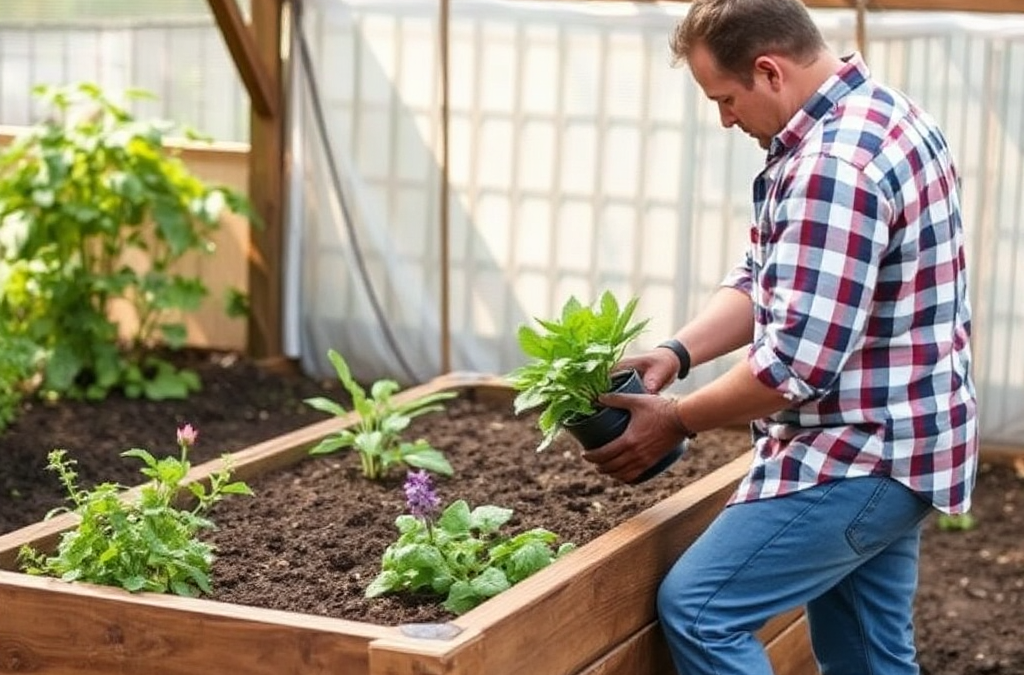
To create a raised bed for better yields, choose a suitable location, select the right materials, and fill the bed with high-quality soil. Start by measuring and marking the area, then construct the frame using rot-resistant wood or stones. All in all, fill the bed with a mix of compost and topsoil to promote healthy plant growth. This method enhances drainage, reduces weeds, and improves soil quality, leading to increased productivity in your garden.
Choosing the Right Location
Choosing the right location for your raised bed is crucial for maximizing yields. Select a spot that receives at least 6 to 8 hours of sunlight daily, as most vegetables and flowers thrive in bright conditions. Additionally, ensure that the area has good drainage to prevent waterlogging, which can lead to root rot. Consider proximity to a water source for easy irrigation and avoid low-lying areas where cold air can settle.
Common mistakes include placing the bed in shaded areas or locations prone to flooding. For instance, if your yard has large trees nearby, their shade can significantly reduce plant growth. By carefully evaluating your garden’s microclimate, you can optimize conditions for your plants.
Selecting Materials for Your Raised Bed
The materials you choose for constructing your raised bed affect both its durability and the quality of the soil inside. Common options include untreated wood, bricks, stones, or composite materials. Untreated wood, such as cedar or redwood, is a popular choice due to its natural resistance to decay, while composite materials offer longevity without leaching chemicals into the soil.
When building the frame, avoid using treated lumber, as the chemicals can leach into the soil and harm plants. If using stones or bricks, ensure they are stable and safe for planting. For example, a wooden frame measuring 4 feet by 8 feet and 12 inches high is a practical size that allows easy access for planting and maintenance.
Filling the Raised Bed with Soil
Filling your raised bed with the right soil mix is essential for plant health and productivity. A blend of high-quality topsoil, compost, and organic matter works best. Aim for a ratio of 60% topsoil, 30% compost, and 10% other organic materials like peat moss or coconut coir to improve moisture retention and aeration.
Be cautious of filling the bed with poor-quality soil, as it can lead to nutrient deficiencies and poor drainage. For instance, using heavy clay soil can compact easily and hinder root growth. Regularly testing your soil’s pH and nutrient levels can help maintain optimum growing conditions.
Planting Strategies for Maximum Yield
Once your raised bed is filled with quality soil, implementing effective planting strategies can significantly enhance yields. Consider companion planting, which involves growing compatible plants together to improve growth and deter pests. For instance, planting basil alongside tomatoes can enhance flavor and repel harmful insects.
Additionally, practice crop rotation each season to prevent soil depletion and disease buildup. Succession planting, where you stagger plantings of quick-growing crops, can also maximize space and yield. For example, after harvesting early spring crops like radishes, replant the space with summer crops like beans or cucumbers.
Frequently Asked Questions
What is the ideal height for a raised bed?
The ideal height for a raised bed is typically between 12 to 24 inches, allowing for good root development while being easily accessible for maintenance.
Can I use any type of wood for my raised bed?
It is best to use untreated wood like cedar or redwood, as treated wood may leach harmful chemicals into the soil.
How often should I water my raised bed?
Watering frequency depends on the weather and soil type, but generally, raised beds require consistent moisture, so check the soil regularly and water when the top inch is dry.
What types of plants grow best in raised beds?
Many vegetables, herbs, and flowers thrive in raised beds, including tomatoes, peppers, lettuce, and herbs like basil and cilantro.
How can I prevent pests in my raised bed?
Implement pest control strategies such as companion planting, using row covers, and encouraging beneficial insects to keep pests at bay.
Conclusion
Creating a raised bed for better yields involves careful planning and execution, from selecting the right location and materials to implementing effective planting strategies. By prioritizing quality soil and understanding plant compatibility, you can significantly enhance your garden’s productivity. Take the time to evaluate your garden’s conditions and experiment with different crops to discover what works best for your specific environment.


