
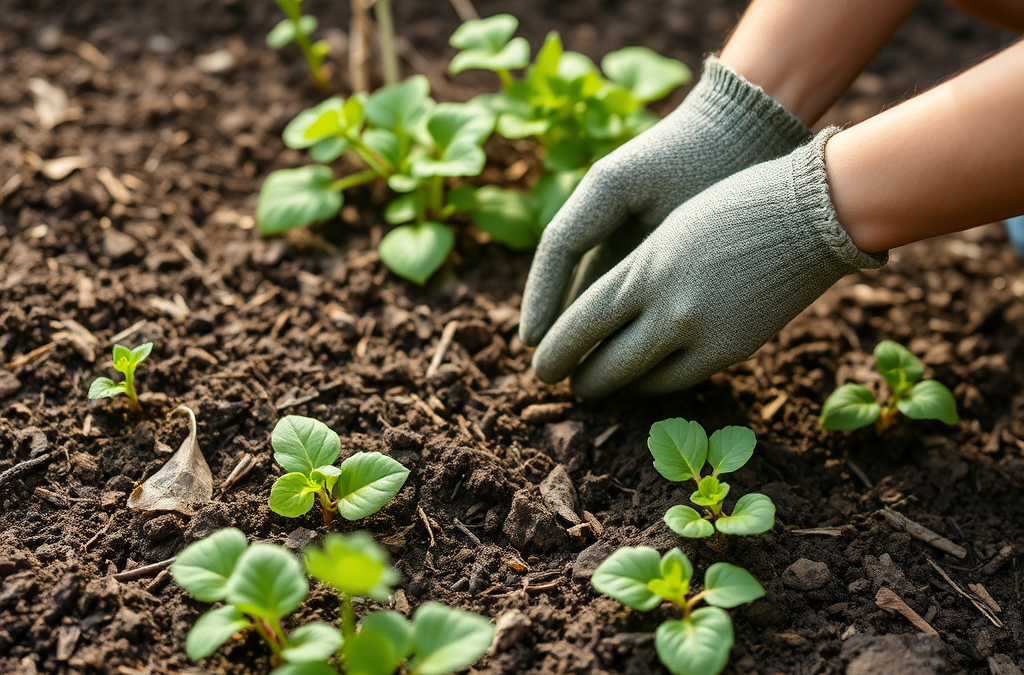
To extend your growing season effectively, consider using row covers, selecting cold-tolerant crops, and utilizing greenhouses or cold frames. These strategies not only protect plants from frost but also enhance their growth conditions by optimizing sunlight exposure. For instance, planting fast-growing varieties like radishes and lettuce can yield quicker harvests, allowing you to maximize your garden's productivity. Additionally, it's vital to be aware of your local climate's variability, as late frosts can damage tender plants. By implementing these techniques, you can enjoy fresh produce for an extended period each year.
Understanding Season Extension Techniques
Season extension techniques are critical for maximizing the growing potential of your garden, allowing you to cultivate crops beyond the traditional growing season. These methods range from simple practices, like using cloches to protect young plants from frost, to more advanced systems, such as greenhouses that provide a controlled environment. By understanding the principles behind these techniques, you can make informed decisions about how to best apply them in your gardening efforts.
One common mistake gardeners make is underestimating their local climate’s variability. For example, late frosts can catch many off guard, damaging tender plants. By preparing for these fluctuations through season extension methods, you can safeguard your crops and enhance your garden’s resilience. It’s essential to evaluate your specific climate conditions and plan accordingly, as this will help you choose the most effective methods for extending your growing season.
Choosing the Right Plants for Extended Seasons
Selecting the appropriate plants is fundamental when considering ways to extend your growing season effectively. Cold-tolerant crops, such as kale, spinach, and certain varieties of carrots, thrive in cooler temperatures and can often be planted earlier in the spring or late in the fall. Understanding the hardiness zones and specific varieties suited to your region can significantly impact your garden’s success.
Additionally, incorporating fast-growing crops into your planting schedule can help you maximize your harvest. For instance, radishes and lettuce can be grown quickly, allowing for multiple harvests in a single season. However, it’s crucial to avoid overcrowding your garden beds, as this can lead to competition for sunlight and nutrients, ultimately reducing the health and yield of your plants.
Utilizing Greenhouses and Cold Frames
Greenhouses and cold frames are excellent tools for extending your growing season, providing a controlled environment that protects plants from harsh weather conditions. A greenhouse allows for year-round gardening by trapping heat and light, while cold frames serve as mini-greenhouses that can be used to start seedlings earlier or protect crops from late frosts.
When choosing between a greenhouse and a cold frame, consider your gardening goals and budget. Greenhouses can be a larger investment but offer more extensive growing capabilities. Cold frames, on the other hand, are more affordable and can be constructed from repurposed materials, making them accessible for many gardeners. Regardless of your choice, both options provide a significant advantage in maintaining optimal growing conditions and extending the harvest period.
Implementing Row Covers and Mulches
Row covers and mulches are effective strategies for protecting crops and optimizing soil conditions, both essential for extending your growing season. Row covers act as a barrier against frost and pests while allowing sunlight and moisture to penetrate. They can be particularly useful in the spring and fall when temperatures can fluctuate dramatically.
Mulching, on the other hand, helps regulate soil temperature, retain moisture, and suppress weeds. Organic mulches, such as straw or wood chips, can improve soil health over time as they break down. However, it’s important to monitor your plants closely under row covers, as excessive heat can build up beneath them, potentially harming your crops. Balancing protection with proper ventilation is key to successful season extension.
Frequently Asked Questions
What are the best crops to grow for an extended season?
Cold-tolerant crops like kale, spinach, and radishes are ideal for extending the growing season, as they can thrive in cooler temperatures.
How do row covers help in extending the growing season?
Row covers protect plants from frost and pests while allowing sunlight and moisture to reach them, helping to extend the growing season.
What is the role of mulching in gardening?
Mulching helps retain soil moisture, regulate temperature, and suppress weeds, contributing to healthier plants and an extended growing season.
How can a greenhouse benefit my gardening efforts?
A greenhouse provides a controlled environment that traps heat and light, allowing for year-round gardening and protection from harsh weather.
What mistakes should I avoid when extending my growing season?
Avoid overcrowding your garden beds, as this can lead to competition for resources, and be cautious of temperature fluctuations under row covers.


