
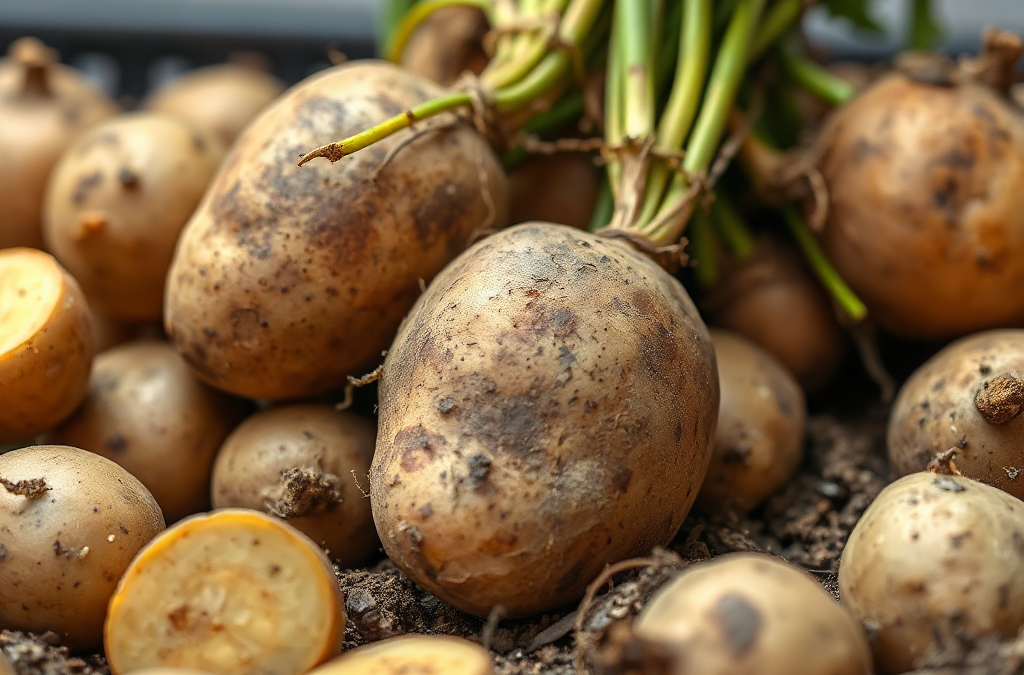
Potatoes may fail to form tubers due to inadequate sunlight, improper watering, or nutrient deficiencies. Insufficient sunlight can hinder photosynthesis, while over or under-watering can affect root development. Nutrient imbalance, particularly a lack of phosphorus or potassium, can also prevent tuber formation. Address these issues by ensuring proper exposure to sunlight, maintaining consistent soil moisture, and providing a balanced fertilizer to encourage healthy tuber growth.
Understanding Tuber Formation
Tuber formation is a crucial process in potato cultivation, where the plant develops underground storage organs known as tubers. These tubers are essential for the plant’s reproductive cycle and provide the energy needed for growth. Understanding the mechanisms behind tuber formation helps gardeners identify potential issues that may arise during cultivation. Factors such as light exposure, soil conditions, and plant health significantly influence the success of tuber development.
When potatoes receive adequate sunlight and nutrients, they can effectively convert energy into carbohydrates, which are stored in the tubers. However, if the plant is stressed due to environmental factors, such as drought or excessive moisture, it may prioritize survival over tuber production. This prioritization can result in fewer or smaller tubers, impacting the overall yield.
Environmental Factors Affecting Tuber Growth
Environmental conditions play a significant role in the ability of potatoes to form tubers. Key factors include sunlight exposure, temperature, and soil moisture. Potatoes require full sun for optimal growth, typically needing at least 6-8 hours of direct sunlight daily. Insufficient sunlight can lead to weak plants that struggle to produce tubers.
Temperature is another critical factor. Potatoes thrive in cooler climates, ideally between 60°F to 70°F (15°C to 21°C). Extreme heat can cause plants to focus on foliage growth rather than tuber development. Conversely, if temperatures drop too low, tuber formation may be stunted. Additionally, maintaining consistent soil moisture is vital. Both overwatering and underwatering can stress the plant, leading to poor tuber formation.
Nutritional Needs of Potatoes
Nutrient availability in the soil is essential for healthy potato growth and tuber formation. Potatoes require a balanced supply of nutrients, particularly nitrogen, phosphorus, and potassium. Nitrogen supports foliage growth, while phosphorus is crucial for root development and tuber initiation. Potassium helps regulate water uptake and improves overall plant health.
A common mistake among gardeners is over-fertilizing with nitrogen, which can lead to excessive leaf growth at the expense of tuber development. To encourage healthy tuber formation, it is essential to provide a balanced fertilizer that meets the specific needs of potatoes. Conducting a soil test can help determine nutrient levels and guide appropriate fertilization.
Common Mistakes to Avoid
Several common mistakes can hinder tuber formation in potatoes. One major mistake is neglecting to monitor soil moisture levels. Both drought stress and waterlogged conditions can negatively impact tuber growth. Gardeners should strive to keep the soil consistently moist but not saturated.
Another common error is planting too early in cold soil, which can delay sprouting and tuber development. It is crucial to wait until the soil temperature reaches at least 50°F (10°C) before planting. Additionally, failing to provide sufficient spacing between plants can lead to competition for resources, resulting in smaller tubers.
Lastly, ignoring pest and disease management can lead to weakened plants that struggle to produce tubers. Regularly inspecting plants for signs of pests or diseases and taking appropriate action can help ensure healthy growth and tuber development.
Frequently Asked Questions
What causes potatoes to not form tubers?
Potatoes may fail to form tubers due to insufficient sunlight, improper watering, or nutrient deficiencies, particularly in phosphorus and potassium.
How much sunlight do potatoes need?
Potatoes require at least 6-8 hours of direct sunlight daily for optimal growth and tuber formation.
What is the ideal temperature for growing potatoes?
Potatoes thrive in cooler temperatures, ideally between 60°F to 70°F (15°C to 21°C) for optimal tuber development.
How can I improve potato tuber formation?
To improve tuber formation, ensure adequate sunlight, maintain consistent soil moisture, and provide balanced fertilization focused on phosphorus and potassium.
What common mistakes should I avoid when growing potatoes?
Avoid overwatering, planting too early, insufficient spacing, and neglecting pest management to promote better tuber growth.
Conclusion
Understanding the factors that affect tuber formation is essential for successful potato cultivation. By monitoring environmental conditions, ensuring proper nutrition, and avoiding common mistakes, gardeners can enhance tuber development. Focus on providing adequate sunlight, consistent moisture, and balanced fertilization to achieve a bountiful harvest. Regularly check for pests and diseases to maintain plant health and maximize yield.


