
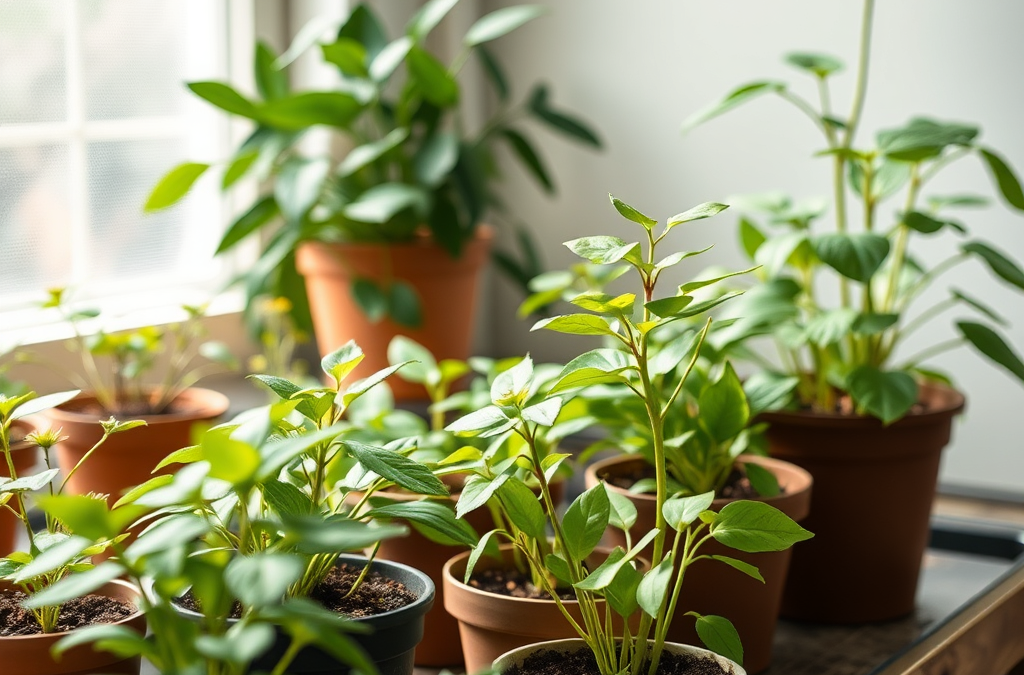
Improving airflow around your plants is essential for preventing diseases and promoting healthy growth. To achieve this, ensure proper spacing between plants, utilize trellises or stakes for vertical growth, and regularly prune foliage to reduce density. Additionally, consider using fans in indoor settings and adjusting your garden layout to enhance natural wind flow. By implementing these strategies, you can significantly enhance the health and productivity of your plants.
Understanding the Importance of Airflow for Plants
Airflow is crucial for the health of plants as it helps prevent the buildup of moisture that can lead to fungal diseases and pest infestations. Good airflow aids in transpiration, which is the process by which plants lose water vapor through their leaves, allowing for nutrient uptake and maintaining optimal temperature conditions. When airflow is restricted, plants may experience stress, leading to stunted growth and increased susceptibility to diseases.
In gardens, particularly in densely planted areas, airflow can be compromised. This can create microclimates that favor the development of mold and mildew. Thus, understanding how to improve airflow around your plants is essential for maintaining their health and productivity.
Techniques to Enhance Airflow
One effective way to improve airflow around your plants is to ensure proper spacing. When planting, consider the mature size of each plant and leave adequate space between them. This allows air to circulate freely and reduces the chances of disease. For example, when planting tomatoes or peppers, aim for a spacing of 18 to 24 inches apart to facilitate airflow.
Another technique is to utilize vertical gardening methods. By growing plants upward using trellises or stakes, you can create more space at the ground level, enhancing airflow. This is particularly beneficial for vining plants like cucumbers or beans, which naturally climb and can be trained to grow vertically.
Regular pruning is also vital for maintaining airflow. Removing excess foliage can help reduce density, allowing air to circulate more effectively. Focus on trimming any dead or overcrowded branches and leaves, especially in the center of the plant, where airflow is often restricted.
Common Mistakes to Avoid
One of the most common mistakes gardeners make is planting too closely together. This not only restricts airflow but also competes for nutrients and water, leading to weaker plants. Always refer to planting guidelines specific to each plant variety to ensure proper spacing.
Another mistake is neglecting to monitor the plant’s environment. For indoor plants, using fans can significantly improve airflow. Many gardeners overlook the importance of air movement indoors, which can lead to stagnant air and increased humidity levels.
To wrap up, failing to regularly prune plants can lead to overcrowding. Dense foliage not only limits airflow but can also trap moisture, creating an environment conducive to diseases. Make pruning a regular part of your plant care routine.
Utilizing Tools and Technology
In addition to manual techniques, various tools and technologies can aid in improving airflow. For instance, using oscillating fans in indoor gardens can enhance air circulation, reducing humidity and preventing mold growth. These fans should be positioned to create a gentle breeze without directly blasting the plants, which can cause stress.
For outdoor gardens, consider windbreaks or strategically placed fencing to direct airflow without blocking it entirely. This can help manage strong winds while still allowing for adequate ventilation. Additionally, using raised beds can improve drainage and airflow to the roots, further supporting plant health.
Frequently Asked Questions
Why is airflow important for plants?
Airflow helps prevent diseases by reducing humidity and promoting transpiration, which is crucial for nutrient uptake and temperature regulation.
What are the best spacing practices for plants?
Space plants according to their mature size; generally, 18 to 24 inches apart is ideal for many vegetable varieties to ensure adequate airflow.
How often should I prune my plants for better airflow?
Regular pruning should be done as needed, focusing on removing overcrowded or dead foliage to maintain good airflow throughout the growing season.
Can indoor plants benefit from airflow improvements?
Yes, using fans can significantly enhance airflow around indoor plants, helping to reduce humidity and prevent mold growth.
What tools supports airflow in my garden?
Tools such as oscillating fans, trellises, and raised beds can help enhance airflow and improve overall plant health.
Conclusion
Improving airflow around your plants is a vital aspect of gardening that directly impacts their health and productivity. By ensuring proper spacing, utilizing vertical growth techniques, and maintaining regular pruning, you can create an environment that supports vibrant plant life. Additionally, leveraging tools like fans and raised beds can further enhance airflow, making your gardening efforts more successful. Prioritize these practices to cultivate a thriving garden.
Further Reading
Authoritative Sources
- CDC Nutrition
cdc.govOfficial public-health nutrition guidance and data.
- USDA FoodData Central
fdc.nal.usda.govOfficial food composition and nutrient data.
- MedlinePlus Health Information
medlineplus.govConsumer health information from the U.S. National Library of Medicine.
- NIH Office of Dietary Supplements
ods.od.nih.govEvidence-based fact sheets about vitamins, minerals, supplements, and nutrition.


