
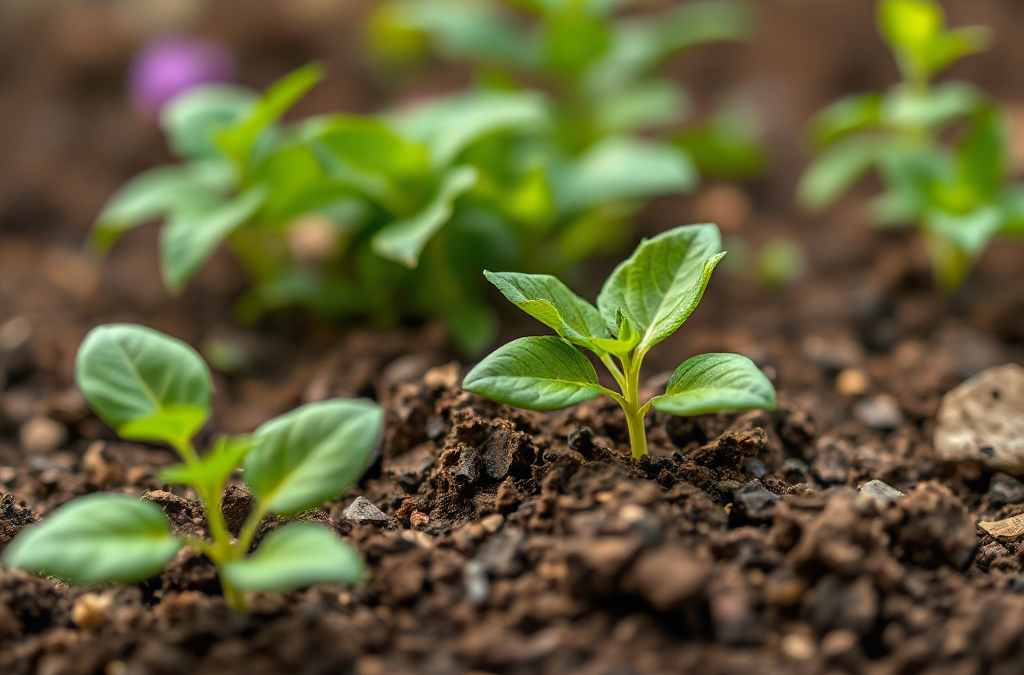
Your garden soil may be too acidic due to factors such as excessive rainfall, the breakdown of organic matter, and the use of certain fertilizers. Acidic soil can hinder plant growth by limiting nutrient availability and affecting microbial activity. To remedy this, you can test your soil pH, add lime to raise pH levels, or incorporate organic materials like compost to improve soil health. Regular testing and adjustments are essential for optimal plant health.
Understanding Soil Acidity
Soil acidity is a critical factor affecting plant growth and health. A soil pH below 6.0 indicates increasing acidity, which can impede nutrient absorption for many plants. Understanding soil acidity is essential for gardeners who wish to maintain healthy, productive gardens. The pH scale ranges from 0 to 14, with 7 being neutral. Values below 7 indicate acidic conditions, while those above 7 signify alkalinity. Acidic soils can lead to nutrient imbalances, making it vital to monitor and manage soil pH for optimal plant health.
In a garden setting, the ideal pH for most plants typically lies between 6.0 and 7.5. Maintaining this range supports healthy microbial activity, which is crucial for nutrient cycling. When soil becomes too acidic, it can lead to detrimental effects on both plant health and soil structure, affecting everything from root development to moisture retention.
Causes of Acidic Soil
Several factors contribute to soil becoming too acidic. One primary cause is excessive rainfall, which can leach basic nutrients from the soil, leaving behind more acidic compounds. Additionally, the decomposition of organic matter, such as fallen leaves and plant material, naturally produces organic acids that can further lower pH levels.
Another significant factor is the use of certain fertilizers. Fertilizers high in ammonium can contribute to acidity as they break down in the soil. For instance, urea and ammonium sulfate can release hydrogen ions, which lower soil pH. It’s essential for gardeners to choose fertilizers wisely and consider their long-term effects on soil health.
Lastly, specific soil types, such as sandy soils, tend to be more acidic than clay soils. This is due to their lower cation exchange capacity, which means they cannot retain nutrients as effectively. Understanding these causes can help gardeners take proactive steps to manage soil acidity.
Symptoms of Acidic Soil
Identifying acidic soil is crucial for effective management. Common symptoms include stunted plant growth, yellowing leaves (chlorosis), and poor fruit or flower production. Plants that thrive in neutral to slightly alkaline conditions may exhibit these signs when faced with acidic soil.
Additionally, certain nutrient deficiencies are often linked to acidic soil. For example, plants may struggle to absorb essential nutrients like calcium, magnesium, and potassium in low pH conditions. This can lead to further growth issues and even plant death if not addressed. Observing these symptoms early can help gardeners take corrective action before significant damage occurs.
It’s also beneficial to conduct regular soil tests to monitor pH levels and nutrient availability. Soil testing kits are readily available and can provide valuable insights into soil health.
Solutions to Correct Soil Acidity
Correcting acidic soil involves a combination of testing, amendment, and monitoring. The first step is to perform a soil test to determine the current pH and nutrient levels. This will guide your approach to soil amendments.
One of the most common solutions is to apply lime, specifically agricultural lime, which is composed of calcium carbonate. Lime raises soil pH by neutralizing acidity. The amount of lime needed depends on the current soil pH and the desired level, so following soil test recommendations is vital.
Incorporating organic matter, such as compost or well-rotted manure, can also improve soil structure and nutrient availability. These materials not only help buffer acidity but also enhance microbial activity, promoting better plant growth.
Lastly, it’s essential to monitor soil pH regularly after making adjustments. Re-testing every few years will help ensure that your garden remains in the optimal pH range for healthy plant growth. Remember that managing soil acidity is an ongoing process that requires attention and adaptation based on changing conditions.


