
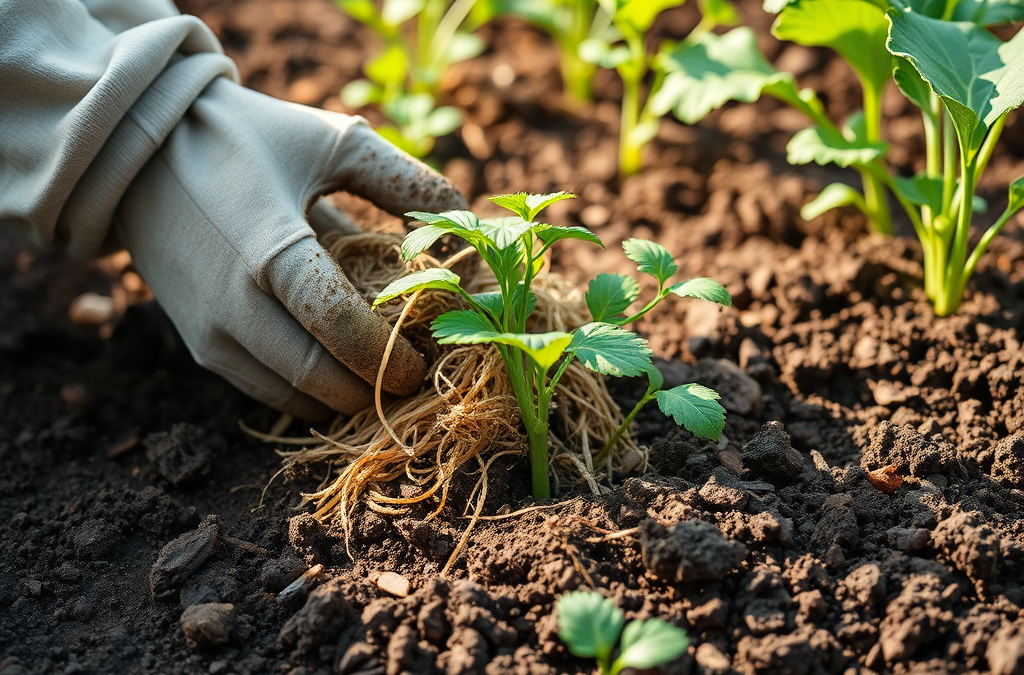
To improve your garden's soil health effectively, incorporate organic matter, practice crop rotation, and utilize cover crops. Adding compost or well-rotted manure enriches the soil, enhancing its structure and nutrient content. Crop rotation prevents nutrient depletion by alternating crops with different nutrient needs, while cover crops protect the soil from erosion during off-seasons. Aim for at least 25% organic matter in your soil for optimal health, and remember that diverse plant roots can help balance soil nutrients, promoting a thriving garden ecosystem.
Incorporating Organic Matter
Incorporating organic matter is one of the most effective methods to improve your garden’s soil health. Organic matter, such as compost, well-rotted manure, and leaf litter, enhances soil structure, increases water retention, and provides essential nutrients as it decomposes. When organic matter is added to soil, it creates a rich environment for beneficial microorganisms, which in turn helps to break down nutrients into forms that plants can absorb. A common mistake is underestimating the amount of organic matter needed; aim for at least a 25% organic matter content in your soil for optimal health.
For instance, mixing in compost at a ratio of 1:3 with existing soil can significantly boost its nutrient profile. This practice not only improves soil health but also aids in combating soil erosion. Additionally, organic matter supports the development of soil aggregates, which enhances aeration and drainage, making it easier for roots to grow and access water and nutrients.
Practicing Crop Rotation
Practicing crop rotation is another essential technique to enhance soil health. By alternating the types of crops grown in a specific area, you can prevent nutrient depletion and reduce pest and disease cycles. Different plants have varying nutrient requirements and root structures, which means that rotating crops can help balance the nutrients in the soil. For example, legumes can fix nitrogen in the soil, which benefits subsequent crops that require higher nitrogen levels.
A common pitfall is planting the same type of crops in consecutive years, which can lead to soil nutrient depletion and increase susceptibility to specific pests and diseases. By planning a rotation schedule that includes a mix of legumes, brassicas, and root vegetables, you can maintain soil fertility and health over time. Aim for a three- to four-year rotation plan to maximize benefits.
Utilizing Cover Crops
Utilizing cover crops is an effective strategy to enhance soil health during the off-season. Cover crops, such as clover, rye, and vetch, are planted to cover the soil rather than being harvested. These crops improve soil structure, prevent erosion, and enhance nutrient cycling. As they grow, cover crops stabilize the soil, preventing nutrient loss and suppressing weeds.
One common mistake is neglecting to plant cover crops, leading to bare soil that can suffer from erosion and nutrient depletion. Planting a cover crop in the fall can protect the soil through winter and, when turned under in spring, can provide a nutrient boost to the main crops. This practice not only improves soil health but also contributes to increased biodiversity in the garden ecosystem.
Implementing Mulching Techniques
Implementing mulching techniques is another vital method for improving soil health. Organic mulches, such as straw, wood chips, or shredded leaves, help retain soil moisture, regulate temperature, and suppress weeds. By covering the soil with a layer of mulch, you create a barrier that protects the soil from erosion and compaction.
Moreover, as the mulch breaks down, it adds organic matter to the soil, further enhancing its fertility. A common misconception is that mulching is only necessary in the summer; however, applying mulch in winter can also protect soil from freezing and thawing cycles. Aim for a mulch layer of 2-4 inches around your plants to maximize benefits.
Frequently Asked Questions
What is the best way to improve soil health?
The best ways to improve soil health include incorporating organic matter, practicing crop rotation, and utilizing cover crops.
How often should I add organic matter to my garden?
It's recommended to add organic matter, like compost, at least once a year to maintain soil health.
Can I use synthetic fertilizers instead of organic matter?
While synthetic fertilizers can provide nutrients quickly, they do not improve soil structure or microbial health like organic matter does.
What are some examples of cover crops?
Examples of cover crops include clover, rye, vetch, and buckwheat, each offering different benefits to soil health.
How does mulching help soil health?
Mulching helps soil health by retaining moisture, regulating temperature, suppressing weeds, and adding organic matter as it decomposes.
Conclusion
Improving your garden’s soil health is crucial for successful gardening and sustainable practices. By incorporating organic matter, practicing crop rotation, utilizing cover crops, and implementing mulching techniques, you can create a nutrient-rich environment that supports plant growth and resilience. Prioritize these methods to ensure long-term soil vitality, which ultimately leads to healthier plants and better yields.


