
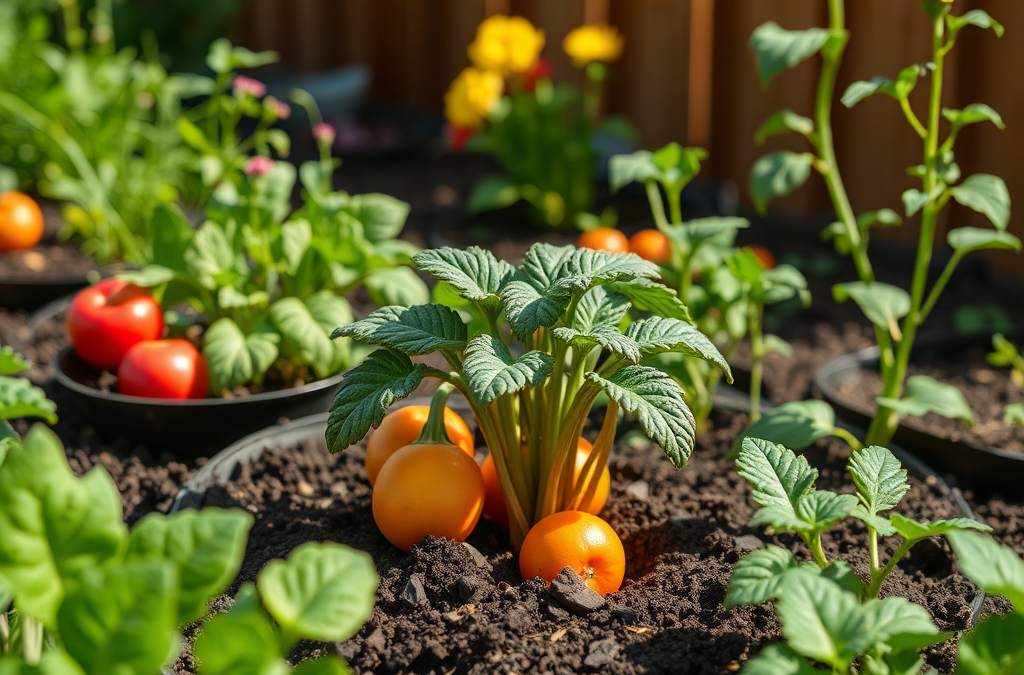
Extending the life of your vegetable garden involves implementing essential maintenance practices and making seasonal adjustments to ensure continued growth. Regularly rotating crops helps prevent soil depletion and pest buildup, while timely watering and mulching maintain moisture levels and regulate temperature. Additionally, using organic fertilizers can enhance soil health, supporting robust plant growth throughout the growing season. Implementing these strategies will allow you to enjoy a flourishing vegetable garden well beyond the traditional growing period.
Crop Rotation and Diversity
One of the most effective ways to extend the life of your vegetable garden is through crop rotation and plant diversity. Crop rotation involves changing the types of plants grown in a specific area each season. This practice prevents the depletion of specific nutrients in the soil and reduces the risk of pest infestations and diseases that thrive on particular crops.
For example, if you grow tomatoes in one area this year, plant legumes like beans or peas in that same spot the following year. Legumes add nitrogen to the soil, improving its fertility for subsequent crops. This method not only enhances soil health but also increases overall biodiversity, which can lead to a more resilient garden ecosystem.
Additionally, mixing different types of plants can attract beneficial insects and pollinators, further supporting the health of your garden. It’s essential to plan your planting schedule carefully to ensure a balanced crop rotation system that maximizes soil nutrients and minimizes pest issues.
Soil Health and Fertilization
Maintaining soil health is paramount for extending the life of your vegetable garden. Healthy soil is rich in organic matter, has good drainage, and supports beneficial microorganisms. Regularly adding organic matter, such as compost or well-rotted manure, can significantly enhance soil structure and fertility.
Using organic fertilizers tailored to the specific needs of your plants can also boost nutrient levels. For instance, a balanced fertilizer with equal parts nitrogen, phosphorus, and potassium supports overall plant growth, while specialized fertilizers can address specific deficiencies. Conducting a soil test can help determine which nutrients are lacking and guide your fertilization strategy.
It’s crucial to apply fertilizers at the right time, as over-fertilizing can lead to nutrient runoff and environmental issues. Consider using slow-release fertilizers to provide a steady supply of nutrients throughout the growing season, ensuring that your plants receive the support they need without overwhelming the soil.
Watering Techniques
Proper watering techniques are vital for extending the life of your vegetable garden. Consistent moisture levels are necessary for healthy plant growth, but overwatering can lead to root rot and other issues. Implementing a drip irrigation system or soaker hoses can help deliver water directly to the root zone, minimizing evaporation and ensuring efficient water use.
It’s also essential to monitor soil moisture levels regularly. Using a moisture meter or simply checking the soil with your fingers can help determine when to water. Watering in the early morning or late afternoon can reduce water loss due to evaporation. Additionally, applying mulch around plants can help retain soil moisture, regulate temperature, and suppress weeds, further contributing to the longevity of your garden.
Seasonal Adjustments
Making seasonal adjustments is crucial for the longevity of your vegetable garden. As seasons change, so do the needs of your plants. In cooler months, consider using row covers or cloches to protect tender vegetables from frost. During the hotter months, shade cloth can help prevent sunburn and stress on plants.
Additionally, planting cold-hardy crops in the fall can extend your harvest season. Vegetables like kale, spinach, and certain root vegetables can withstand colder temperatures, allowing you to maximize your garden’s productivity. Conversely, in spring, be mindful of the last frost dates and stagger your planting to avoid loss due to unexpected temperature drops.
By staying attuned to seasonal changes and making necessary adjustments, you can ensure that your vegetable garden remains productive throughout the year.
Frequently Asked Questions
What is crop rotation and why is it important?
Crop rotation is the practice of changing the types of crops grown in a specific area each season to enhance soil health and reduce pest buildup. It helps prevent nutrient depletion and promotes biodiversity.
How can I improve my soil health?
Improving soil health can be achieved by adding organic matter like compost, using cover crops, and conducting soil tests to tailor fertilization. Healthy soil supports robust plant growth.
What are the best watering practices for vegetable gardens?
Best practices include using drip irrigation or soaker hoses to minimize evaporation, watering during early morning or late afternoon, and applying mulch to retain moisture.
How can I protect my garden from frost?
Using row covers, cloches, or blankets can protect tender plants from frost damage during cold nights. Timing your planting to avoid frost dates is also essential.
What vegetables can I plant in the fall?
Fall is a great time to plant cold-hardy crops like kale, spinach, and certain root vegetables, which can withstand cooler temperatures and extend your harvest season.
Conclusion
Extending the life of your vegetable garden requires a proactive approach that includes crop rotation, maintaining soil health, proper watering techniques, and seasonal adjustments. By implementing these strategies, you can ensure that your garden remains productive and resilient throughout the year. Pay close attention to the needs of your plants and the conditions of your soil, and be prepared to adapt your practices as seasons change. With careful planning and management, you can enjoy a thriving vegetable garden for years to come.


