
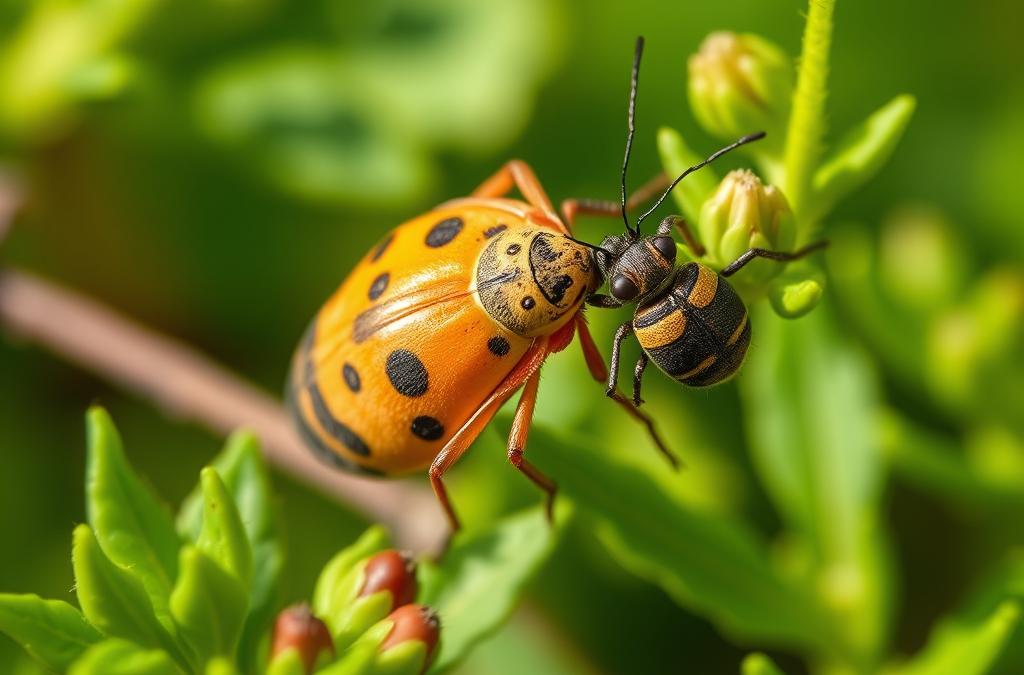
Troubleshooting common garden pest problems involves identifying the type of pests affecting your plants and implementing effective control methods such as natural predators, insecticidal soaps, or organic repellents. Recognizing signs of infestation, such as chewed leaves or discolored foliage, is crucial for timely intervention. Regular monitoring and preventive measures, like crop rotation and maintaining healthy soil, can significantly reduce pest populations and protect your garden's health.
Identifying Common Garden Pests
Effective pest management begins with proper identification of the pests. Common garden pests include aphids, caterpillars, spider mites, and beetles, each with unique signs of infestation. For instance, aphids typically cluster on new growth and can cause stunted plant development, while spider mites often leave fine webbing on leaves. Accurate identification is vital because it influences the choice of control measures to implement.
To identify pests, examine your plants regularly, looking for signs like holes in leaves, visible insects, or sticky residues known as honeydew, which aphids produce. Additionally, monitoring the timing of infestations can help pinpoint the specific pest; for example, some pests are more prevalent in spring, while others peak in late summer. Understanding these patterns will aid in your troubleshooting efforts.
Control Methods for Garden Pests
Once pests are identified, the next step is to implement control methods. Various strategies exist, ranging from chemical solutions to organic options. Natural predators, like ladybugs for aphids, can effectively reduce pest populations without harming your garden’s ecosystem. Insecticidal soaps and oils are also popular for treating soft-bodied insects, offering a less toxic alternative.
For more severe infestations, you might consider using targeted pesticides. However, it’s crucial to select products that are safe for your plants and beneficial insects. Always follow the manufacturer’s instructions and apply during times when beneficial insects are less active, typically early morning or late afternoon. It’s also wise to combine methods, such as using traps alongside sprays, for a more comprehensive approach.
Preventive Strategies for Pest Management
Prevention is key to reducing the likelihood of pest problems in your garden. Start by ensuring your plants are healthy, as robust plants are less susceptible to pests. Healthy soil, adequate watering, and appropriate fertilization all contribute to plant vigor. Additionally, practices like crop rotation can disrupt pest life cycles, making it harder for them to establish themselves in your garden.
Companion planting is another effective preventive strategy. Planting certain species together can deter pests; for example, marigolds are known to repel nematodes and other harmful insects. Moreover, maintaining a clean garden by removing debris and weeds can eliminate potential pest habitats. Regularly inspecting plants and responding quickly to early signs of trouble will also help keep infestations at bay.
Common Mistakes in Pest Troubleshooting
Many gardeners make common mistakes when troubleshooting pest problems that can exacerbate the situation. One frequent error is waiting too long to identify and act on pest signs. Early intervention is critical, as many pests reproduce quickly, leading to larger infestations. Another mistake is relying solely on chemical controls without considering integrated pest management (IPM) practices that combine multiple strategies for effectiveness.
Over-reliance on any single method can also lead to resistance, making pests harder to control over time. For instance, using the same pesticide repeatedly can result in pests developing resistance to that chemical. It’s essential to rotate control methods and include non-chemical strategies in your approach. Additionally, neglecting to consider the impact on beneficial insects can disrupt the natural balance of your garden ecosystem.
Frequently Asked Questions
What are the signs of a pest infestation in the garden?
Common signs include visible insects on plants, chewed leaves, discolored foliage, and sticky residues on surfaces.
How can I naturally control garden pests?
Natural control methods include introducing beneficial insects, using insecticidal soaps, and employing physical barriers like row covers.
What plants can repel pests?
Plants like marigolds, basil, and lavender can repel various pests and are beneficial in companion planting strategies.
When is the best time to apply pesticides?
The best time to apply pesticides is early morning or late afternoon when beneficial insects are less active.
What common mistakes should I avoid when dealing with pests?
Avoid waiting too long to address infestations, relying solely on chemical controls, and neglecting the impact on beneficial insects.
Conclusion
Addressing common garden pest problems requires a thorough understanding of pest identification, effective control methods, and preventive strategies. By monitoring your plants closely and employing an integrated approach, you can manage pest populations effectively while minimizing harm to your garden’s ecosystem. Remember, early intervention is key, and diversifying your methods will lead to better long-term results.


