
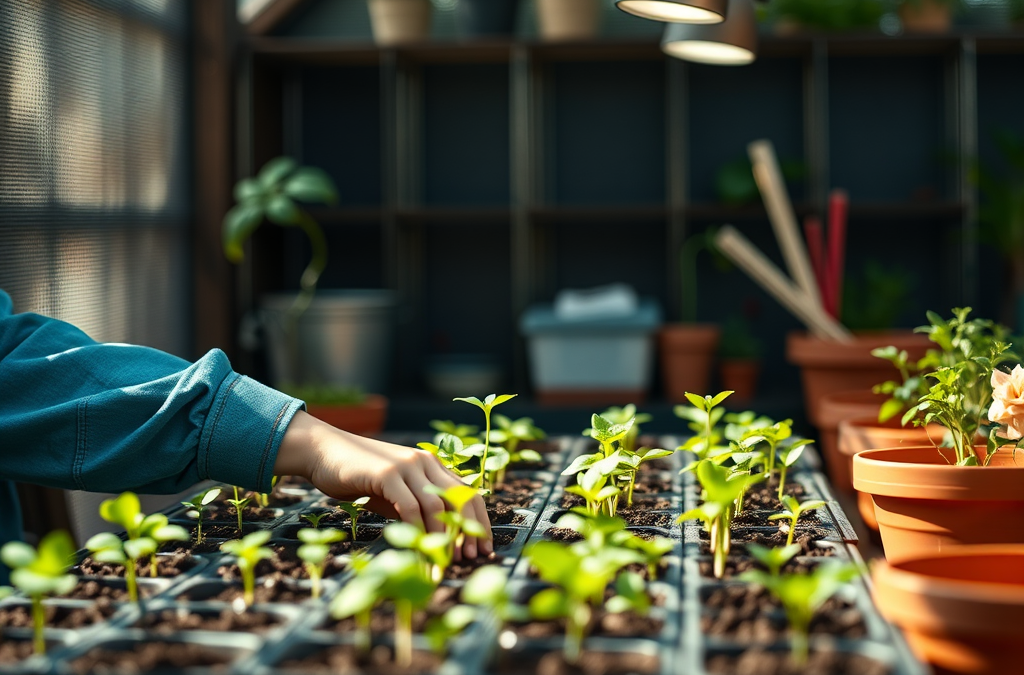
To ensure your seedlings are healthy, focus on providing adequate light, maintaining proper moisture levels, and using nutrient-rich soil. Seedlings thrive with 12-16 hours of light daily, so consider using grow lights to supplement natural sunlight, positioning them appropriately to prevent leggy growth. Additionally, keep the soil consistently moist but not waterlogged, checking moisture levels regularly to avoid root rot. Using a quality seed-starting mix can help retain moisture while allowing for drainage. Lastly, monitor for pests and diseases, as early detection is key to maintaining the health of your seedlings.
Providing Adequate Light
Light is crucial for seedlings as it drives photosynthesis, enabling them to grow strong and healthy. Seedlings generally require 12-16 hours of light each day, depending on the species. Insufficient light can lead to leggy growth, where plants stretch toward the light source, resulting in weak stems that are more susceptible to damage.
To ensure your seedlings receive adequate light, consider using grow lights if natural sunlight is limited. Position the lights about 2-4 inches above the seedlings, adjusting as they grow to maintain the correct distance. LED grow lights are energy-efficient and can be tailored to provide the specific light spectrum that seedlings need for optimal growth.
Additionally, rotating your seedlings regularly can help them receive even light distribution, preventing uneven growth. Monitor their growth closely, as signs of insufficient light include slow growth and pale leaves.
Maintaining Proper Moisture Levels
Moisture management is vital for the health of seedlings. Overwatering can lead to root rot, while underwatering can cause stress and stunt growth. The goal is to keep the soil consistently moist but not soggy. To achieve this, use a quality seed-starting mix that retains moisture while allowing for proper drainage.
Check the soil moisture level regularly by inserting your finger about an inch into the soil. If it feels dry, it’s time to water. A gentle misting can also help maintain humidity around seedlings, especially in dry indoor environments. Using a spray bottle or a humidity dome can assist in keeping moisture levels stable.
Be cautious of environmental factors such as temperature and airflow, as they can influence moisture levels. Warmer temperatures may require more frequent watering, while cooler conditions might necessitate less.
Using Nutrient-Rich Soil
The choice of soil plays a significant role in the health of seedlings. High-quality seed-starting mixes are designed to provide a balanced environment for young plants, containing essential nutrients and organic matter. Using nutrient-rich soil supports strong root development and overall plant vigor.
When selecting soil, look for mixes that contain peat moss, vermiculite, or coconut coir, as these components help retain moisture and provide aeration. Avoid using garden soil, as it may contain pathogens and pests that can harm seedlings.
Once seedlings develop their first true leaves, consider using a diluted liquid fertilizer to provide additional nutrients. This approach helps support healthy growth and prepares the plants for eventual transplanting into larger containers or the garden.
Monitoring for Pests and Diseases
Keeping a close eye on your seedlings for signs of pests and diseases is essential for maintaining their health. Common pests that can affect seedlings include aphids, spider mites, and fungus gnats. Regularly inspect the leaves, stems, and soil for any signs of infestation.
Implementing preventive measures, such as maintaining cleanliness in your growing area and using natural pest deterrents, can help reduce the risk of pest problems. If you notice any pests, act quickly by removing them manually or using insecticidal soap.
Diseases such as damping-off can also threaten seedlings, leading to wilting and death. To prevent this, ensure proper air circulation and avoid overcrowding seedlings. Keeping the soil moist but not overly wet can also help minimize the risk of fungal infections.
Frequently Asked Questions
What type of light is best for seedlings?
Full-spectrum LED grow lights are ideal as they provide the necessary light spectrum for seedling growth.
How often should I water my seedlings?
Water when the top inch of soil feels dry, ensuring not to let them sit in soggy soil.
Can I use garden soil for seedlings?
No, garden soil can contain pests and diseases; it's better to use a sterile seed-starting mix.
What are signs of overwatering seedlings?
Signs include yellowing leaves, wilting, and a musty smell from the soil.
How can I prevent pests on my seedlings?
Maintain cleanliness, monitor regularly, and consider using natural pest deterrents.
Conclusion
Ensuring your seedlings are healthy requires attention to light, moisture, soil quality, and pest management. By providing adequate light, maintaining the right moisture levels, using nutrient-rich soil, and monitoring for pests, you can foster strong growth in your seedlings. Focus on these areas, and you will set a strong foundation for your plants as they develop into healthy adults ready for transplanting.


