
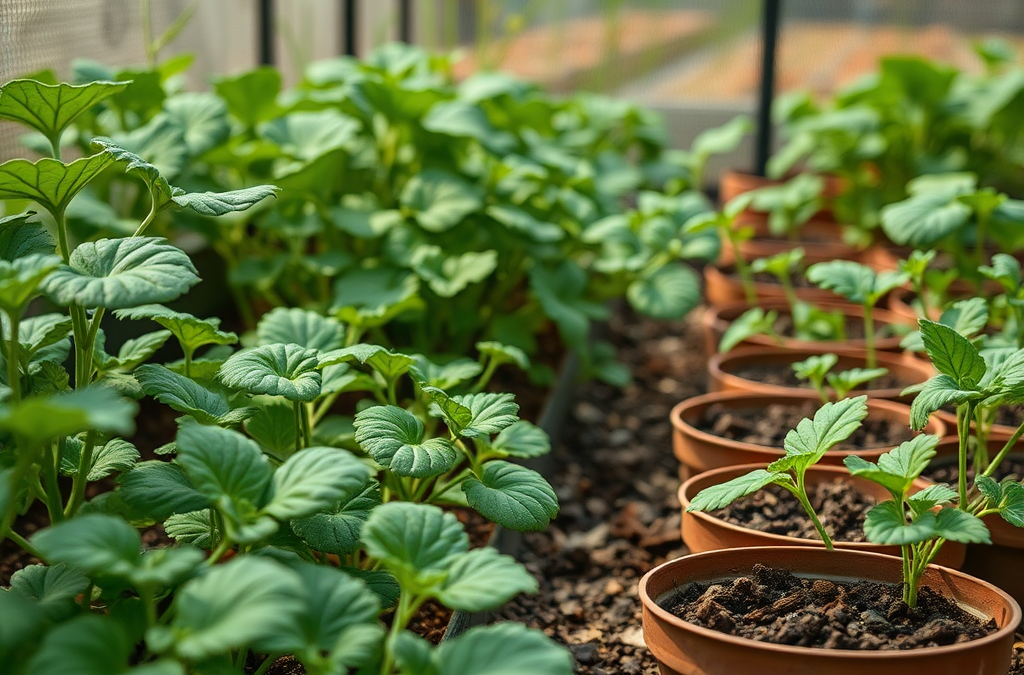
To enhance pollination in vegetable gardens, consider planting a diverse range of flowering plants that attract beneficial pollinators like bees and butterflies. Companion planting with herbs and flowers such as marigolds and lavender can create a welcoming environment for these insects. Maintaining healthy soil is essential, as it supports robust plant growth and improves overall garden health. Additionally, hand-pollination techniques can be beneficial for crops like tomatoes and peppers, ensuring they receive adequate pollen transfer. Reducing pesticide use and providing water sources will further encourage pollinator activity, leading to improved fruit set and higher yields in your garden.
Understanding Pollination in Vegetable Gardens
Pollination is a crucial process for the reproduction of flowering plants, including vegetables. It involves the transfer of pollen from the male parts of a flower to the female parts, leading to fertilization and the production of seeds and fruits. Effective pollination directly impacts the quantity and quality of the harvest in vegetable gardens. Understanding the types of pollination—self-pollination and cross-pollination—can help gardeners implement strategies that boost pollination rates. For instance, crops like tomatoes are self-pollinating, while others, such as cucumbers, require cross-pollination.
Moreover, recognizing the role of pollinators, such as bees, butterflies, and other insects, is essential. These creatures are attracted to flowering plants not just for nectar but also for pollen, which they use as food for their young. By fostering a diverse ecosystem within the garden that supports these pollinators, gardeners can significantly enhance pollination rates and, consequently, their vegetable yields.
Attracting Pollinators with Companion Planting
Companion planting is an effective method for enhancing pollination in vegetable gardens. By strategically planting compatible flowers and herbs alongside vegetables, gardeners can attract a variety of pollinators. For example, planting sunflowers, marigolds, or lavender can draw in bees, while herbs like basil and mint can attract beneficial insects. These plants not only provide visual appeal but also create a habitat that encourages pollinator activity.
In addition to attracting pollinators, companion planting can improve the health of the garden ecosystem. Certain plants can deter pests that threaten vegetables, reducing the need for chemical pesticides that may harm pollinators. Moreover, interspersing flowering plants among vegetables can create a continuous bloom throughout the growing season, ensuring that pollinators have a reliable food source.
However, it’s important to choose plants that bloom at different times to ensure a steady supply of flowers throughout the growing season. Gardeners should also consider the specific needs of their vegetable crops when selecting companion plants, as some may compete for nutrients or space.
Maintaining Healthy Soil for Optimal Growth
Healthy soil is a cornerstone of a productive vegetable garden and plays a significant role in enhancing pollination. Nutrient-rich soil supports vigorous plant growth, which in turn attracts more pollinators. To maintain soil health, gardeners should focus on practices such as crop rotation, cover cropping, and the addition of organic matter like compost. These practices improve soil structure, enhance nutrient availability, and promote beneficial microbial activity.
Moreover, soil moisture levels are crucial for plant health. Ensuring that plants have adequate water—without overwatering—can lead to stronger, more resilient plants that are better able to attract pollinators. Mulching can help retain soil moisture and suppress weeds, creating an optimal environment for vegetable growth.
One common mistake is relying solely on chemical fertilizers, which can degrade soil health over time. Instead, adopting organic practices can lead to a more sustainable and thriving garden ecosystem. Techniques such as vermicomposting or utilizing green manures can replenish soil nutrients naturally, fostering a healthier environment for both plants and pollinators.
Hand-Pollination Techniques for Specific Crops
For gardeners aiming to enhance pollination rates, particularly for crops that require cross-pollination, hand-pollination can be an effective technique. This method involves transferring pollen from the male flower to the female flower manually. Crops such as squash, cucumbers, and peppers benefit significantly from this practice.
To hand-pollinate, gardeners should first identify male and female flowers. Male flowers typically have a straight stem, while female flowers have a swollen ovary at the base. Using a small brush or cotton swab, gardeners can gently collect pollen from the male flower and apply it to the stigma of the female flower. This method can be particularly useful in areas where natural pollinator populations are low.
Timing is also essential; hand-pollination is most effective during the early morning when flowers are fully open. However, it’s crucial to avoid excessive handling, which can damage delicate flowers. While hand-pollination can improve yields, it’s important to balance this method with natural pollination strategies to maintain a healthy ecosystem.
For those interested in deepening their understanding of pollination and gardening techniques, consider exploring resources from local agricultural extensions or gardening associations. These organizations often provide valuable insights, research, and practical advice tailored to specific regions and climates.
Frequently Asked Questions
What are the best plants to attract pollinators in vegetable gardens?
Plants like sunflowers, marigolds, lavender, and various herbs such as basil and mint are excellent for attracting pollinators.
How can I tell if my vegetable plants are getting enough pollination?
Signs of good pollination include a healthy fruit set and the absence of distorted or undeveloped fruits. If fruits are not forming, it may indicate insufficient pollination.
Is it necessary to hand-pollinate all vegetable plants?
No, hand-pollination is typically not necessary for self-pollinating plants like tomatoes. However, it can be beneficial for crops that require cross-pollination.
What role do bees play in vegetable pollination?
Bees are primary pollinators for many vegetable crops, transferring pollen between flowers as they forage for nectar and pollen.
How can I improve soil health in my vegetable garden?
Improving soil health can be achieved through practices like adding organic matter, practicing crop rotation, and using cover crops to enhance soil structure and nutrient availability.
Conclusion
Enhancing pollination in vegetable gardens is essential for maximizing yields and ensuring healthy crops. By attracting pollinators through companion planting, maintaining healthy soil, and employing hand-pollination techniques when necessary, gardeners can significantly improve their harvests. Understanding the unique needs of different vegetable crops and implementing strategic practices will lead to a thriving garden ecosystem.


