
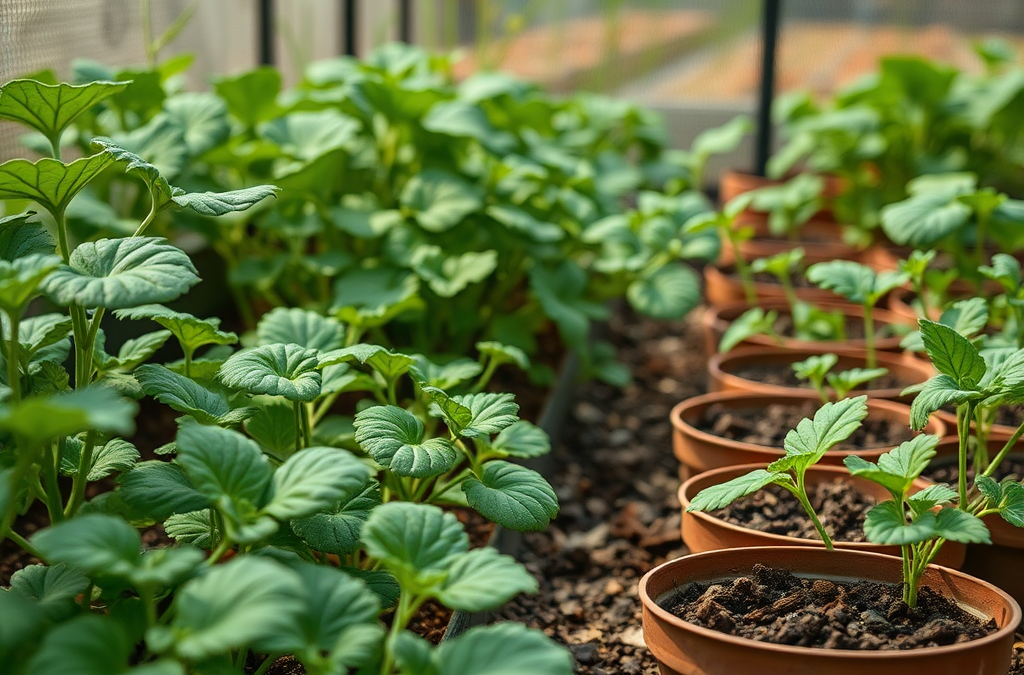
When your vegetable plants are diseased, the first step is to accurately identify the specific disease affecting them. This allows you to select the appropriate treatment methods, such as organic fungicides or pesticides, and implement cultural practices like crop rotation or improved drainage. Additionally, regularly inspecting plants for early signs of disease can prevent further spread and help maintain overall garden health.
Identifying the Disease
Identifying the specific disease affecting your vegetable plants is crucial for effective management. Common symptoms include yellowing leaves, wilting, or unusual spots. Observing these signs can help you determine whether the issue is caused by a fungal infection, bacterial infection, or pests. For example, powdery mildew often appears as white, powdery spots on leaves, while root rot can cause plants to wilt and turn yellow due to poor drainage.
One common mistake is to assume that all plant issues are due to disease. Nutrient deficiencies or environmental stress can also cause similar symptoms. Therefore, it’s essential to assess the entire growing environment, including soil quality and watering practices, before concluding that a disease is present.
Treatment Options
Once you have identified the disease, implementing the right treatment is vital. For fungal diseases like blight, applying a suitable fungicide can help control the spread. Organic options such as neem oil or sulfur-based products are often effective and safer for the environment. For bacterial infections, improving air circulation around plants can reduce humidity levels and help prevent further outbreaks.
It’s important to follow the manufacturer’s instructions when applying any treatment. Overuse of chemicals can lead to resistance and further complications. Additionally, removing and destroying infected plant material can significantly reduce the risk of disease spread in your garden.
Preventive Measures
Preventing disease in vegetable gardens is often easier than treating it. Start by selecting disease-resistant varieties of crops when possible. Additionally, practicing crop rotation can disrupt the life cycles of pathogens and pests, reducing their impact in subsequent growing seasons.
Maintaining proper spacing between plants allows for adequate air circulation, which is crucial for preventing fungal diseases. Regularly monitoring soil moisture levels and ensuring proper drainage can also minimize conditions conducive to disease development. For instance, raised beds can improve drainage and reduce the risk of root rot.
Maintaining Plant Health
Healthy plants are more resilient to diseases. Implementing good cultural practices, such as regular watering and fertilizing, can help your plants thrive. Ensure that you are using the right type of fertilizer to meet the specific needs of your vegetable crops, as nutrient imbalances can make plants more susceptible to diseases.
Additionally, regular inspection of plants for early signs of disease can allow for prompt intervention. If you notice any unusual symptoms, take immediate action to identify and treat the issue before it escalates. This proactive approach can save your crops and ensure a fruitful harvest.


