
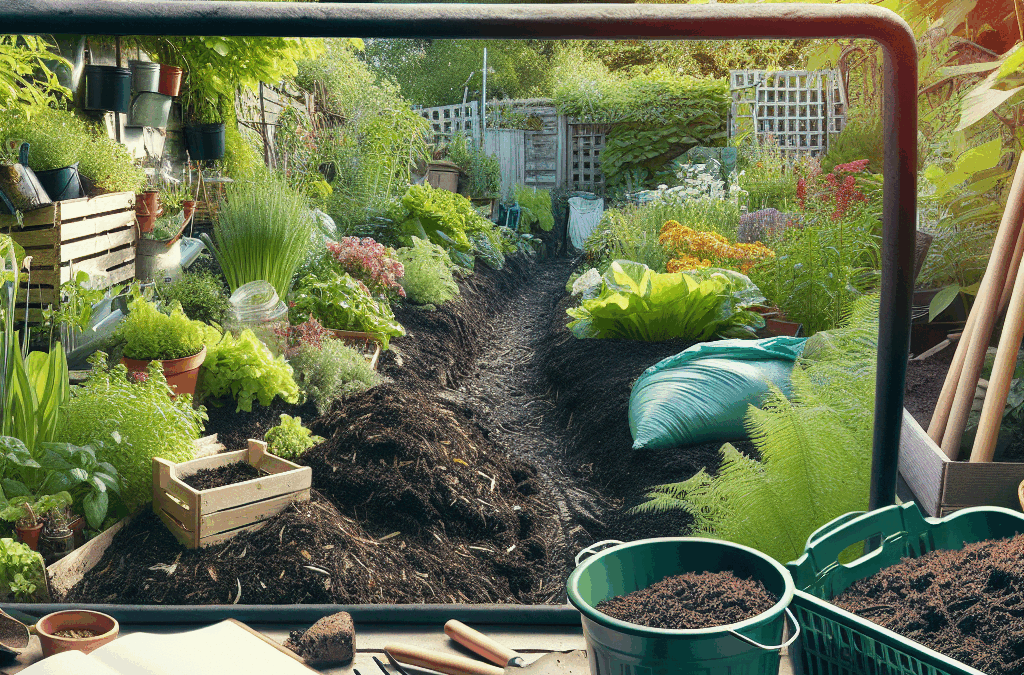
Building healthy soil for organic gardening involves incorporating organic matter, ensuring proper drainage, and maintaining a balanced pH. Start by adding compost or well-rotted manure to enrich the soil with nutrients. Regularly test the soil to adjust pH levels and improve drainage by mixing in sand or perlite if necessary. These steps will enhance soil structure and fertility, leading to robust plant growth.
Understanding Soil Composition
Soil is a complex mixture of minerals, organic matter, water, and air. Its composition directly influences plant health and productivity. Healthy soil typically consists of about 45% minerals, 25% water, 25% air, and 5% organic matter. The mineral content includes sand, silt, and clay, which together determine the soil’s texture. Understanding these components is crucial for effective organic gardening.
Soil texture affects drainage and nutrient retention. Sandy soils drain quickly but may not hold nutrients well, while clay soils retain moisture but can become compacted. Ideal soil for organic gardening usually has a loamy texture, combining the benefits of sand, silt, and clay. This balance allows for good drainage while retaining essential nutrients and moisture.
The Role of Organic Matter
Organic matter is vital for building healthy soil as it enhances soil structure, fertility, and microbial activity. Incorporating compost, leaf litter, or well-rotted manure increases the soil’s nutrient content and improves its water-holding capacity. Organic matter also fosters a diverse ecosystem of beneficial microorganisms that help decompose organic materials, making nutrients available to plants.
A common misconception is that organic matter is only necessary at the beginning of a gardening season. However, maintaining organic matter throughout the year is essential. Regular additions of compost or mulch can prevent nutrient depletion and soil erosion. Additionally, cover crops can be planted during off-seasons to enrich the soil further and protect it from erosion.
Soil Testing and Amendments
Regular soil testing is crucial for understanding its nutrient profile and pH level. Testing helps gardeners identify deficiencies and make informed decisions regarding amendments. Soil tests can be conducted through local agricultural extension offices or home testing kits. Key nutrients to monitor include nitrogen, phosphorus, potassium, and pH levels.
After testing, amendments can be applied to correct deficiencies. For example, if a soil test reveals low nitrogen levels, adding blood meal or fish emulsion can help. If the soil is too acidic, lime can be incorporated to raise the pH, while sulfur can lower it if the soil is too alkaline. These amendments should be applied based on the specific needs of the soil and plants.
Maintaining Soil Health
Maintaining healthy soil is an ongoing process that involves monitoring and adjusting practices as needed. Crop rotation is a beneficial practice that prevents nutrient depletion and reduces pest and disease buildup. By rotating crops, gardeners can ensure that different nutrients are utilized and replenished over time.
Another critical aspect is minimizing soil disturbance. Practices such as no-till gardening or using a broad fork instead of a shovel can help maintain soil structure and prevent compaction. Additionally, mulching helps retain moisture, suppress weeds, and gradually adds organic matter as it decomposes. The combination of these practices contributes to a thriving ecosystem within the soil.
Frequently Asked Questions
What is the best way to improve soil health for organic gardening?
The best way to improve soil health is by adding organic matter, conducting soil tests, and using cover crops to enhance nutrient levels and structure.
How often should I test my garden soil?
It's recommended to test your garden soil every 2-3 years to monitor nutrient levels and pH, adjusting as necessary.
Can I use chemical fertilizers in organic gardening?
No, chemical fertilizers are not allowed in organic gardening. Instead, use organic amendments like compost or manure.
What are cover crops and why are they important?
Cover crops are plants grown during off-seasons to prevent soil erosion, improve soil structure, and add organic matter when tilled back into the soil.
How can I prevent soil erosion in my garden?
Prevent soil erosion by using mulch, planting cover crops, and implementing contour planting techniques to slow water runoff.
Conclusion
Building and maintaining healthy soil for organic gardening is essential for robust plant growth and sustainable gardening practices. By understanding soil composition, regularly testing soil, and incorporating organic matter, gardeners can create a thriving environment for their plants. Implementing crop rotation and minimizing soil disturbance will further enhance soil health. Prioritize these practices to ensure a productive and eco-friendly garden.
Further Reading
Authoritative Sources
- Practical Tips for Healthy Soil in a Home Garden
extension.psu.eduAmending your soil with organic matter is easily done by just mixing it directly into the garden soil. Add organic matter when you make a new ...
- Soil Building – How to Make Deep Rich Soils by Imitating ...
permacultureapprentice.comThere are several ways to maintain soil organic matter in your annual garden, and one of the easiest is using lawn grass clippings, leaves, straw or cover crops ...
- Building Healthy Soil - Pathway to Abundance
growingwithnature.orgIf you want to build healthy, living soil, the first thing you need is mulch. Mulch retains moisture, protects soil structure, and moderates temperature ...
- How to Improve Your Soil | 3 Easy Steps
joegardener.comThree Steps to Improve Any Soil. 1. Add Organic Matter. Organic matter is the single most important ingredient to improving any soil. It can ...


