
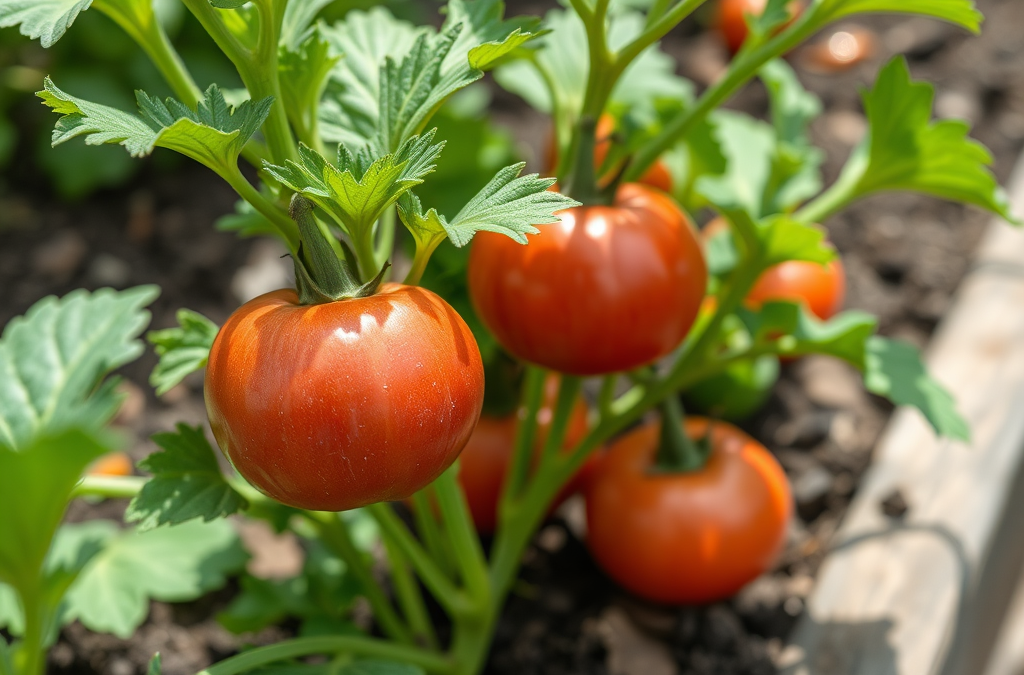
To recognize and treat common vegetable plant issues, regularly inspect your plants for symptoms like yellowing leaves, wilting, or stunted growth. These signs often indicate nutrient deficiencies, pest infestations, or diseases. For instance, yellowing leaves with green veins may suggest a nitrogen deficiency, while overall yellowing could indicate overwatering. Address these issues promptly by adjusting your watering schedule, applying the correct fertilizers based on soil tests, and using organic pest control methods. Early intervention is key to maintaining healthy plants and ensuring a good harvest.
Identifying Symptoms of Plant Stress
Recognizing the early signs of stress in vegetable plants is crucial for effective management. Symptoms such as yellowing leaves, wilting, and stunted growth can serve as indicators of underlying issues. For instance, yellowing leaves might suggest nutrient deficiencies or overwatering, while wilting could indicate insufficient moisture or root problems. Regular inspection of your plants can help catch these issues early, allowing for timely intervention.
Understanding the specific symptoms can guide you to the right solution. For example, if the leaves are yellow and the veins remain green, this could indicate nitrogen deficiency, while general yellowing may point to overwatering or root rot. It’s essential to differentiate between these symptoms to take appropriate action.
Common Nutrient Deficiencies and Their Solutions
Nutrient deficiencies can significantly impact plant health and productivity. Key nutrients include nitrogen, phosphorus, and potassium, each playing a vital role in plant growth. Nitrogen is essential for leaf development, phosphorus supports root and flower growth, and potassium regulates various physiological processes.
To address nutrient deficiencies, soil testing is highly recommended. This process helps identify which nutrients are lacking and allows you to apply the correct fertilizers. For example, a nitrogen deficiency can be rectified with nitrogen-rich fertilizers like blood meal or fish emulsion, while phosphorus can be supplemented with bone meal. Additionally, organic compost can enhance overall soil health, providing a slow-release source of nutrients.
Managing Pests Effectively
Pest management is a critical aspect of maintaining healthy vegetable plants. Common pests such as aphids, spider mites, and whiteflies can wreak havoc on your garden. Identifying pests early is crucial; look for signs like holes in leaves, sticky residue, or visible insects.
There are several methods to manage pests effectively. Integrated Pest Management (IPM) combines biological controls, cultural practices, and chemical treatments when necessary. For example, introducing beneficial insects like ladybugs can help control aphid populations. Additionally, using insecticidal soap can provide a quick solution without harming beneficial insects. Regular monitoring and maintaining plant health through proper watering and fertilization can also reduce pest susceptibility.
Dealing with Plant Diseases
Plant diseases can be caused by fungi, bacteria, or viruses, and recognizing the signs is essential for effective management. Symptoms may include wilting, discoloration, or unusual growth patterns. For example, powdery mildew appears as white, powdery spots on leaves, while blight may cause dark lesions and rapid wilting.
Preventative measures are key in managing plant diseases. Ensure proper spacing between plants for air circulation, water at the base of the plants to avoid wetting the foliage, and rotate crops yearly to prevent soil-borne diseases. If disease does occur, remove affected plant parts immediately and consider using organic fungicides or bactericides as a treatment option.
Frequently Asked Questions
What are the common signs of nutrient deficiencies in vegetable plants?
Common signs include yellowing leaves, poor growth, and leaf drop. Each nutrient deficiency has unique symptoms, so it's essential to identify the specific signs.
How can I prevent pests in my vegetable garden?
Prevent pests by maintaining plant health, using companion planting, and introducing beneficial insects. Regularly inspect plants for early signs of infestation.
What should I do if my plants have a disease?
Remove affected parts immediately, improve air circulation, and consider applying organic fungicides or bactericides as needed.
How often should I water my vegetable plants?
Watering frequency depends on the plant type and environmental conditions. Generally, aim for deep watering once a week, adjusting based on rainfall and soil moisture.
What are the best organic methods for pest control?
Organic methods include using neem oil, insecticidal soap, and introducing beneficial insects like ladybugs. Crop rotation and companion planting also help reduce pest populations.
Conclusion
Recognizing and treating common vegetable plant issues is essential for maintaining a healthy garden. Regular monitoring for symptoms like yellowing leaves or wilting can help catch problems early. Addressing nutrient deficiencies through soil testing and appropriate fertilization, managing pests with integrated approaches, and implementing disease prevention strategies will ensure your vegetable plants thrive. By staying proactive and informed, you can enjoy a bountiful harvest and healthy plants.


