
Understanding Soil Health
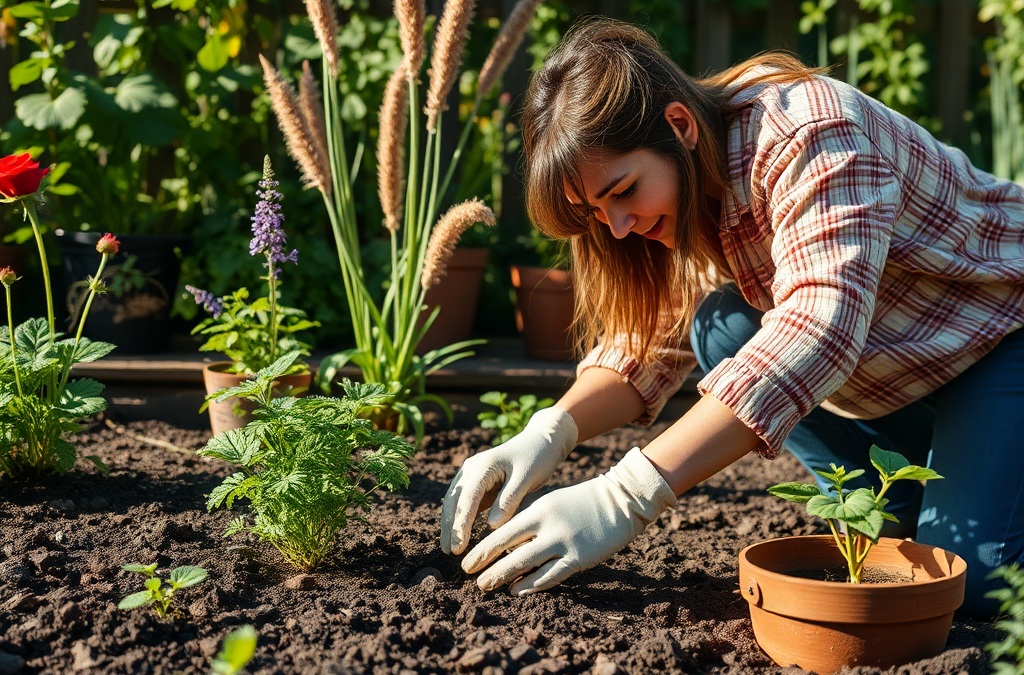
Soil health is foundational to a thriving garden, especially during seasonal changes. Healthy soil provides essential nutrients, supports plant root systems, and retains moisture effectively. Start by testing your soil for pH levels and nutrient content, using a soil test kit available at garden centers. Incorporating organic matter, such as compost or well-rotted manure, enhances soil structure and fertility. This amendment not only boosts nutrient availability but also improves water retention, which is critical during dry seasons.
Another key aspect of soil health is aeration. Compact soil can hinder root growth and water absorption. Use a garden fork or aerator to create small holes in the soil, allowing air, water, and nutrients to penetrate deeper. Regularly checking and maintaining soil health ensures your plants are well-supported through seasonal shifts, ultimately leading to higher yields and healthier growth.
Adjusting Plant Care Routines
As seasons change, so do the needs of your plants. Different plants have varying water, light, and nutrient requirements based on the time of year. For instance, during the hotter months, many plants require more frequent watering, while in cooler months, watering needs may decrease. Adjust your watering schedule accordingly, ensuring that plants receive adequate moisture without becoming waterlogged.
Fertilizing practices should also be modified. Early spring is an ideal time to apply a balanced fertilizer to stimulate growth, while late summer may require a shift to potassium-rich fertilizers to prepare plants for dormancy. Pay attention to specific plant types; perennials may need different care than annuals. Regular pruning and deadheading can also promote healthier growth and flowering, adapting your garden to seasonal cycles efficiently.
Protecting Against Extreme Weather
Seasonal changes often bring unpredictable weather conditions, such as frost, heavy rain, or intense heat. Preparing your garden to withstand these extremes is crucial for plant survival. Using mulch is an effective way to protect soil moisture and regulate temperature. Organic mulches, like straw or wood chips, can also suppress weeds, which may compete for nutrients.
Row covers or cloches provide additional protection for sensitive plants during sudden frosts. When anticipating cold weather, cover plants in the evening and remove coverings during the day to prevent overheating. Conversely, during heatwaves, consider shading plants with fabric or strategically placed structures to mitigate sun exposure. Understanding how to shield your plants from seasonal hazards is vital for maintaining a healthy garden.
Timing Your Seasonal Preparations
Timing is critical when preparing your garden for seasonal changes. Each season has optimal windows for planting, pruning, and fertilizing. For example, early spring is the best time to sow seeds for cool-season crops, while late spring is ideal for warm-season varieties. Familiarize yourself with local frost dates to avoid planting too early or too late.
To get the most from your garden, keep a gardening calendar that notes planting dates, fertilization schedules, and seasonal tasks. This practice helps ensure that you’re prepared for each phase of the growing season, optimizing plant health and yield. By aligning your gardening activities with seasonal cycles, you can enhance productivity and resilience.


