
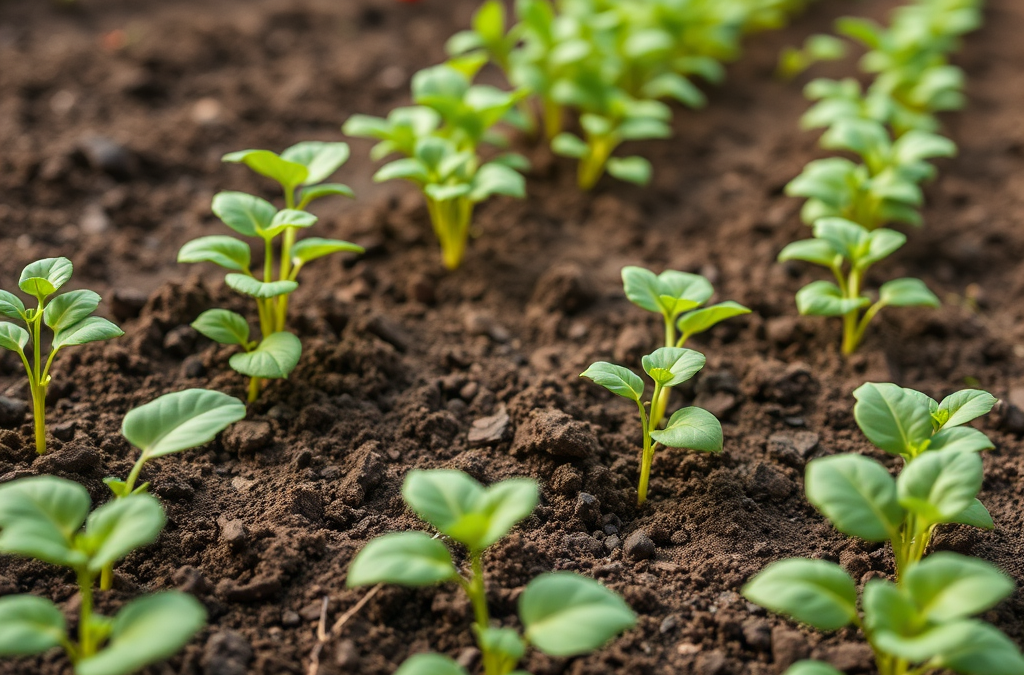
To choose the right plants for your climate, assess local temperature ranges, precipitation patterns, and soil types. Understanding your USDA hardiness zone helps identify which plants can thrive in your area. Additionally, consider native species, as they are adapted to local conditions and require less maintenance. Avoid common mistakes like selecting plants without considering their water and sunlight needs, which can lead to poor growth or plant failure.
Understanding Your Climate Zone
Knowing your climate zone is crucial for selecting the right plants. The USDA Hardiness Zone Map divides North America into zones based on the average annual minimum winter temperature. This information helps gardeners understand which plants are likely to survive winter conditions. For instance, if you live in a zone that experiences harsh winters, choosing plants that are rated for your zone or lower ensures they can withstand the cold.
Additionally, consider microclimates within your area. Factors such as elevation, proximity to bodies of water, and urban heat can create unique conditions that affect plant growth. For example, a garden located on a south-facing slope may receive more sunlight and warmth compared to a shaded area in the same zone.
Soil Types and Plant Compatibility
Soil type significantly influences plant health. Different plants have varying soil preferences, including pH levels, drainage capabilities, and nutrient content. For example, sandy soils drain quickly and may require more frequent watering, while clay soils retain moisture but can lead to root rot if drainage is poor.
Before planting, conduct a soil test to determine its pH and nutrient levels. This information will guide you in selecting plants that thrive in your specific soil conditions. For instance, if your soil is highly acidic, consider planting acid-loving plants like blueberries or azaleas, which will flourish under such conditions.
Choosing Native vs. Non-Native Plants
Native plants are adapted to local climates and ecosystems, making them a sustainable choice for many gardeners. They require less water and maintenance, as they have evolved alongside local wildlife and conditions. For example, if you live in the Midwest, selecting native prairie grasses can create a habitat for local pollinators while thriving in your area’s soil and climate.
On the other hand, non-native plants can introduce beauty and diversity to your garden but may require more resources to maintain. It’s essential to research non-natives to ensure they do not become invasive, outcompeting local species and disrupting the ecosystem.
Watering Needs and Sunlight Exposure
Understanding the watering needs and sunlight exposure of your plants is vital for successful gardening. Some plants thrive in full sun, while others prefer partial shade. Grouping plants with similar light and water requirements can simplify maintenance and improve overall plant health.
For instance, succulents and cacti are drought-tolerant and require direct sunlight, while ferns prefer shaded, moist environments. Regularly monitoring your garden’s moisture levels and adjusting your watering routine can prevent over or under-watering, both of which can stress plants and hinder their growth.
Frequently Asked Questions
What factors should I consider when choosing plants for my climate?
Consider your local climate zone, soil type, moisture levels, and sunlight availability. Understanding these factors can help you select plants that thrive in your specific conditions.
How do I determine my USDA hardiness zone?
You can determine your USDA hardiness zone by using the USDA Plant Hardiness Zone Map, which is available online. It provides specific zones based on average minimum winter temperatures.
Are native plants better for my garden?
Native plants are often better for your garden as they are adapted to local conditions, require less maintenance, and support local wildlife, including pollinators.
How can I improve my soil for planting?
You can improve your soil by conducting a soil test to understand its pH and nutrient levels. Based on the results, you can amend the soil with organic matter, fertilizers, or other soil conditioners as needed.
What are the common mistakes to avoid when selecting plants?
Avoid choosing plants without considering their water and sunlight requirements, as this can lead to poor growth or plant failure. Additionally, ensure that the plants are suitable for your climate zone.
Further Reading
Authoritative Sources
Conclusion
Choosing the right plants for your climate is essential for a thriving garden. Focus on understanding your climate zone, soil conditions, and the specific needs of the plants you wish to grow. By prioritizing native species and considering factors like sunlight and moisture, you can create a sustainable and beautiful landscape. Take the time to research and plan, as this will ultimately lead to a more successful gardening experience.


