
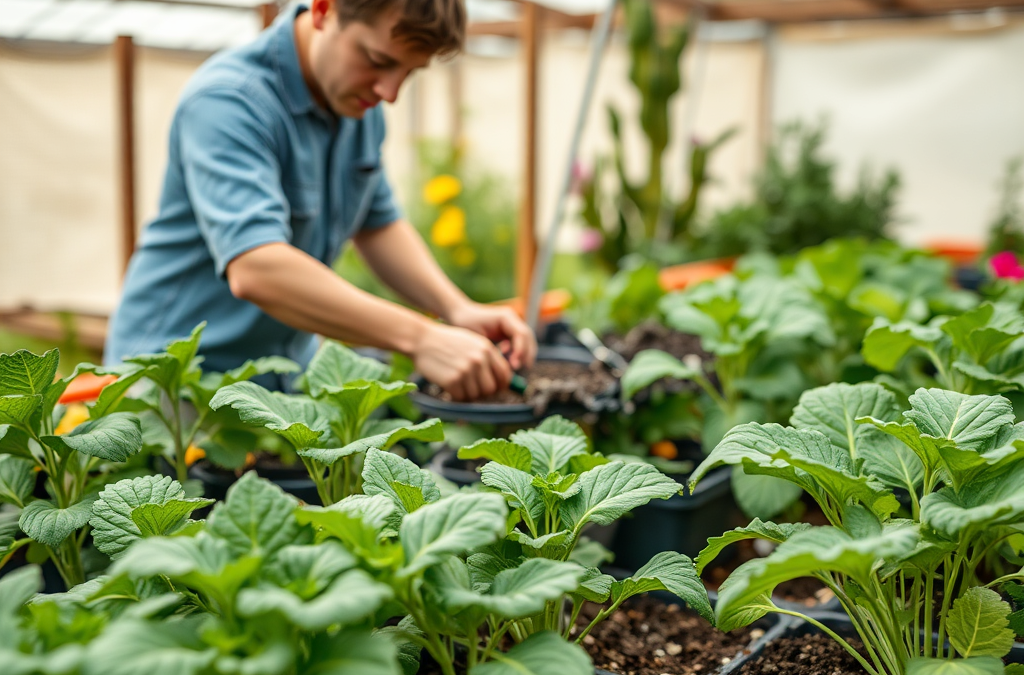
Companion planting has a profound impact on vegetable health by promoting growth, enhancing pest resistance, and improving nutrient absorption. For instance, pairing tomatoes with basil not only elevates the flavor of the tomatoes but also helps fend off common pests. Additionally, legumes can enrich the soil by fixing nitrogen, benefiting neighboring plants. Gardeners should consider these beneficial pairings to create a thriving ecosystem, ultimately leading to healthier plants and increased yields. Embracing companion planting strategies can transform a standard garden into a more productive and resilient space.
Understanding Companion Planting
Companion planting involves pairing different plants in close proximity to enhance growth and health. This ancient agricultural practice is based on the idea that certain plants can benefit each other through various mechanisms, such as pest deterrence, improved nutrient uptake, and support for growth. By strategically selecting plant combinations, gardeners can create a more resilient ecosystem within their vegetable gardens, leading to healthier plants and potentially higher yields.
Benefits of Companion Planting
The benefits of companion planting are diverse and impactful. One of the primary advantages is natural pest control. For instance, marigolds are known to repel nematodes and other harmful insects, making them an excellent companion for various vegetables. Additionally, companion planting can improve soil health by promoting biodiversity and enhancing nutrient availability. Certain plants, like legumes, can fix nitrogen in the soil, enriching it for neighboring crops. Moreover, some combinations can lead to increased pollination and better fruit set, ultimately enhancing the overall health of the vegetable garden.
Common Companion Planting Pairings
Several well-documented companion planting pairings can significantly benefit vegetable health. For example, planting basil alongside tomatoes not only enhances the flavor of the tomatoes but also helps deter pests like aphids and whiteflies. Similarly, carrots and onions make a great pair, as the strong scent of onions can mask the aroma of carrots, keeping pests at bay. Another effective combination is corn, beans, and squash, often referred to as the “Three Sisters” in Native American agriculture. This trio supports each other’s growth: corn provides support for beans, beans fix nitrogen, and squash covers the ground, preventing weeds.
Practical Tips for Successful Companion Planting
To successfully implement companion planting in your vegetable garden, consider the following practical tips. First, research the specific needs of each plant, including sunlight, water, and nutrient requirements, to ensure compatibility. Secondly, observe the growth patterns and spacing of your plants; overcrowding can lead to competition for resources. Additionally, keep track of the success of your combinations and adjust as necessary. In summary, be mindful of potential negative interactions; not all plants thrive together, and some combinations can inhibit growth or attract pests instead of deterring them.
Frequently Asked Questions
What is companion planting?
Companion planting is the practice of growing different plants together to enhance growth, deter pests, and improve nutrient uptake.
How does companion planting improve vegetable health?
It improves vegetable health by promoting beneficial relationships among plants, such as natural pest control and nutrient enrichment.
What are some effective companion plant pairings?
Effective pairings include basil with tomatoes, carrots with onions, and the Three Sisters: corn, beans, and squash.
Can companion planting reduce the need for pesticides?
Yes, companion planting can reduce the need for pesticides by naturally deterring pests through plant relationships.
What should I consider when planning companion planting?
Consider each plant's growth needs, potential interactions, and spacing to ensure successful combinations.
Conclusion
Companion planting offers a practical approach to enhancing vegetable health through strategic plant pairings. By understanding the relationships between plants, gardeners can create a more resilient ecosystem that supports growth, deters pests, and improves nutrient availability. Prioritizing effective combinations and being mindful of each plant’s needs will lead to a thriving vegetable garden.


