
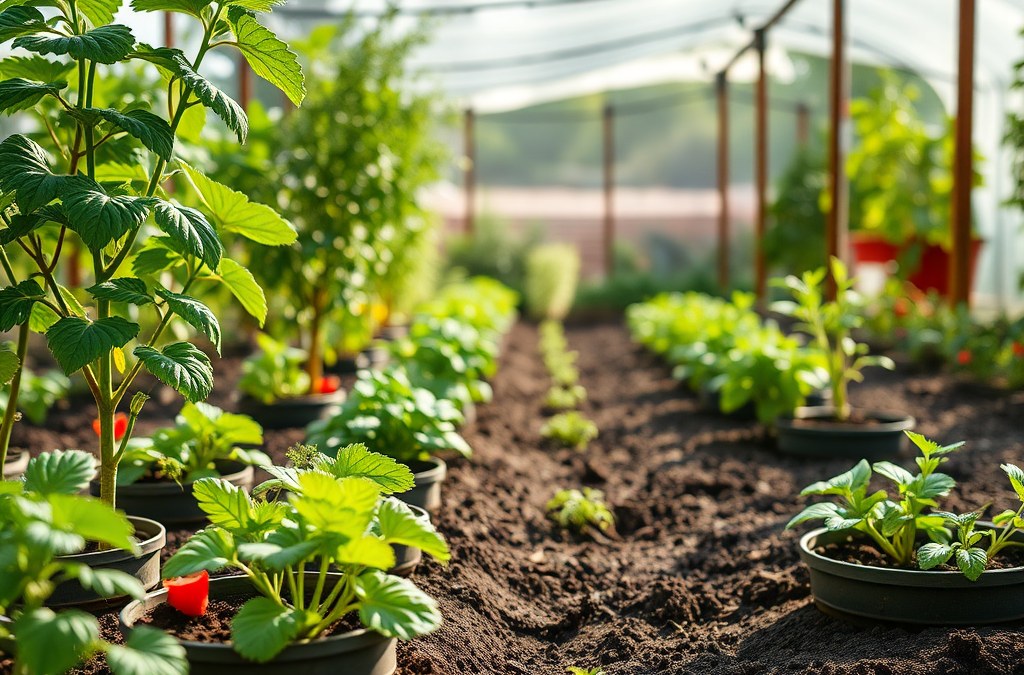
To create a successful vegetable garden layout, begin by selecting a sunny location with well-draining soil. Proper plant spacing is essential; research the specific requirements for each vegetable to ensure they have enough room to grow without overcrowding. Incorporate companion planting to enhance growth and deter pests, and consider seasonal rotation to maintain soil health and fertility. Avoid common pitfalls like neglecting drainage or planting in shaded areas, as these can severely impact your garden's productivity. By following these strategies, you can cultivate a thriving vegetable garden that yields abundant harvests.
Choosing the Right Location
Choosing the right location for your vegetable garden is crucial for success. A site that receives at least 6-8 hours of sunlight daily is ideal for most vegetables, as sunlight directly affects plant growth and productivity. Consider the proximity to water sources, as easy access for irrigation is essential during dry spells. Additionally, good drainage is vital; avoid areas where water tends to pool after heavy rains. Soil type also matters; sandy loam is generally best for vegetables due to its balance of drainage and nutrient retention. Assessing these factors will set a solid foundation for your garden.
Common mistakes include selecting shaded areas or locations prone to flooding. Such conditions can stunt growth and lead to plant diseases. Prioritize an open space with good air circulation to minimize humidity and reduce disease incidence.
Understanding Plant Spacing
Effective plant spacing is essential for maximizing the yield and health of your vegetable garden. Each vegetable variety has specific spacing requirements that ensure adequate airflow, sunlight exposure, and soil nutrient access. For example, leafy greens like lettuce can be planted closer together than larger plants such as tomatoes or squash. Research the recommended spacing for each type of vegetable you plan to grow.
Another important factor is the vertical growth potential of plants. Utilizing trellises for climbing varieties such as cucumbers can free up ground space for other crops, enhancing your garden’s productivity. A common mistake is overcrowding plants, which can lead to competition for resources and increased susceptibility to pests and diseases. Proper spacing not only supports healthy growth but also simplifies maintenance tasks like weeding and harvesting.
Companion Planting Techniques
Companion planting is a strategic approach that involves pairing plants that benefit each other when grown together. For instance, planting marigolds alongside tomatoes can deter harmful insects, while beans can fix nitrogen in the soil, benefiting neighboring plants. Understanding which plants thrive together can enhance overall garden health and yield.
Additionally, some plants can provide shade or wind protection for more delicate varieties, creating a microclimate that supports diverse growth. A common misconception is that all plants can coexist without issues; however, some combinations can hinder growth or attract pests. Research companion planting guides to optimize your layout and take advantage of these beneficial relationships.
Seasonal Rotation Strategies
Implementing seasonal rotation is a vital practice to maintain soil health and prevent pest build-up. Rotating crops each season helps avoid depleting specific nutrients in the soil and reduces the risk of diseases associated with particular plants. For example, following heavy feeders like tomatoes with nitrogen-fixing legumes can rejuvenate the soil.
Planning your garden layout with rotation in mind encourages a diverse ecosystem and promotes sustainability. A common mistake made by gardeners is planting the same crops in the same spot year after year, which can lead to nutrient deficiencies and increased pest problems. Keep detailed records of your planting history to aid in effective crop rotation.
Frequently Asked Questions
What is the best way to plan a vegetable garden layout?
Start by selecting a sunny location, then plan your layout with adequate spacing, considering companion planting and seasonal rotation.
How much space do I need between vegetable plants?
Spacing varies by plant; generally, smaller plants like lettuce can be closer together, while larger plants like tomatoes need more space to grow.
What are some examples of beneficial companion plants?
Examples include marigolds with tomatoes to deter pests, and beans with corn to improve nitrogen levels in the soil.
Why is crop rotation important in gardening?
Crop rotation prevents nutrient depletion in the soil and reduces the risk of pest and disease build-up associated with specific crops.
How can I improve soil health for my vegetable garden?
Enhance soil health by adding organic matter like compost, practicing crop rotation, and avoiding planting the same crops in the same location each year.


