
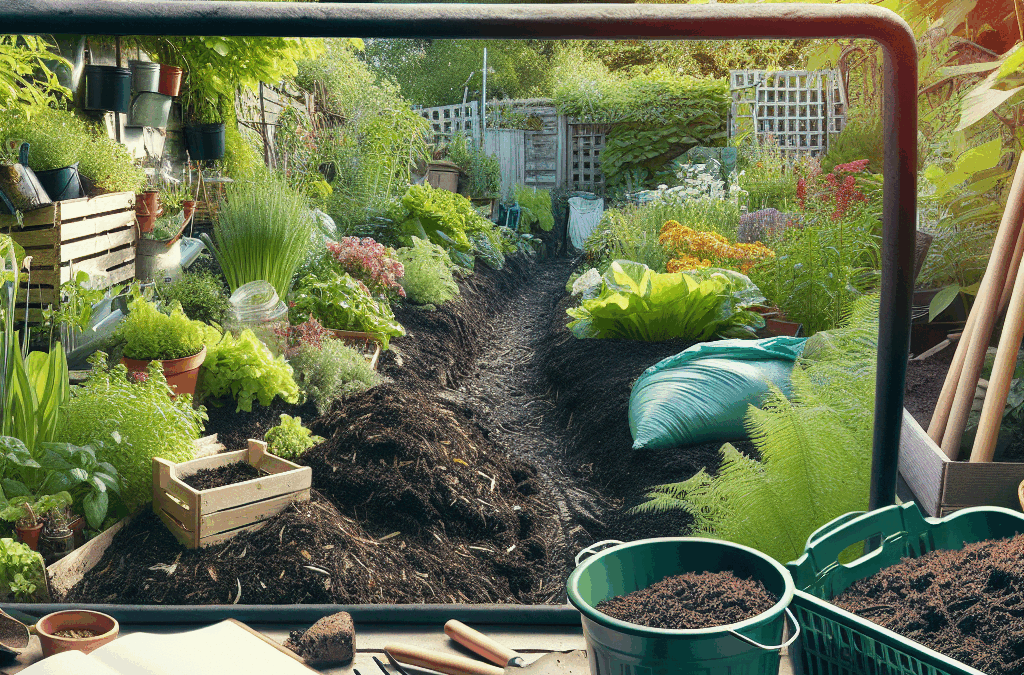
To manage weeds in an organic garden, employ strategies like mulching, hand-pulling, and using organic herbicides. Mulching suppresses weed growth by blocking light and retaining moisture, while hand-pulling allows for targeted removal. Organic herbicides can be used as a last resort, though they should be applied carefully to avoid harming desired plants. Regular monitoring and maintaining healthy soil can significantly reduce weed issues.
Understanding Weeds and Their Impact
Weeds are unwanted plants that compete with your garden crops for nutrients, water, and sunlight. Understanding the types of weeds common in organic gardening is essential for effective management. Weeds can be broadly categorized into annuals, biennials, and perennials, each requiring different management strategies. Annual weeds, like crabgrass, complete their life cycle in one growing season, while perennials, such as dandelions, can return year after year unless properly managed.
The presence of weeds not only limits the growth of your desired plants but can also harbor pests and diseases, leading to further issues in your garden. Effective weed management is crucial for maintaining a healthy, productive organic garden.
Preventive Measures for Weeds
Preventing weeds from taking root in the first place is the most effective strategy in organic gardening. One of the best ways to prevent weeds is through proper soil management. Healthy soil promotes robust plant growth, which can outcompete weeds. Consider implementing crop rotation, which disrupts weed life cycles and reduces their prevalence.
Additionally, using cover crops during the off-season can help suppress weed growth. Cover crops, such as clover or rye, provide ground cover and can be tilled back into the soil to improve its quality. Moreover, spacing plants appropriately allows for better air circulation and sunlight penetration, reducing the likelihood of weed establishment.
Manual Control Techniques for Weeds
Manual control is a straightforward and effective method for managing weeds in an organic garden. Hand-pulling is a common practice, especially for small infestations. Pulling weeds when they are young and before they set seed can drastically reduce their numbers. It’s best to do this after a rain when the soil is moist, making it easier to remove the entire root.
Another manual technique is hoeing, which can be particularly effective for annual weeds. A sharp hoe can slice through weeds just below the soil surface, minimizing disturbance to your garden plants. Regular hoeing sessions can keep weed populations in check.
Using Organic Herbicides Safely
When manual methods are insufficient, organic herbicides can be used as a last resort to manage stubborn weeds. These products are derived from natural sources and are designed to minimize harm to the surrounding ecosystem. Common organic herbicides include vinegar, salt, and corn gluten meal.
However, caution is necessary when applying organic herbicides. Always read the labels and apply them selectively to avoid damaging desirable plants. Timing also plays a crucial role; applying herbicides during dry, sunny conditions can enhance their effectiveness. Remember, the goal is to manage weeds without compromising the organic integrity of your garden.
Maintaining Garden Health to Reduce Weeds
Maintaining the overall health of your garden is vital for effective weed management. Healthy, vigorous plants compete better against weeds. Regularly amend your soil with organic matter such as compost to improve its structure and fertility. This practice not only supports plant growth but also helps suppress weed seeds in the soil.
Furthermore, monitoring your garden for weed growth and addressing any infestations promptly can prevent larger problems down the line. Regular inspections and maintenance can ensure that weeds do not gain a foothold in your organic garden.
Frequently Asked Questions
What are the best organic methods to control weeds?
Effective organic methods include mulching, hand-pulling, and using cover crops to suppress weed growth.
How often should I pull weeds in my garden?
Regularly check and pull weeds, ideally once a week, to prevent them from seeding and spreading.
Can I use vinegar as an organic herbicide?
Yes, vinegar can be used as an organic herbicide, but apply it carefully to avoid harming desired plants.
What is the impact of weeds on vegetable growth?
Weeds compete for resources, potentially stunting the growth and yield of vegetable plants.
Are there any preventive measures to avoid weeds?
Preventive measures include using mulch, proper soil management, and planting cover crops during the off-season.
Conclusion
Managing weeds in an organic garden requires a combination of preventive measures, manual techniques, and careful use of organic herbicides. By understanding the types of weeds and their impact, you can implement effective strategies that promote healthy plant growth while minimizing the presence of unwanted vegetation. Regular maintenance and monitoring of your garden’s health will not only help control weeds but also enhance the overall productivity of your organic garden.


