
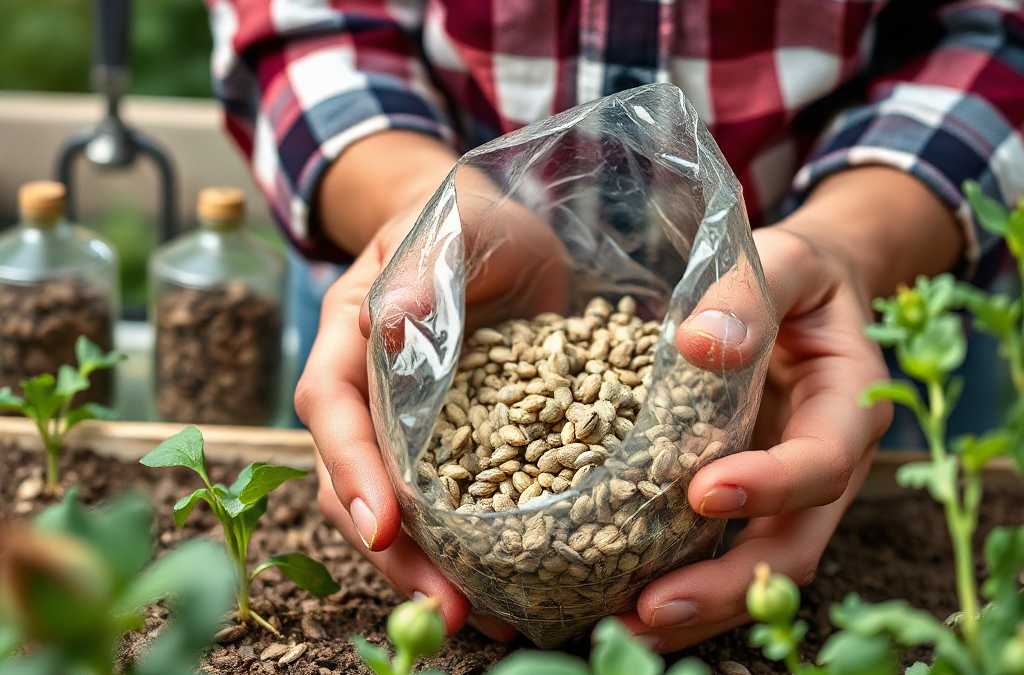
To save seeds from your vegetable garden, choose healthy, mature plants and harvest seeds at the right time, ensuring they are dry and clean. Store them in a cool, dark place in airtight containers to maintain viability for future planting. Understanding the specific needs of different vegetables is crucial, as some may require unique handling or storage conditions. Proper seed saving not only helps preserve your favorite varieties but also contributes to sustainable gardening practices.
Understanding the Importance of Seed Saving
Seed saving is a vital practice for any gardener, as it allows for the preservation of plant varieties that may be well-suited to your local climate and soil conditions. By saving seeds, gardeners can maintain biodiversity in their gardens, reduce dependency on commercial seed sources, and save money on future gardening expenses. Additionally, this practice encourages a deeper connection to the gardening process, as it involves understanding plant life cycles, pollination, and the specific traits that make certain varieties desirable.
Moreover, saving seeds contributes to sustainable gardening practices, as it helps to promote resilience in plant populations. This is particularly important in the face of climate change, where certain varieties may be better adapted to fluctuating conditions. By cultivating and saving seeds from the best-performing plants, gardeners can ensure that they have access to robust varieties that thrive in their unique environments.
Choosing the Right Plants for Seed Saving
Not all plants are suitable for seed saving, so it’s essential to select varieties that are known for their seed viability and quality. Heirloom varieties are often the best choice, as they have been passed down through generations and are more likely to produce seeds that will grow true to type. Hybrid plants, on the other hand, may not produce seeds that retain the characteristics of the parent plants, making them less reliable for seed saving.
When deciding which plants to save seeds from, consider factors such as disease resistance, yield, and flavor. It’s also crucial to choose plants that are open-pollinated, meaning they have been pollinated naturally by wind or insects, rather than through controlled breeding methods. This ensures genetic diversity and the preservation of desirable traits.
Additionally, look for plants that have shown strong performance in your garden. For instance, if a particular tomato plant produced an abundant harvest despite adverse weather conditions, it may be an excellent candidate for seed saving. Observing the plants throughout the growing season will help identify which ones are best suited for future cultivation.
Techniques for Harvesting Seeds
Once you’ve chosen the right plants, the next step is to harvest the seeds at the appropriate time. Timing is crucial, as seeds need to be fully mature to ensure successful germination. For most plants, seeds are ready to harvest when the fruit or flower has dried on the plant. However, some seeds should be collected before they fall to the ground.
For example, to collect seeds from beans or peas, allow the pods to dry on the plant until they are brown and brittle. Once harvested, gently open the pods and remove the seeds. For flowers like sunflowers, wait until the flower heads are brown and the seeds are plump, then cut them off and allow them to dry further before extracting the seeds.
After harvesting, it’s essential to clean the seeds thoroughly to remove any plant debris or pulp. This can typically be done by rinsing the seeds under cool water and then laying them out to dry on a clean paper towel. Ensuring that the seeds are completely dry before storage is critical to prevent mold and decay.
Proper Seed Storage Methods
After harvesting and cleaning your seeds, the next step is to store them properly to maintain their viability for future planting. The ideal storage conditions include a cool, dark, and dry environment. Airtight containers, such as glass jars or sealed plastic bags, work well to protect seeds from moisture and pests.
Label each container with the plant variety and date of harvest to keep track of your seeds. This information is crucial, as seed viability can decrease over time. Most seeds can last several years if stored correctly, but it is always wise to test germination rates before planting old seeds.
For long-term storage, consider using a refrigerator or freezer, as these environments can significantly extend seed life. However, be cautious of moisture when using cold storage; ensure that seeds are completely dry before placing them in a refrigerator or freezer to avoid condensation.
Frequently Asked Questions
What types of seeds are best for saving?
Heirloom and open-pollinated seeds are the best choices for saving, as they will produce plants true to type.
How do I know when to harvest seeds?
Seeds should be harvested when the fruit or flower is fully mature and has dried on the plant. Look for signs like browning and brittleness.
What is the best way to store seeds?
Store seeds in a cool, dark, and dry place in airtight containers, and label them with the variety and harvest date.
How long can I store seeds?
Most seeds can last several years if stored properly, but viability decreases over time, so testing germination rates is recommended.
Can I save seeds from hybrid plants?
It's not recommended to save seeds from hybrid plants, as they often do not produce offspring that are true to type.


