
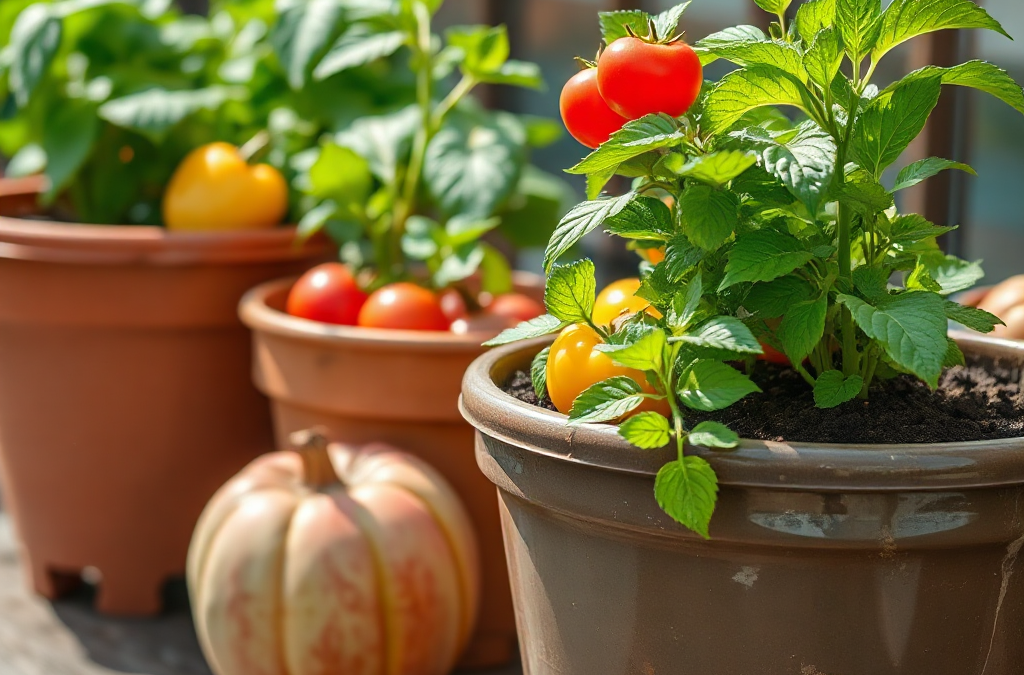
Growing vegetables successfully in containers requires selecting the right plants, using quality soil, and ensuring adequate sunlight and water. Start by choosing vegetables that thrive in confined spaces, such as tomatoes, peppers, and lettuce. Use a high-quality potting mix that retains moisture while providing good drainage. Ensure your containers receive at least six hours of sunlight daily and water consistently, allowing the soil to dry slightly between waterings. Monitor for pests and diseases to maintain healthy plants.
Choosing the Right Containers for Vegetables
When growing vegetables in containers, the choice of container is crucial for success. Containers should be large enough to accommodate the root systems of the plants, with adequate drainage holes to prevent waterlogging. Common materials include plastic, clay, and ceramic, each offering different benefits. Plastic containers are lightweight and retain moisture well, while clay pots provide excellent aeration but can dry out quickly. Choose a size that allows room for growth; for instance, tomatoes typically require 5-gallon containers, whereas herbs can thrive in smaller pots.
It’s essential to consider the placement of containers, as well. Ensure they can be easily moved to capture the best sunlight throughout the day. Additionally, placing containers on trays or using self-watering pots can help manage moisture levels effectively, reducing the need for constant watering.
Selecting Suitable Vegetables for Container Growth
Not all vegetables are suitable for container gardening, so selecting the right varieties is key. Vegetables that grow well in containers typically have smaller root systems or grow vertically, minimizing space usage. Ideal choices include:
- Tomatoes: Particularly dwarf or determinate varieties.
- Peppers: Both sweet and spicy varieties thrive in pots.
- Lettuce and Greens: Fast-growing and can be harvested multiple times.
- Radishes: Quick-growing and ideal for shallow containers.
- Herbs: Such as basil, parsley, and cilantro, which can be grown alongside vegetables.
When selecting vegetables, consider your climate and growing conditions. Some plants may require more warmth or light than others, so understanding their specific needs will increase your chances of success.
Soil and Fertilization Strategies
The right soil mix is vital for container vegetable gardening. A high-quality potting mix that retains moisture yet drains well is ideal. Avoid using garden soil, as it can compact in containers and deprive roots of oxygen. Instead, look for a mix that includes peat moss, vermiculite, or perlite for aeration.
Fertilization is also essential since nutrients can leach out of potting mixes more quickly in containers than in ground gardens. Use a balanced, slow-release fertilizer to provide necessary nutrients over time. Alternatively, consider organic options like compost or worm castings, which can enhance soil health and fertility. Regularly check for signs of nutrient deficiencies, such as yellowing leaves, and adjust your fertilization strategy accordingly.
Watering and Sunlight Requirements
Watering container vegetables requires careful attention. Containers can dry out quickly, especially in warm weather, so it’s vital to monitor moisture levels. Water thoroughly until it drains from the bottom, ensuring the roots receive adequate hydration. A general rule is to water when the top inch of soil feels dry. Consider using self-watering containers or drip irrigation systems to maintain consistent moisture.
Sunlight is another critical factor for growing vegetables successfully in containers. Most vegetables need at least six hours of direct sunlight daily to thrive. Position containers in the sunniest spots in your garden or balcony, and be prepared to move them if necessary to optimize light exposure throughout the growing season.
Common Mistakes to Avoid
Even seasoned gardeners can make errors when growing vegetables in containers. Here are some common pitfalls to watch out for:
- Overwatering: This can lead to root rot. Ensure containers have proper drainage and only water when necessary.
- Underestimating Size: Choosing containers that are too small can stunt plant growth. Always opt for larger containers when in doubt.
- Ignoring Sunlight Needs: Not all vegetables require the same amount of light. Research the specific needs of your chosen plants.
- Neglecting Fertilization: Container soils deplete nutrients faster than garden soils. Regular feeding is crucial for healthy growth.
- Planting Too Close Together: Overcrowding can limit airflow and increase the risk of disease.
By being aware of these common mistakes, you can enhance your chances of achieving a bountiful vegetable harvest from your containers.
Frequently Asked Questions
What vegetables grow best in containers?
Vegetables such as tomatoes, peppers, lettuce, and herbs are ideal for container gardening due to their smaller root systems.
How often should I water container vegetables?
Water container vegetables when the top inch of soil feels dry, typically every few days, depending on weather conditions.
Do I need to fertilize container vegetables?
Yes, regular fertilization is necessary since nutrients leach out of potting mixes more quickly in containers.
What size containers are best for growing vegetables?
Containers should be at least 5 gallons for larger plants like tomatoes, while smaller plants can thrive in 2-3 gallon pots.
Can I grow vegetables indoors in containers?
Yes, many vegetables can be grown indoors in containers, provided they receive enough sunlight or are supplemented with grow lights.
Further Reading
Authoritative Sources
Conclusion
Growing vegetables successfully in containers is an achievable goal with the right strategies. Focus on selecting appropriate containers, suitable vegetable varieties, and maintaining proper watering and fertilization practices. By avoiding common mistakes and understanding the specific needs of your plants, you can enjoy a fruitful harvest even in limited spaces. Start your container garden today, and reap the benefits of fresh, homegrown vegetables.
Further Reading
Authoritative Sources
- Container Vegetable Gardening For Beginners
scottsmiraclegro.comThe first step in growing vegetables in pots is choosing the right container size. The ideal size depends on the type of vegetable you are growing. With plants ...
- Growing Vegetables in Containers
growveg.comIn these articles we cover the essential steps you'll need to take to get a great harvest from plants grown in pots, window boxes, sacks and other containers.
- Proven High Yield Container Gardening Tips for Small ...
wiredhomestead.comA: Consistency is key. Water regularly, fertilize as needed, and prune or harvest crops frequently to encourage new growth. Rotate containers ...
- Container Gardening for Vegetables- Everything You Need ...
melissaknorris.comEnsure all containers have adequate drainage capacity · Start with good, healthy soil · Add compost or fertilizer · Plant according to best ...


