
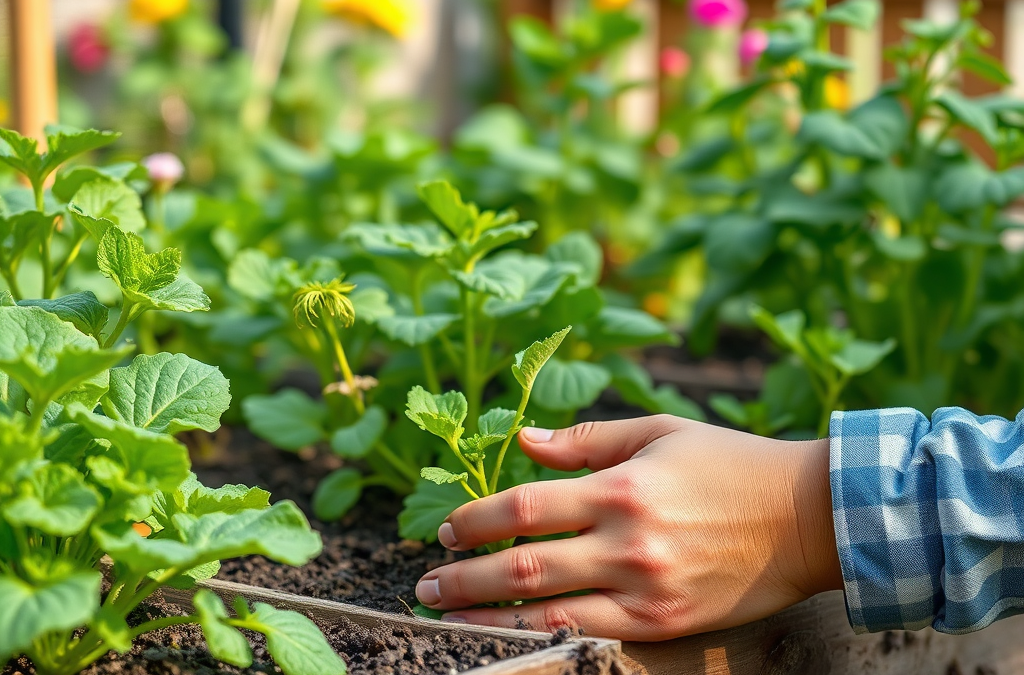
To maintain moisture levels in vegetable gardens, implement strategies like mulching, efficient irrigation, and soil amendments. Mulching with organic materials not only conserves moisture but also stabilizes soil temperature, which is essential for plant health. Utilizing drip irrigation ensures that water reaches the roots directly, reducing evaporation and preventing waterlogging. Additionally, regularly checking soil moisture can help avoid the pitfalls of over or under-watering, leading to robust plant growth and improved yields.
Understanding Soil Moisture Retention
Soil moisture retention is crucial for vegetable gardens as it directly impacts plant health and yield. Healthy soil structure allows for better water infiltration and retention, ensuring that plants have access to the moisture they need to thrive. Different soil types have varying capacities for holding moisture; for instance, clay soils retain water longer than sandy soils. Understanding these characteristics helps gardeners tailor their moisture management practices effectively.
One common mistake is assuming that all soils retain moisture equally. For example, sandy soils, while well-draining, often require more frequent watering to maintain adequate moisture levels. Conversely, compacted soils can hinder water infiltration, leading to pooling and root rot. Regular soil testing can help identify moisture retention properties and inform appropriate adjustments to watering practices.
Effective Irrigation Techniques
Implementing effective irrigation techniques is essential for maintaining optimal moisture levels in vegetable gardens. Drip irrigation systems are particularly beneficial as they deliver water directly to the root zone, minimizing evaporation and runoff. This method not only conserves water but also promotes deeper root growth, which is vital for plant stability and resilience.
Another effective technique is using a soaker hose, which allows water to seep slowly across the soil surface. This method is especially useful for large garden beds where traditional watering methods may not be efficient. Gardeners should also consider the timing of irrigation; watering early in the morning or late in the evening reduces evaporation loss compared to watering during the hottest parts of the day.
It’s important to monitor weather conditions and adjust watering schedules accordingly. For instance, during periods of heavy rainfall, reduce irrigation frequency to prevent over-saturation. Conversely, during dry spells, increase watering to ensure plants receive adequate moisture.
The Role of Mulching
Mulching plays a vital role in moisture retention within vegetable gardens. A layer of organic mulch, such as straw, wood chips, or grass clippings, helps to insulate the soil, reducing evaporation and keeping root systems cooler. Additionally, mulch suppresses weed growth, which can compete for moisture and nutrients.
When applying mulch, aim for a thickness of 2 to 4 inches around plants, ensuring it does not touch the stems to prevent rot. As the mulch decomposes, it also enriches the soil with organic matter, further enhancing moisture retention capabilities.
One common misconception about mulching is that it eliminates the need for watering altogether. While mulch does help retain moisture, regular monitoring and watering are still necessary, especially during dry periods. Incorporating a variety of mulch materials can also enhance the aesthetic appeal of the garden while providing functional benefits.
Using Soil Amendments
Soil amendments can significantly improve moisture retention in vegetable gardens. Adding organic matter, such as compost, increases the soil’s ability to hold water and nutrients. Compost not only enriches the soil but also enhances its structure, promoting better drainage and aeration.
Other amendments, such as peat moss or coconut coir, can be mixed into the soil to improve moisture retention. These materials expand when wet, creating spaces for water retention and allowing roots to access moisture more effectively. When using amendments, it’s essential to mix them thoroughly into the soil to achieve uniform moisture retention properties.
It’s worth noting that while amendments improve moisture retention, they should be used judiciously. Over-amendment can lead to nutrient imbalances and unintended consequences, such as attracting pests. Therefore, regular soil testing is recommended to guide amendment practices based on specific garden needs.
Frequently Asked Questions
What is the best time to water vegetable gardens?
The best time to water vegetable gardens is early in the morning or late in the evening to minimize evaporation losses.
How often should I check soil moisture?
Check soil moisture at least once a week, or more frequently during hot, dry spells to ensure plants receive adequate water.
Can I use synthetic mulch in my vegetable garden?
While synthetic mulch can suppress weeds, it does not provide the same benefits as organic mulch, such as improving soil health and moisture retention.
What are signs of over-watering in vegetable gardens?
Signs of over-watering include yellowing leaves, wilting despite wet soil, and root rot. Ensure proper drainage to avoid these issues.
How can I improve drainage in my garden?
Improve drainage by incorporating organic matter into the soil, creating raised beds, or using a soaker hose for controlled watering.
Conclusion
Maintaining moisture levels in vegetable gardens is essential for optimal plant growth and yield. By understanding soil properties, implementing effective irrigation techniques, utilizing mulch, and incorporating soil amendments, gardeners can create an environment that supports healthy vegetables. Regular monitoring and adjustments based on weather conditions will further enhance moisture management efforts, leading to a thriving garden.


