
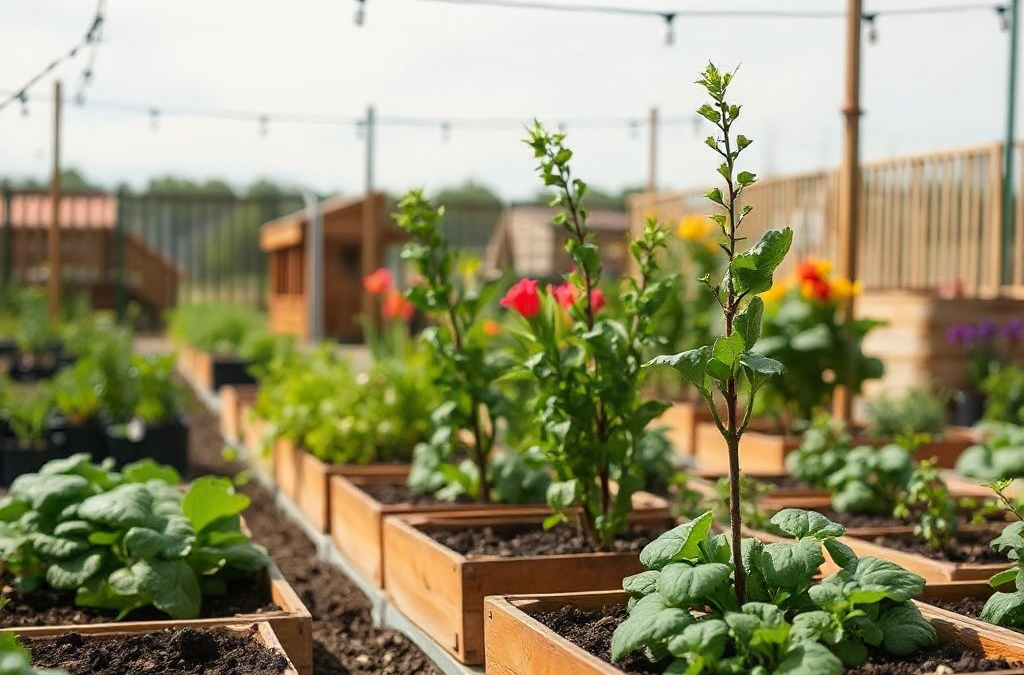
Create a successful community garden by securing a suitable site, forming a reliable organizing group, setting clear plot and water rules, and matching the planting plan to local conditions. Confirm land access in writing, test the soil before growing food, and budget for water, tools, fencing, insurance, and shared maintenance. A simple membership agreement should explain fees, work expectations, plot use, conflict handling, and what happens when a gardener stops participating. Begin with a manageable number of plots and expand only after the group can maintain paths, compost, irrigation, and communication consistently.
Choose A Viable Site And Confirm Permission
A community garden succeeds or fails largely on the quality of its site agreement. A sunny vacant lot may appear ideal, but access, drainage, water availability, ownership, and future development plans matter just as much as growing space. Before recruiting a large membership, identify the landowner, confirm who can authorize the project, and put the arrangement in writing. A short-term verbal promise creates serious risk if the property changes hands or construction begins.
Inspect the site at different times of day. Most food crops need several hours of direct sunlight, while nearby buildings and mature trees can create shade or competing roots. Notice standing water after rain, steep slopes, damaged fencing, illegal dumping, vehicle access, and the distance to a dependable water source. If the site has a history of industrial activity, heavy traffic, demolition, or unknown fill, arrange appropriate soil testing before deciding whether food production is suitable. University extension services and public agricultural agencies can help interpret test results and identify sensible alternatives, such as raised beds with imported soil.
Location also determines who can participate. A garden beside a bus route, community center, or apartment area may serve more residents than a larger but isolated parcel. Safe paths, clear entrances, and space for turning tools or mobility devices make participation easier. Compare a fenced lot with nearby water but difficult access against an open lot with excellent visibility but no irrigation. The first may cost more to improve, while the second can consume volunteer energy through daily hauling.
Prepare a basic site file before making commitments. Include the owner’s contact details, permission period, proposed boundaries, water arrangement, utility information, insurance or liability questions, and a plan for removing structures if the agreement ends. A successful project is not necessarily the one with the biggest footprint; it is the one whose land, access, and operating costs the group can realistically sustain.
Build Governance Before Assigning Plots
Clear governance turns a group of interested neighbors into an organization that can make decisions when priorities conflict. Form a small launch committee with defined responsibilities for finance, site coordination, communications, membership, and maintenance. The committee does not need elaborate bureaucracy, but it should record decisions, maintain a shared budget, and make it clear who can approve purchases or speak for the garden.
Write the operating rules before distributing plots. They should cover eligibility, plot size, fees, work expectations, approved materials, watering practices, tool borrowing, harvest boundaries, children and guests, accessibility, missed maintenance, and the process for resolving disputes. Explain what happens when a plot is abandoned. A garden that waits until midsummer to address weeds or unpaid fees usually creates personal conflict rather than solving an operational problem.
Use a membership agreement that is specific but not unnecessarily punitive. For example, gardeners might receive a reminder after an unattended plot becomes overgrown, followed by a defined correction period and reassignment process. Shared labor can be organized through scheduled workdays, rotating duties, or a modest maintenance contribution. Each option has a tradeoff: workdays build relationships but may exclude people with irregular schedules, while paid maintenance is predictable but requires reliable funding.
Representation should reflect the people the garden intends to serve. Offer more than one way to register, communicate meeting decisions in accessible language, and avoid assuming every gardener has the same experience, time, mobility, or ability to pay. A plot fee may cover water and supplies, but a sliding scale, sponsored plots, or donated tools can reduce barriers without leaving the budget undefined. Link members to how to create a successful community garden resources only when they add a specific planning detail rather than repeating the same overview.
One common mistake is treating enthusiasm as a management system. A full sign-up sheet does not guarantee that paths will be weeded, invoices paid, or conflicts handled. Assign named owners to recurring tasks, set meeting dates, and keep a visible calendar so responsibility does not disappear into a general appeal for volunteers.
Design The Garden Around Water, Access, And Soil
Design the physical layout around daily work rather than an idealized map of planting beds. Place the water source where hoses or lines can reach the growing areas without crossing main paths, and include shutoff points so a leak does not affect the entire site. Wide, stable paths reduce compaction and make carts, wheelbarrows, and mobility aids easier to use. Leave room for compost, tool storage, deliveries, and gathering without forcing those activities into planting space.
Test the soil before building a food-growing system. A basic test can reveal pH, organic matter, and nutrient conditions, while site history may indicate a need for additional contaminant screening. Do not assume that dark soil is safe or that adding compost will correct every problem. Where soil quality is uncertain, lined or contained beds with known growing media may be a practical choice, although they require more initial materials and ongoing replenishment.
Water planning deserves more attention than decorative features. A tap may provide enough water for a few beds but become inadequate when dozens of gardeners irrigate during a hot spell. Drip systems can reduce evaporation and keep paths drier, but they need filtration, inspection, and careful scheduling. Hand watering offers flexibility for individual plots yet creates uneven labor and may lead to neglected plants. Choose the system that matches the group’s ability to maintain it, not merely the system with the lowest purchase price.
Use a simple priority order when money is limited:
- Confirm safe soil and dependable water.
- Build accessible paths, boundaries, and drainage features.
- Provide secure tool storage and basic shared equipment.
- Add signs, seating, pollinator beds, or decorative improvements afterward.
Watch for signs that the design is failing: muddy paths, exposed hoses, water pressure problems, locked tools that nobody can access, or beds placed so close together that maintenance becomes awkward. A smaller layout with reliable infrastructure is usually more productive than a crowded plan that volunteers cannot service.
Launch With A Maintainable Growing Plan
The first growing season should demonstrate dependable routines, not maximize the number of crops. Ask members what they want to grow, then compare those preferences with the climate, planting calendar, available water, and skill level. A mix of quick crops, long-season crops, herbs, flowers, and a few shared plantings can provide visible progress while spreading labor across the season.
Give each plot a clear boundary and a simple planting record. Shared areas need the same clarity: label communal beds, name the people responsible for them, and decide whether harvest is reserved for members, donated, or divided between both. Without an agreed harvest process, crops may be picked too early, left to spoil, or claimed by whoever arrives first. A written system prevents a generous idea from becoming a source of resentment.
Choose crops according to maintenance capacity. Perennial herbs or native flowers may need less seasonal replanting, while tomatoes, squash, and other vigorous crops can demand support, pruning, pest checks, or substantial watering. A garden serving beginners may do better with fewer high-maintenance crops than an advanced plan designed around maximum variety. Shared seedlings can lower costs, but they also create a single point of failure if disease or poor timing affects the entire batch.
Plan for pests without treating every insect as an emergency. Regular observation, clean pathways, crop diversity, physical barriers, and prompt removal of severely affected material may reduce pressure. If a pesticide is considered, follow the product label and use information from appropriate official sources such as the community garden planning materials linked through the project’s education resources. Avoid informal recommendations that ignore pollinators, edible-crop intervals, children, pets, or neighboring plots.
Measure progress with practical indicators: attendance at work sessions, functioning irrigation, plot condition, compost volume, member retention, and whether planned harvests are actually used. A disappointing first season may reflect overambitious scope rather than poor gardening. Reduce the number of shared beds or crops before concluding that the entire model has failed.
Keep Participation Reliable Over Time
Long-term success depends on making routine participation visible, manageable, and worthwhile. Publish a seasonal calendar with planting dates, work sessions, inspections, fee deadlines, and community events. Send reminders through channels members already use, and keep a paper notice at the site when digital communication would exclude some participants. People are more likely to contribute when they know exactly what is needed and how long the task should take.
Use short inspections to catch small problems before they become disputes. Check water lines, locks, paths, compost, signs, and plot condition on a regular schedule. Record maintenance issues neutrally and contact the responsible gardener privately before announcing a consequence. The goal is to protect shared standards while leaving room for illness, travel, family demands, or accessibility needs. A rigid rule can remove committed gardeners; no rule at all can burden the most reliable volunteers.
Financial transparency protects trust. Keep receipts, show how fees are spent, and separate one-time construction costs from recurring expenses such as water, replacement tools, soil amendments, and waste removal. Grants or donations may fund installation but not annual upkeep. Build a modest reserve before adding improvements, because a broken hose or damaged fence often matters more than a new feature.
Resolve disagreements through a defined sequence: clarify the rule, hear each person’s account, identify the effect on the shared garden, and agree on a documented next step. If the rules are repeatedly challenged, revise them through a member vote rather than allowing informal exceptions. Revisit the agreement after the first season using specific evidence: which duties were completed, where water was wasted, which fees were unrealistic, and whether plot sizes matched actual availability.
A useful project review can also include community garden maintenance ideas that fit the site’s actual workload. Expansion should follow demonstrated capacity, not demand alone. Adding plots before the current garden is orderly usually magnifies neglected beds, equipment shortages, and communication problems.
Frequently Asked Questions
How much land does a community garden need?
There is no fixed minimum. Begin with the space needed for safe paths, water access, shared facilities, and a manageable number of plots rather than filling every available area.
Should community gardeners use individual plots or shared beds?
Individual plots provide ownership and flexibility, while shared beds simplify production for donations or group crops. A combination often serves mixed skill levels best.
What should be tested before growing food?
Test basic soil conditions and investigate the site’s history. Additional screening may be appropriate where contamination from industry, traffic, demolition, or unknown fill is possible.
How can a garden handle members who stop maintaining their plots?
Use a written notice and correction period, provide reasonable accommodations where appropriate, and reassign the plot only under a previously agreed membership rule.
What is the most important first purchase?
Reliable water infrastructure usually deserves priority, followed by safe soil, accessible paths, secure storage, and tools. Decorative additions can wait until recurring needs are funded.
Conclusion
A durable community garden is built through dependable systems rather than enthusiasm alone. Secure the site in writing, investigate soil and water before planting, and create membership rules that explain both shared responsibilities and fair responses to missed work. Keep the first season small enough for volunteers to maintain paths, irrigation, compost, tools, and communal crops without exhaustion. Review the garden using evidence from attendance, expenses, plot condition, and harvest use, then adjust before expanding. The next practical step is to assemble a small planning group, inspect two or three possible sites, and produce a written budget and operating agreement for member feedback. That groundwork gives the garden a realistic chance to remain productive and welcoming beyond its opening season.


