
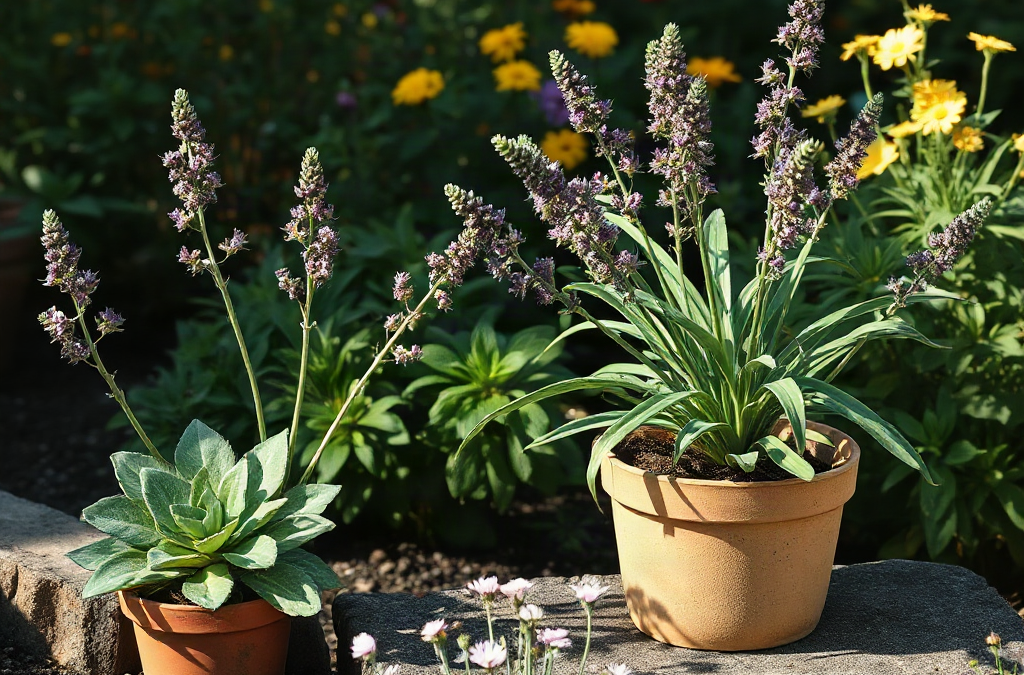
Select plants for your microclimate by matching each planting spot’s winter cold, summer heat, sunlight, wind, soil drainage, and moisture to the conditions the plant can tolerate. Measure the site rather than relying only on a broad hardiness zone: a south-facing wall may create extra heat, while a low pocket can collect frost and cold air. Check light at different times, observe water after rain, test soil drainage, and note exposure to reflected heat or drying wind. Then compare those observations with a plant’s mature size, seasonal needs, and local performance.
Read the Conditions of Each Planting Spot
A microclimate is the set of conditions affecting one small area, and it can differ substantially from the weather reported for an entire town. A bed beside a brick wall, a balcony exposed to wind, and a shaded corner beneath trees may all sit within the same property while offering different growing environments. Selecting suitable plants starts with describing those differences before visiting a nursery or ordering seeds.
Begin by mapping the garden into simple zones. Record where sunlight reaches the soil in the morning, midday, and late afternoon. Note whether cold air settles in a depression, whether a fence blocks prevailing wind, and whether pavement or masonry reflects heat. A frost-sensitive plant may survive beside a warm wall but fail in an open low spot. Conversely, a plant that tolerates full sun may struggle beside a south-facing surface where reflected heat raises leaf and root temperatures.
Drainage deserves early attention because it often determines whether a plant can survive an otherwise favorable location. Dig a test hole, fill it with water, and observe how quickly the water recedes after the soil has drained once. Very slow drainage may point toward compacted soil or a high-water site, while rapid loss can indicate sand, a raised bed, or a container that dries quickly. The best plant is not necessarily the one with the broadest tolerance; it is the one whose moisture needs fit the site without constant correction.
Do not treat a property-wide planting zone as a precise description of every bed. Use it as a starting point, then refine the decision with observations from the actual location. A short log covering sunny and cloudy days, rain, frost, and hot weather will reveal patterns that a single afternoon cannot.
Use Hardiness, Heat, and Seasonal Timing Together
Winter hardiness indicates how much cold a perennial, shrub, or tree may withstand, but it does not describe the entire growing environment. Two plants listed for the same hardiness zone can respond very differently to summer heat, humid nights, wet roots, or a sudden spring freeze. Read the hardiness information alongside heat tolerance, mature-season performance, and the plant’s preferred growing season.
Microclimates can either moderate or intensify temperatures. A wall that stores daytime heat may protect a fig or tender herb from light cold, yet the same wall can increase water loss during a heat wave. A shaded courtyard may stay cooler in summer but retain moisture and have poor air movement, conditions that favor fungal problems on susceptible foliage. A low area may be several degrees colder than nearby raised ground when dense cold air settles there.
Seasonal timing also changes the risk. A plant that performs well after soil warms may fail if planted into cold, saturated ground. Early flowering trees and shrubs can be damaged when a warm, sheltered position causes buds to open before a late frost. Warm-season vegetables may grow slowly in a cool exposed bed even when the calendar suggests that planting is appropriate.
When comparing candidates, give priority to plants with a reliable margin rather than a narrow chance of success. A marginal plant may be worthwhile in a protected courtyard if you accept winter wrapping, extra watering, or replacement after severe weather. It is a weaker choice for a remote bed where maintenance is infrequent. Nursery labels, local extension recommendations, and observations from established gardens can help, but conditions at your site still control the final decision.
Match Sunlight, Wind, Soil, and Water
Light should be measured at plant height and across the full day, not estimated from the appearance of the garden at noon. Buildings, deciduous trees, neighboring fences, and seasonal changes can shift a location from full sun to partial shade. Leafy crops such as lettuce may appreciate afternoon protection in a hot region, while fruiting crops generally need enough direct light to mature well. A plant label calling for sun usually assumes several hours of usable direct light, not merely a bright view of the sky.
Wind changes the microclimate by increasing evaporation, bending stems, stripping moisture from large leaves, and making cold temperatures more damaging. A windy rooftop or exposed corner may require compact, sturdy plants and a reliable irrigation plan. A hedge or porous screen can reduce wind without creating the stagnant air that a solid barrier sometimes causes. Plants placed immediately behind a solid fence may also experience turbulence, so observe the site rather than assuming every sheltered side is equally calm.
Soil texture, pH, compaction, and organic matter influence how roots obtain air and water. Adding compost can improve some soils, but it does not automatically solve standing water or make a poorly chosen plant suitable. A drought-adapted plant in heavy, wet soil may decline even during dry weather because damaged roots cannot function normally. In contrast, a shallow container or sandy bed may require frequent irrigation for a plant that would be dependable in deeper soil.
Use the plant’s root behavior as part of the match. Shallow-rooted species may need closer monitoring in a hot, windy bed, while plants intolerant of wet feet should be reserved for mounds, slopes, or well-drained containers. The common mistake is to solve every mismatch with watering. Irrigation can address temporary dryness, but it cannot fully compensate for persistent shade, unsuitable winter exposure, or chronically saturated roots.
Compare Plant Choices Before Buying
A useful plant comparison considers more than flower color or the mature height printed on a label. Compare each candidate’s cold tolerance, light requirement, moisture preference, soil tolerance, mature spread, pest susceptibility, and maintenance demands against the specific planting zone. A plant that looks ideal in a catalog may become impractical if it outgrows a narrow bed or needs protection during the season when you are least available.
For example, a gardener with a hot, dry strip beside a driveway could compare a drought-tolerant shrub, a moisture-loving perennial, and a container annual. The shrub may tolerate reflected heat once established but need room for its mature roots and branches. The moisture-loving perennial may look attractive initially yet require frequent irrigation and show stress after missed watering. The annual offers flexibility and can be replaced or moved, but it brings recurring cost and labor. The correct choice depends on the site and the gardener’s maintenance capacity, not on a universal ranking.
Use a short decision list before purchasing:
- Does the plant tolerate the site’s lowest winter temperatures and hottest exposure?
- Does its light requirement match measured sunlight during the growing season?
- Will the soil remain moist, dry, or waterlogged in the way its roots prefer?
- Will mature growth fit the available width without repeated severe pruning?
- Can you provide protection, irrigation, or seasonal relocation if the match is borderline?
Choose the plant with the strongest practical fit, even when another option is more fashionable. Native and regionally proven plants can be useful candidates, but “native” does not mean every local site suits them; a species adapted to a wet woodland may fail in a hot, exposed bed. Likewise, a drought-tolerant plant still needs appropriate establishment watering and drainage.
Test the Match and Adjust the Plan
Plant selection becomes more reliable when treated as a small trial rather than an irreversible commitment. Start with a few plants in the most representative part of the microclimate, label them, and record planting date, irrigation, new growth, flowering, leaf color, and signs of heat or cold stress. Compare them with a nearby plant already known to perform well. This reveals whether a problem comes from the plant, the site, or the establishment routine.
Healthy adaptation is shown by steady new growth, firm foliage appropriate to the species, and recovery from ordinary weather without constant intervention. Warning signs include repeated wilting despite moist soil, scorched leaves beside reflective surfaces, poor growth in adequate light, winter dieback, or roots that remain wet for prolonged periods. Do not immediately fertilize a struggling plant; excess nutrients can add stress or produce soft growth that is more vulnerable to weather.
Adjust the environment only when the change is realistic. Mulch can moderate soil temperature and slow evaporation, but it should not be piled against stems. A shade cloth may protect a newly planted crop during exceptional heat, while a permanent relocation may be better for a plant that regularly receives too much afternoon sun. Containers provide control over soil and movement, yet they dry and freeze faster than in-ground beds.
Keep successful combinations as a personal site record. The result is more useful than a generic zone label because it captures the conditions that actually exist at your property. Reassess after pruning nearby trees, installing paving, building a wall, or changing irrigation, since those alterations can create a new microclimate and make an old planting plan unreliable.
Frequently Asked Questions
Is a hardiness zone enough to choose a plant?
No. It mainly addresses winter cold. Sun exposure, heat, wind, drainage, soil, and seasonal frost can make two sites in the same zone perform differently.
How can I find the sunniest part of my garden?
Observe or photograph the site in the morning, around midday, and late afternoon during the growing season. Account for shadows from buildings and trees as their angles change.
Can compost fix a poor microclimate?
Compost may improve structure and organic matter, but it cannot fully correct chronic shade, strong wind, standing water, or excessive reflected heat.
Should I choose native plants automatically?
Native plants are worth considering, but select species suited to the actual habitat. A native wetland plant may not tolerate a dry, sunny foundation bed.
What should I do with a borderline plant?
Use it only where protection and maintenance are practical. Trial one or two plants first, then move, shelter, or replace them if repeated stress shows the site is unsuitable.
Conclusion
Good microclimate-based planting begins with a site record, not a colorful catalog photograph. Map sunlight, watch how water moves, identify wind and reflected heat, and note where frost or summer heat concentrates. Use hardiness information as a filter, then compare the plant’s seasonal needs, root preferences, mature size, and maintenance demands with the conditions you can realistically provide. When two choices seem equal, favor the one with more tolerance and a wider margin for ordinary weather. A small trial planting can expose problems before they become expensive. Keep notes on what thrives, especially after major changes such as tree removal, paving, or altered irrigation. That record will make each future planting decision more accurate and reduce the need to force unsuitable plants into the wrong place.


