
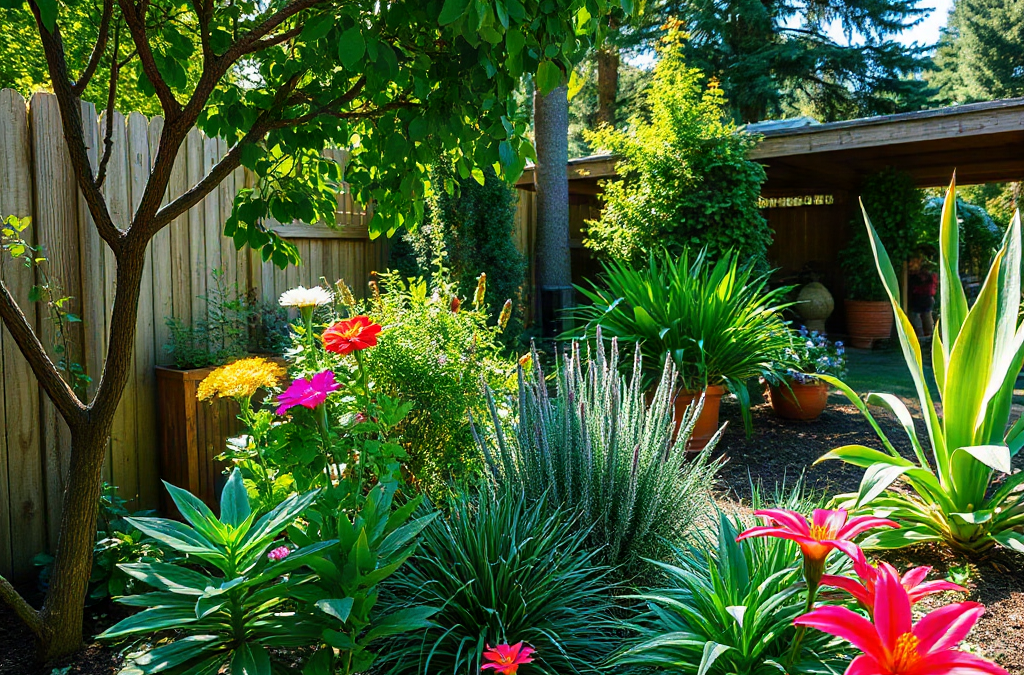
Steps to fix uneven sunlight in your garden begin with mapping direct light, identifying obstructions, and matching plants to the hours each area actually receives. Track sun and shade at several times of day because a fence, tree, wall, or seasonal angle can create sharply different conditions across one bed. Prune or reposition removable obstacles where safe, use trellises and containers to shift crops, and reserve the brightest ground for sun-demanding vegetables. Shade-tolerant plants belong in lower-light pockets rather than being forced into full sun. Recheck the bed as trees leaf out or the season changes, since aggressive pruning, reflective surfaces, and moving containers can solve one problem while creating heat, glare, or water-stress elsewhere.
Map Sunlight Before Changing the Bed
Uneven sunlight is usually a layout problem before it is a plant problem. A bed may look uniformly bright at noon while its northern edge remains shaded through the morning and its southern edge receives intense late-afternoon exposure. Walls, fences, mature trees, neighboring buildings, and even tall crops can divide a small growing space into several light zones.
Record direct sun at roughly two-hour intervals from morning through late afternoon on a clear day. Mark each area as direct sun, bright filtered light, or shade, and repeat the observation during a different part of the season if possible. Direct sunlight creates distinct shadows; bright filtered light passes through foliage; dense shade receives little usable direct light. A phone compass can help you note orientation, but the shadow pattern matters more than a map alone.
Plant labels often use terms such as full sun, partial shade, and shade, but those categories are not interchangeable. Fruiting tomatoes, peppers, cucumbers, and many flowering annuals generally need the brightest location available, while leafy greens and some herbs can tolerate less exposure. A patch that gets four hours of morning sun may grow lettuce acceptably but produce weak fruiting from a sun-hungry crop.
Make a simple light map before pruning or transplanting. Include the height and position of nearby objects, the expected mature size of trees, and whether reflected light comes from a pale wall or paving. The common mistake is measuring only one attractive sunny afternoon and then blaming soil or fertilizer when plants struggle in the shaded hours. Use the map to support the steps to fix uneven sunlight in your garden, not to justify placing every plant in the brightest corner.
Remove or Redirect the Main Sources of Shade
Permanent shade cannot always be eliminated, but many obstructions can be reduced, repositioned, or managed. Start with objects you control: move a freestanding screen, shorten a temporary trellis, relocate a tall container, or thin a crowded planting that blocks a lower bed. These changes are safer and more predictable than immediately cutting a mature tree.
Tree pruning requires particular restraint. Removing dead, damaged, or crossing branches may open light and improve the tree’s structure, but indiscriminate topping can produce weak regrowth and long-term problems. A large branch over a roof, utility line, or frequently used area deserves qualified arborist advice rather than a ladder and chainsaw. Garden light is not a sufficient reason to take an unsafe shortcut.
Fences and walls present a different tradeoff. Lowering a fence may increase exposure but reduce privacy, wind protection, or security. A reflective pale surface can brighten a dim edge, yet intense reflection from metal, glass, or white paving may raise leaf temperature and dry containers faster. Test a small change first, then watch for leaf scorch, wilting, or unusually rapid soil drying.
Use selective rather than dramatic correction. If one branch shades a bed only in the morning, pruning for a small opening may be preferable to removing a large section of canopy. If a building creates afternoon shade, move the most light-demanding crops toward the side that receives earlier direct sun and use the shaded zone for suitable plants. A frequent failure mode is creating a short-lived burst of light while exposing shallow-rooted plants to wind and heat; preserve useful shelter where it contributes to plant stability.
Match Plants, Structures, and Containers to Light
Once the light map is clear, assign plants according to their actual tolerance instead of trying to make every location equally sunny. High-light crops should occupy the longest uninterrupted band of direct exposure. Leafy greens, woodland-oriented ornamentals, and some root crops can fill areas with shorter or filtered light, although growth may be slower and harvest size may differ.
Container growing is one of the most flexible ways to correct uneven exposure. Place large pots on stable surfaces where they can be moved without damaging stems, and shift them as the sun angle changes. Containers heat and dry faster than garden soil, so a brighter position may require more frequent moisture checks. Rolling plant stands can help with heavy pots, but they must be locked or protected from wind and should not obstruct walkways.
Vertical structures can either solve or worsen the problem. A trellis placed on the north side of a bed may support climbing beans while minimizing shade on shorter crops; the same trellis on the south side can cast a long shadow across seedlings. Plan the structure’s position, height, and seasonal use before installation. A temporary net or lattice may be better than a permanent solid panel when the goal is support rather than screening.
Spacing also controls how much light reaches lower leaves. Crowded plants create internal shade, encourage damp foliage, and make it harder to tell whether the original problem came from the site or the planting plan. Thin seedlings and prune only according to the crop’s needs, preserving enough foliage for growth. Compare a dense row with a slightly wider-spaced row over several weeks; the useful result is not the brightest-looking bed but steadier growth without excessive heat or moisture loss.
A practical priority list is:
- Reserve the longest direct-light period for fruiting crops and plants grown for abundant blooms.
- Use intermittent or filtered light for crops whose leaves can be harvested young.
- Move containers before uprooting established plants.
- Place tall supports where their shadows fall away from low-growing crops during peak growth.
Readers comparing layouts can also use steps to fix uneven sunlight in your garden alongside a crop’s specific light requirements, because a generic “sunny spot” label does not reveal whether the exposure lasts through the productive part of the day.
Recheck Seasonal Changes and Plant Responses
Sunlight changes as the earth’s position changes, trees leaf out, and neighboring plants gain height. A bed that receives strong spring light may become shaded in summer beneath a deciduous tree. Conversely, a low winter sun may pass under branches and produce a bright patch that disappears later. Treat the first light map as a working record rather than a permanent diagnosis.
Inspect plants for evidence that the placement is wrong. Stretched stems, wide gaps between leaves, leaning toward one direction, slow flowering, and smaller-than-expected leaves can indicate insufficient light, though water, temperature, pests, and nutrition can produce similar symptoms. Sunscald, bleached patches, curled leaves, and sudden wilting after relocation suggest that a plant was exposed too quickly or that roots cannot supply water at the new intensity.
When moving a plant from shade into brighter conditions, transition it over several days if practical. Give it progressively longer exposure rather than placing tender foliage into intense afternoon sun immediately. Check soil moisture at root depth instead of judging by the surface; bright, windy sites can dry quickly while a shaded bed may remain wet. Mulch can moderate evaporation, but it cannot compensate for a fundamentally unsuitable location.
Compare changes against a simple baseline: note the date, light duration, plant height, flowering, harvest, and visible stress. If a relocated pepper produces sturdier growth but still fails to flower, investigate temperature, pollination, or excess nitrogen rather than increasing sunlight indefinitely. If a lettuce crop bolts after moving into a hot reflective position, return it to gentler morning light. The mistake is treating sunlight as an isolated control; successful placement balances exposure with heat, water, wind, and the plant’s growth stage.
Inspect the area every few weeks during the active season, especially after pruning, construction, or a major storm. The steps to fix uneven sunlight in your garden work best as an adjustment cycle: observe, change one major variable, and watch for a clear response before making another large intervention.
Frequently Asked Questions
How do I measure uneven sunlight in a garden?
Observe the bed at several times during a clear day and mark direct sun, filtered light, and shade on a rough map. Repeat when nearby trees are fully leafed out.
Should I cut down a tree to increase garden sunlight?
Usually not as a first step. Remove dead or problematic branches safely, preserve useful shade and wind protection, and consult an arborist for large or hazardous trees.
Which plants belong in the shadiest part of a garden?
Leafy greens, some herbs, and shade-tolerant ornamentals are often better choices than fruiting crops. Check the requirements of the specific variety and expect slower growth in lower light.
Can reflective surfaces fix a dark garden corner?
A pale wall may add useful reflected light, but glass, metal, or bright paving can create heat and glare. Test a small area and watch foliage and soil moisture before expanding the change.
Why did a plant suffer after being moved into more sun?
Tender leaves may not be acclimated to stronger radiation, while roots may struggle to supply water in a hotter location. Increase exposure gradually and monitor for scorch and wilting.
Conclusion
Correcting uneven sunlight works best as a measured layout adjustment rather than a single drastic intervention. Map the bed through the day, identify whether shade comes from a movable object, structure, tree, or seasonal angle, and give the brightest uninterrupted exposure to crops that flower or fruit. Use containers, careful spacing, and north-side trellises to redistribute plants without disturbing established roots. Treat pruning, reflective materials, and major construction as higher-risk options because they can alter wind, heat, privacy, and moisture as well as light. Recheck the site after seasonal changes and judge success by sturdier growth, appropriate flowering, and manageable water use. Change one major factor at a time so the garden’s response remains understandable.
Further Reading
Authoritative Sources
- Cooperative Extension Gardening Resources
extension.orgResearch-based gardening, soil, plant-care, and home-growing education.
- USDA National Agricultural Library
nal.usda.govAgricultural and plant-science research resources.
- EPA Safe Pest Control
epa.govOfficial information for safer pest-management decisions.
- USDA NRCS Soil Resources
nrcs.usda.govOfficial soil health, conservation, and water-management information.


