
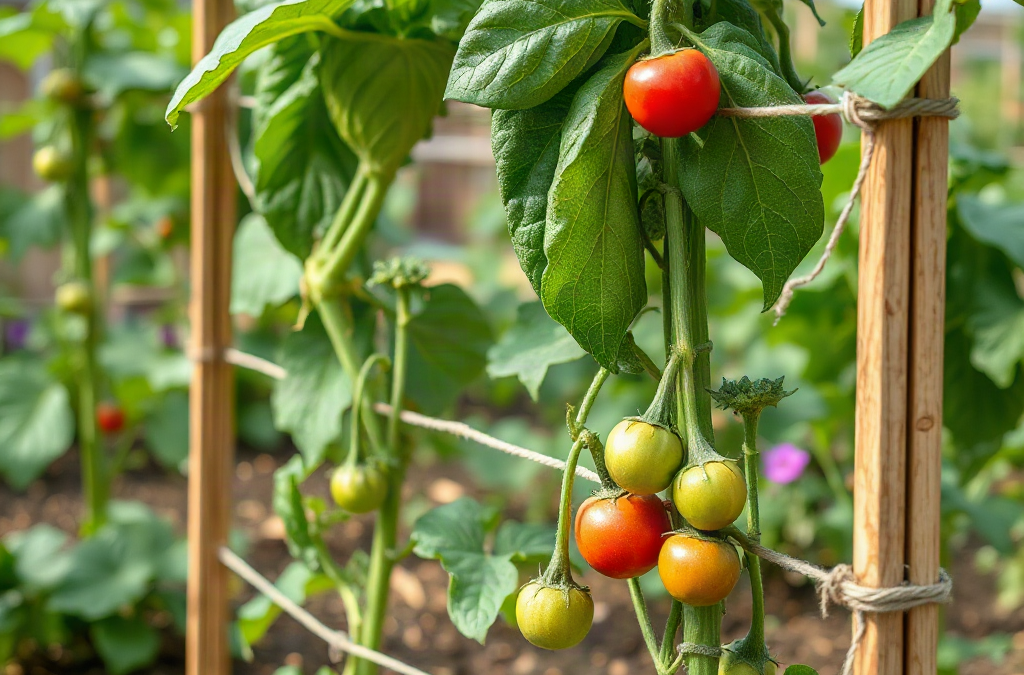
When vegetables are rotting on the vine, remove damaged produce, identify whether moisture, blossom-end rot, pests, or disease is responsible, and change the conditions that allowed the damage. Pick sound vegetables promptly, discard soft or moldy ones, improve airflow, keep foliage and fruit dry, and water deeply without repeated swings from drought to saturation. A sunken dark patch at the blossom end often points to calcium-transport stress caused by uneven moisture rather than a simple lack of soil calcium. Water-soaked spots, spreading lesions, or fuzzy growth suggest infection and require sanitation, while entry holes may indicate insects. Do not compost clearly diseased fruit unless your compost system reliably reaches appropriate heat.
Identify The Type Of Rot Before Treating It
Rot is a symptom, not a single garden problem. The appearance, location, and speed of the damage provide better clues than the word “rot” alone. A tomato with a dry, dark, sunken patch at the blossom end is usually showing blossom-end rot, while a cucumber with a soft, water-soaked area may be suffering from a fungal or bacterial infection. Fruit punctured by insects can decay after microbes enter through the wound.
Check the affected vegetable and the surrounding plant before changing fertilizer or applying a spray. Note whether the damage begins at the blossom end, stem end, or a wound; whether it feels dry or wet; and whether it has a sour odor, visible mold, or a rapidly expanding border. One isolated damaged fruit after heavy rain calls for a different response than several plants developing similar lesions within days.
Blossom-end rot deserves special attention because adding calcium is often an incomplete response. Tomatoes, peppers, squash, and some melons can develop it when roots cannot move enough calcium into fast-growing fruit. Uneven watering, root injury, excessive nitrogen-driven growth, or restricted roots may contribute. Soil may contain adequate calcium, yet the fruit can still show symptoms if moisture delivery repeatedly shifts from very dry to saturated.
By contrast, soft rot with a wet surface, fuzzy growth, or lesions spreading from fruit to fruit is more consistent with a pathogen or prolonged wetness. A hole near the damaged tissue suggests an insect or slug as the initial cause. Avoid assuming every black patch is a nutrient deficiency: treating an infectious problem with fertilizer wastes time and leaves the source of contamination in place.
For a useful diagnosis, inspect healthy fruit on the same plant, nearby leaves, stems, and soil surface. Take a photograph before removing the evidence if you may need help from a local extension service. The symptoms you record will make advice about what to do when your vegetables are rotting on the vine more precise than a general treatment schedule.
Remove Damaged Vegetables And Stabilize Growing Conditions
Pick vegetables that are fully ripe or nearly ready as soon as decay appears elsewhere on the plant. Handle them gently, because bruises become entry points for fungi and bacteria. Put soft, leaking, moldy, or foul-smelling produce in a sealed waste container or dispose of it according to local guidance. Do not leave rotting fruit beneath the plant, where it can keep surfaces wet and attract insects.
Use clean pruners for fruit stems that resist hand-picking, and wipe the blades between visibly diseased plants. Remove only affected fruit and clearly infected leaves at first; stripping a plant bare can expose remaining fruit to sunscald and reduce its ability to produce energy. If a vine has widespread stem lesions, collapsing foliage, and fruit decay, removing the entire plant may be more sensible than repeatedly treating individual vegetables.
Water management should be steady rather than excessive. Apply water to the soil near the root zone, preferably early enough for foliage and the soil surface to dry before night. A layer of clean mulch can reduce soil splash and slow evaporation, but mulch should not press against stems or keep fruit sitting on wet ground. Drip irrigation or a carefully directed hose is generally less disruptive than overhead watering.
Consider the physical position of each crop. Cucumbers, squash, melons, and tomatoes resting on damp soil are more exposed to decay than fruit supported on a trellis, straw mulch, or a clean plant support. Trellising also improves air movement, although it does not cure an established infection. In a compact garden, spacing plants farther apart may reduce the number of fruit lost even if it means growing fewer plants.
Do not respond to blossom-end rot by repeatedly adding strong fertilizer. Excess nitrogen can produce abundant foliage while delaying balanced fruit development, and concentrated amendments may damage roots. Instead, correct the watering pattern, check whether roots are crowded or injured, and use a soil test before applying calcium or other nutrients. Gardeners seeking a broader moisture diagnosis may also benefit from reviewing what to do when your vegetables are rotting on the vine alongside their irrigation routine.
Prevent Fungal, Bacterial, And Insect-Related Rot
Most preventable fruit rot begins with a combination of moisture, a vulnerable surface, and an opening for microbes. Rain, dense foliage, cracked fruit, and soil contact can create that combination. Prevention therefore works best as a series of small changes rather than as reliance on one product. Reduce leaf wetness, keep ripe produce moving out of the garden, and inspect plants at least several times each week during humid or rainy periods.
Improve airflow by removing leaves that touch the soil and by training vines so fruit is visible. Avoid working among wet plants, since handling can spread organisms from a diseased leaf to an uninjured stem or fruit. Clean up fallen leaves and spent plants after harvest. Crop rotation may reduce recurring problems, but it is less useful when the same crop family is replanted in the same small bed every season.
Cracks deserve immediate attention. Tomatoes often split after a dry period followed by heavy watering or rain; the split exposes moist tissue that decays quickly. Harvest cracked fruit while it is still firm, trim only minor superficial damage if the interior remains sound, and refrigerate or use it promptly. A vegetable that is soft beneath the crack, smells fermented, or contains mold should be discarded rather than salvaged.
Insects and slugs can create the first injury. Look under leaves, around the soil surface, and inside holes rather than spraying automatically. Remove accessible pests, use physical barriers where appropriate, and follow the label of any permitted garden product exactly. Sprays cannot restore fruit already rotting and may harm pollinators or beneficial insects when used indiscriminately. A pest-management approach that identifies the culprit first is slower than random treatment but usually creates fewer secondary problems.
Seed selection and sanitation matter when the same disease returns each year. Choose varieties suited to local growing conditions, avoid saving seed from questionable fruit, and do not carry obviously diseased plant debris into a cool backyard compost pile. A hot, well-managed compost system may process some plant material, but uncertain home piles should not be treated as a reliable way to destroy every plant pathogen.
Decide What To Harvest, Discard, Or Replace
Food safety and plant recovery should guide the final decision. Firm vegetables with a small, localized surface blemish may sometimes be used immediately after the damaged portion is removed, but slimy, moldy, leaking, or bad-smelling produce is not worth salvaging. Mold can extend beyond what is visible, especially in soft vegetables. When in doubt, discard it rather than tasting it to judge whether it is acceptable.
Harvest timing can prevent a second wave of losses. Mature-green tomatoes, firm peppers, and nearly mature squash may finish ripening off the vine in a clean, dry location, depending on the crop. Leaving every fruit until full softness increases exposure to rain, insects, and contact with the soil. The tradeoff is flavor and texture: some crops are best vine-ripened, but a slightly earlier harvest may preserve more of the crop during a wet spell.
Watch remaining vegetables for signs that the intervention is working. New fruit should remain firm, lesions should stop appearing, and foliage should dry more quickly after watering. If new spots continue to develop despite dry foliage and prompt sanitation, the problem may be established disease, a stem injury, contaminated supports, or a crop-specific disorder requiring local diagnosis.
Use this compact priority order when time is limited:
- Remove leaking or visibly moldy fruit and clean up fallen pieces.
- Inspect for entry holes, stem lesions, blossom-end patches, and soil contact.
- Keep fruit off wet ground and water the root zone consistently.
- Open crowded foliage without removing more healthy leaves than necessary.
- Reassess after several days and seek crop-specific extension advice if fresh symptoms continue.
Replacement is reasonable when a plant is declining rapidly, producing little healthy growth, or repeatedly infecting new fruit. Replanting immediately with the same crop in the same wet location may repeat the problem. A different crop family, a cleaner support system, improved spacing, or a container with fresh growing medium can be a better short-term choice, although containers still require consistent watering and adequate drainage.
For crop-specific diagnosis, consult your state or provincial university extension service, especially when lesions spread quickly or affect multiple plants. Extension diagnostic clinics can often distinguish nutrient disorders from fungal, bacterial, insect, and environmental damage using clear photographs and samples. Product labels and local gardening regulations should guide any treatment decision.
Frequently Asked Questions
Can I eat a tomato with blossom-end rot?
If the tomato is otherwise firm and the damage is limited, cut away the affected area and use the sound portion promptly. Discard it if it is soft, moldy, leaking, or unpleasant-smelling.
Does adding calcium stop vegetables from rotting?
Not necessarily. Blossom-end rot often involves inconsistent water movement, so stable irrigation and healthy roots may matter more than extra calcium when the soil already contains enough.
Should rotten vegetables go into the compost pile?
Clearly diseased or moldy produce is best kept out of an ordinary backyard pile. Use local waste guidance or a reliably hot, well-managed compost system rather than assuming decay destroys all pathogens.
Why do vegetables rot after heavy rain?
Rain can split fruit, saturate soil, splash organisms onto plants, and keep foliage wet. Prompt harvesting, mulch, drainage, and improved airflow can reduce the resulting losses.
Should I remove the whole plant?
Remove the plant when disease is spreading through stems and foliage, the plant is collapsing, or nearly every fruit is affected. A plant with isolated damaged fruit may recover after sanitation and moisture correction.
Conclusion
Rotting vegetables call for diagnosis before treatment. Remove damaged produce promptly, examine the pattern of injury, and separate moisture-related blossom-end rot from infections or pest wounds. Steady root-zone watering, clean mulch, better airflow, support that keeps fruit off soil, and regular harvesting address the conditions that make decay spread. Fertilizer alone will not correct a wet canopy, cracked fruit, or contaminated plant debris.
Use the remaining crop as your indicator: firm new fruit and fewer lesions suggest the changes are helping, while fresh damage on multiple plants signals a need for crop-specific help. When food quality is questionable, discard the vegetable. A careful cleanup and a change in spacing, irrigation, crop location, or crop family can protect the next planting more effectively than repeatedly treating fruit after it has already begun to rot.


