
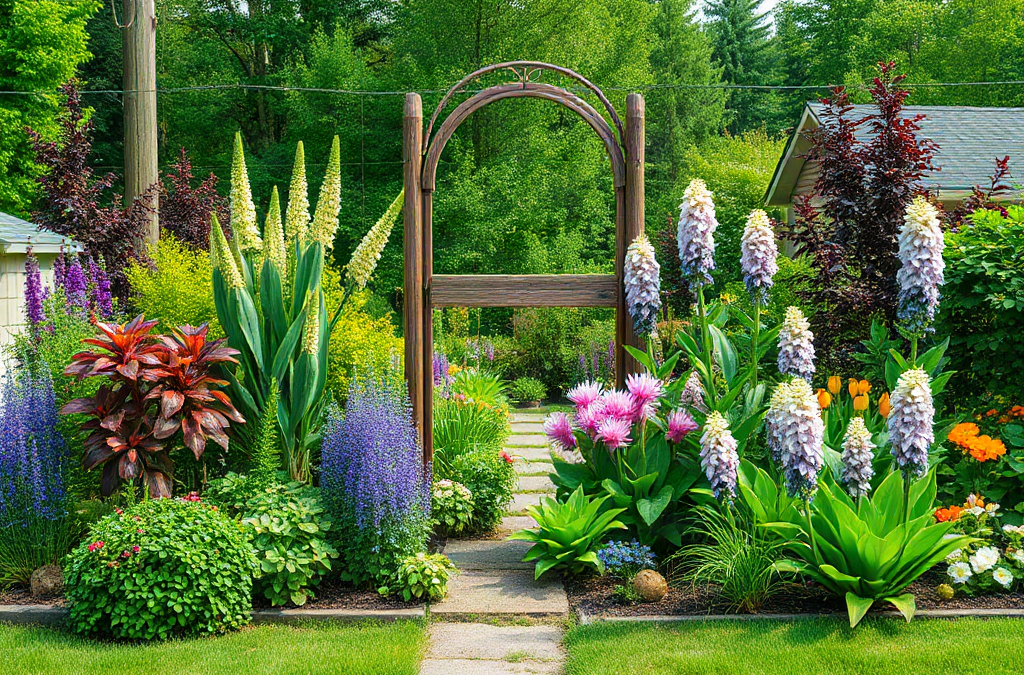
Improve your garden's biodiversity by combining native plants, layered habitat, reliable water, undisturbed shelter, and maintenance that protects insects and soil organisms. Replace part of a lawn or single-species border with flowering plants, grasses, shrubs, and small trees that provide food across multiple seasons. Leave some stems, seed heads, fallen leaves, and bare soil available for nesting and overwintering rather than clearing every surface. Avoid routine pesticide use, especially on open flowers, and observe which plants actually attract pollinators, birds, and predatory insects.
Assess the Habitats Already Present
Biodiversity improves when a garden offers several usable habitats rather than a large collection of plants that all serve the same function. Before buying anything, map the sunny, shaded, damp, dry, exposed, and sheltered parts of the property. Note existing trees, hedges, walls, leaf litter, bare soil, standing water, flowering periods, and connections to neighboring vegetation. These features determine which organisms can feed, hide, reproduce, and move through the space.
A closely mown lawn bordered by one type of evergreen shrub may look green, but it provides relatively few feeding and nesting opportunities. Converting even one edge into a mixed border creates more value if it includes low ground cover, flowering perennials, grasses, a shrub, and decomposing organic material. A mature tree is especially valuable because its bark, canopy, flowers or fruit, roots, and fallen leaves occupy several ecological layers. Retaining a healthy established tree will usually accomplish more than replacing it with numerous small ornamental plants.
Look beyond the property line as well. A garden beside woodland may benefit from shade-tolerant native plants and dense shrub cover, while a site surrounded by paving may need water, summer flowers, and safe stepping-stone habitat. Connectivity matters because many insects and birds cannot use an isolated resource indefinitely. An opening in a solid fence, a hedge instead of a bare boundary, or linked planting beds can make movement easier without turning the entire yard into a wild area.
Use a simple baseline rather than attempting a formal species survey. Record which months have flowers, where water collects, how much soil remains uncovered, and which birds, bees, butterflies, beetles, or other animals appear during ten-minute observation periods. Photographs taken from fixed positions reveal structural change over time. The common mistake is counting plant varieties while ignoring whether they flower simultaneously, occupy the same height, or provide anything beyond nectar.
Prioritize the largest missing function. If spring has abundant blossom but late summer is bare, extend flowering rather than adding more spring bulbs. If food is plentiful but every stem and leaf is removed in fall, retain overwintering shelter. This habitat-first assessment makes how to improve your garden’s biodiversity a practical site decision rather than a shopping exercise.
Build a Layered, Season-Long Planting
Plant diversity works best when it creates structural variety and a continuous sequence of resources. Combine canopy plants, shrubs, upright perennials, grasses, low ground covers, and climbers where the available space permits. Different heights create distinct temperatures, humidity levels, perches, nesting sites, and escape cover. Mixed root depths also occupy the soil differently and can make a planting more resilient than a shallow-rooted monoculture.
Give locally native species a substantial role because nearby insects and other wildlife are more likely to have established relationships with them. Native status alone, however, does not guarantee success. A plant must suit the garden’s light, soil moisture, winter conditions, and available space. A sun-loving meadow flower placed beneath a dense tree will contribute little if it struggles to bloom. Conversely, a well-matched noninvasive ornamental with accessible flowers can supplement resources where an appropriate native option is unavailable.
Flower shape affects who can feed. Flat or open flowers are accessible to many short-tongued insects, while deep tubular blooms favor visitors able to reach their nectar. Double-flowered cultivars may have reduced or inaccessible pollen and nectar compared with simpler forms. Planting several individuals of one useful species together creates a more visible and efficient feeding patch than scattering single plants throughout the yard.
Plan for time as carefully as space. Include early blossoms, summer flowers, late-season nectar, seeds, berries, and persistent stems. In a small sunny bed, that might mean spring-flowering ground cover, summer perennials with open flower heads, late-blooming asters or goldenrods suited to the region, and bunchgrasses left standing through winter. Regional appropriateness matters, so consult local extension or native-plant resources before selecting species that can spread aggressively.
A compact planting priority list is:
- Keep valuable mature plants that already provide canopy, blossom, fruit, cavities, or cover.
- Fill seasonal gaps so pollen, nectar, seeds, or fruit do not disappear for long periods.
- Add structural layers instead of placing every plant at the same height.
- Replace invasive plants gradually with regionally suitable, noninvasive alternatives.
A frequent failure is installing an oversized mix and then losing plants to unsuitable conditions or excessive maintenance. Start with one manageable bed, observe it for a full growing season, and repeat combinations that establish well. Visible insect visits, healthy growth, and staggered flowering indicate a useful planting; repeated collapse, crowding, or a single species taking over signals that placement or plant choice needs revision.
Provide Water, Shelter, and Nesting Places
Wildlife needs places to complete its life cycle, not merely flowers to visit. A pollinator border surrounded by bare mulch, sealed paving, and frequently disturbed soil may provide food while offering nowhere to nest or overwinter. Retained leaves, hollow or pithy stems, patches of exposed ground, dense shrubs, logs, stones, and mature trees each support different organisms.
Leave fallen leaves beneath shrubs or in designated bed areas where they will not smother small plants. Leaf litter moderates soil temperature, feeds decomposers, and shelters invertebrates. A log placed in partial shade and allowed to decay provides a different habitat from decorative wood chips that are replaced every year. Avoid importing wood from areas where pests or diseases may be present; use sound material already generated on the property when possible.
Some solitary bees nest in dry, sunny ground, so covering every inch with landscape fabric or deep mulch removes potential nesting sites. Others use hollow stems or existing cavities. If installing an insect nesting structure, choose a design that can be inspected, kept dry, and cleaned or replaced appropriately. Large decorative insect hotels packed with unsuitable material can concentrate moisture, parasites, and disease rather than producing a dependable benefit. Natural stems and dispersed nesting places often require less intervention.
Water should be shallow, accessible, and maintained. A wide dish with stones or a shallow edge offers safer footing than a steep-sided container. Refresh small water sources regularly, remove accumulated debris, and prevent them from becoming stagnant mosquito habitat. A larger wildlife pond can support more species, but it requires careful siting, escape routes for animals, child-safety planning, and management of invasive aquatic plants. Fish may consume insect larvae and amphibian eggs, so an ornamental fish pond and a wildlife breeding pond do not always serve the same purpose.
Dense hedges and thorny shrubs can protect nesting birds, while seed heads and fruits extend food into colder months. Inspect vegetation before pruning, and follow applicable local wildlife protections. Do not place feeders or nest boxes where cats can wait beneath them. The practical lesson behind how to improve your garden’s biodiversity is that food, water, cover, and reproduction must overlap; adding only one resource can attract visitors without supporting resident populations.
Change Maintenance Without Losing Control
Maintenance intensity often determines whether a diverse planting functions as habitat. Frequent mowing, blanket pesticide applications, autumn clearing, and routine soil disturbance remove organisms directly or erase the conditions they use. The alternative is not abandonment. Selective, timed maintenance preserves access and plant health while leaving refuge in less visible areas.
Reduce mowing where turf is not needed for play, circulation, or seating. A narrow strip of longer grass beside a hedge can add cover without sacrificing the whole lawn. Mow different areas at different times rather than cutting all habitat at once, and remove excessive clippings where the goal is to reduce soil fertility for meadow species. Simply stopping mowing on fertile lawn may produce coarse grass and persistent weeds rather than a flower-rich meadow. Successful meadow conversion usually depends on soil conditions, suitable seed or plugs, and continuing cut-and-remove management.
Use pesticides only after identifying the organism and confirming that damage exceeds what the plant can tolerate. Broad-spectrum insecticides can affect predators and pollinators along with the target pest, and spraying open blooms increases exposure. Begin with cultural controls: improve airflow, correct watering, hand-remove small infestations, prune affected material when appropriate, or protect a vulnerable crop with a physical barrier. Accepting limited leaf damage is often compatible with a healthy plant and supplies food for insect larvae.
Fall cleanup deserves similar restraint. Leave sturdy stems and seed heads through winter where they will not create a safety or disease problem. Move healthy leaves into beds, but remove material affected by persistent plant disease when sanitation is recommended for that specific host. In spring, cut stems in stages and leave some pieces in an undisturbed location so emerging insects have time to exit. Avoid cultivating every bed annually because repeated digging disrupts soil structure, fungal networks, and ground nests.
Define paths, edge the most visible beds, and keep vegetation clear of doors, sidewalks, utilities, and sight lines. These cues make ecologically managed areas look intentional and reduce conflict with household needs or neighbors. Failure signs include one aggressive plant overwhelming the bed, standing water near foundations, blocked access, persistent pest outbreaks, or unmanaged weeds seeding into adjacent properties. Biodiversity is not measured by disorder; thoughtful boundaries allow habitat and human use to coexist.
Measure Progress and Correct Weak Results
Useful monitoring tracks ecological function rather than chasing the highest possible species count. Observe whether flowering now spans more months, whether birds use added cover, whether different insects visit at different times, and whether soil remains protected beneath plants or leaf litter. Record observations under similar weather and at similar times because temperature, wind, and sunlight can change animal activity dramatically.
Choose a few repeatable checks each month during the growing season. Photograph the same beds, note what is flowering, spend ten minutes recording broad visitor groups, and inspect leaves for both herbivores and predators. Exact species identification is valuable but not required for a homeowner to notice change. Bees of different sizes, hoverflies, butterflies, beetles, spiders, birds, and signs of decomposition already reveal whether several ecological roles are present.
Expect uneven progress. A new water dish may attract birds quickly, whereas shrubs and trees need years to create dense cover. Newly planted perennials may not flower heavily until established. Weather can also suppress visible activity for a season, so a quiet week does not prove failure. Compare conditions over multiple seasons and judge whether resources are becoming more continuous and varied.
When results remain weak, check habitat quality before adding more species. Sparse visitation may reflect pesticide exposure, poorly matched flowers, an isolated location, or blooms that last only briefly. Plant losses may indicate incorrect moisture or light rather than insufficient diversity. Excessive slugs or one dominant pest can follow from dense, damp cover without enough airflow, especially around susceptible vegetables. Adjust spacing and irrigation while retaining shelter elsewhere instead of clearing the whole site.
Keep changes proportionate to the time available. A gardener with limited capacity may gain more from protecting one mature tree, converting a lawn edge, and delaying cleanup than from maintaining a complex pond and meadow. Review the record annually, keep the features that are demonstrably used, and replace poorly performing plants with species suited to the same habitat role. That feedback loop turns how to improve your garden’s biodiversity into an adaptable process rather than a one-time redesign.
Frequently Asked Questions
Can a small garden support meaningful biodiversity?
Yes. A small plot can supply dense, high-quality resources through layered planting, season-long flowers, a shallow water source, and undisturbed shelter. Concentrate on habitat quality and continuity rather than total plant count.
Do all plants need to be native?
No, but regionally native plants should form a meaningful part of the planting because they often support established local relationships. Supplement them with noninvasive plants that provide accessible flowers or fill seasonal gaps.
Should fallen leaves remain everywhere?
Keep healthy leaves beneath shrubs and in designated beds, but clear them from slippery paths, drains, and places where they smother sensitive plants. Remove diseased material when host-specific sanitation is necessary.
Is an insect hotel necessary?
No. Hollow stems, standing dead growth, bare soil, logs, and natural cavities can provide dispersed nesting habitat. An artificial structure needs suitable materials, weather protection, inspection, and periodic maintenance.
How quickly should wildlife numbers increase?
Some visitors may appear within weeks, but stable habitat develops across seasons and years. Judge progress by longer flowering periods, increased shelter use, varied visitor groups, and successful plant establishment rather than immediate abundance.
Conclusion
A biodiverse garden develops from connected habitat functions, not from purchasing the longest possible plant list. Protect mature vegetation first, identify missing seasons and structural layers, and then add well-matched native plants, water, nesting places, and winter shelter. Reduce mowing, pesticides, digging, and wholesale cleanup selectively rather than allowing useful areas to become unmanageable.
Begin with one visible, maintainable change: expand a border, retain leaves beneath shrubs, add late-blooming plants, or adjust mowing along a boundary. Record flowering and wildlife activity through a full growing season before making major revisions. Keep features that are used, correct plants that struggle in their location, and contain aggressive growth early. Consistent, measured improvements produce a more functional habitat while preserving paths, access, food-growing space, and the level of upkeep the household can realistically sustain.


