
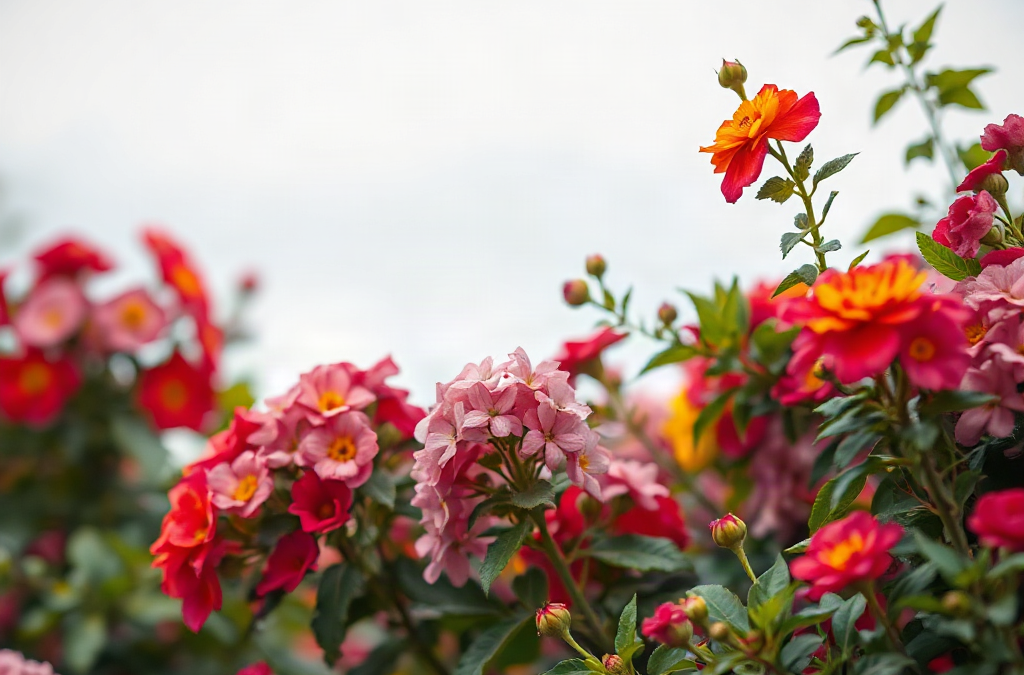
Flowering bushes for a warm zone eight garden should combine spring, summer, and autumn bloomers selected for local heat, winter lows, sunlight, and soil drainage. Reliable candidates include azaleas for filtered light, panicle hydrangeas and crape myrtles for sun, abelias for prolonged summer color, and sasanqua camellias for cool-season flowers. Zone 8 identifies expected winter cold but does not account for drought, humidity, salt exposure, or reflected heat, so site conditions still govern the choice. Plant at the shrub’s mature spacing, water deeply during establishment, and prune according to whether flower buds form on old or new wood.
What Does Zone 8 Really Mean for Flowering Shrubs?
USDA Zone 8 primarily describes the average annual extreme minimum winter temperature, generally divided into Zone 8a and the slightly milder Zone 8b. That information helps determine whether a shrub is likely to survive winter, but it says little about summer heat, rainfall, humidity, wind, or the duration of drought. Two Zone 8 properties can therefore demand very different shrubs even when their winter ratings match.
A humid southeastern yard may contend with long, wet summers and leaf diseases, while an inland western Zone 8 site may have dry air, alkaline ground, and months without meaningful rain. Coastal locations add salt-laden wind. Urban beds beside pale walls or pavement may become considerably hotter than the surrounding air. A plant label marked “Zones 7–9” confirms a broad cold-tolerance range; it does not confirm that the shrub will thrive in every Zone 8 exposure.
Begin by identifying the bed’s actual conditions. Observe direct sunlight in midsummer rather than estimating it during winter. Check whether water remains in a planting hole after rain, and note areas where roof runoff creates alternating saturation and drought. Look at nearby vegetation for clues: pale leaves can indicate nutrient availability problems in high-pH ground, while scorched margins may point to dry roots, reflected heat, or salty wind.
Regional climate also affects bloom timing. A warm spell can open early azalea or deciduous magnolia flowers before a late frost, while fall-flowering camellia buds may be damaged by an unusually early freeze. Planting early bloomers away from frost pockets at the bottom of slopes can reduce exposure. Locations with morning sun and some afternoon shelter often moderate temperature swings better than exposed western walls.
A common mistake is treating hardiness as a promise of good performance. Cold-hardy hydrangeas may survive in a hot, dry bed yet wilt repeatedly and produce weak flowers. Conversely, a heat-loving crape myrtle can remain alive in heavy shade but bloom poorly. Use the zone rating as the first filter, then judge heat, water, light, soil reaction, mature dimensions, and local pest pressure before buying.
Which Bushes Flower in Each Season?
A season-based mix produces a longer display than filling the border with shrubs that peak during the same few weeks. Exact timing shifts with cultivar and local weather, so the categories below are planning windows rather than fixed calendar dates. Choose fewer kinds in repeated groups for a coherent border, or use individual specimens where each shrub has enough room to show its natural form.
| Bloom window | Useful Zone 8 candidates | Best-fit conditions | Main caution |
|---|---|---|---|
| Late winter to spring | Flowering quince, deciduous azalea, evergreen azalea | Sun to filtered light, depending on species | Early flowers may meet late frost |
| Late spring to summer | Oakleaf hydrangea, panicle hydrangea, gardenia | Moist, drained ground; light varies by plant | Gardenia is sensitive to unsuitable pH and cold pockets |
| Summer into autumn | Abelia, crape myrtle, rose of Sharon | Mostly sunny sites with air circulation | Some forms outgrow small foundation beds |
| Autumn to early winter | Sasanqua camellia | Filtered light or gentle sun, acidic drained ground | Dry roots can cause bud loss |
For spring color, azaleas suit woodland edges and east-facing foundations where intense afternoon sun is limited. Deciduous azaleas often have an open habit and work well in informal borders, while compact evergreen cultivars fit smaller spaces. Flowering quince handles more sun and difficult conditions but can be thorny; it is better beside a boundary than beside a narrow walkway.
Summer choices should reflect available water. Panicle hydrangea generally accepts more sun than bigleaf hydrangea, though Zone 8 afternoon shade and consistent moisture can still prevent stress. Oakleaf hydrangea offers flowers, textured foliage, and peeling bark, making it valuable where several seasons of interest matter. Gardenia supplies fragrant flowers but performs best where drainage and soil acidity are suitable; fragrance alone is not a sound reason to place it in wet clay or an alkaline bed.
Abelia is useful when a long flowering period and a looser habit are welcome. Crape myrtle offers strong summer color in full sun, but cultivar size varies from compact shrubs to trees. Rose of Sharon flowers later than many spring shrubs and tolerates heat, although seedlings can become a maintenance issue with fertile forms. Sasanqua camellias extend color into cooler months and usually tolerate more sun than many Japanese camellias when roots remain cool and evenly moist.
The failure to check mature dimensions causes more trouble than a short bloom season. A shrub repeatedly sheared below its natural size loses form and may sacrifice buds. Read the expected height and width for the named cultivar, not merely the species, and select a plant that can mature without blocking windows, paths, or air-conditioning equipment.
How Do You Match a Shrub to Sun, Soil, and Heat?
Light quality matters as much as the stated number of sunny hours. Six hours of gentle morning light differs from six hours beside a west-facing brick wall. Crape myrtle, flowering quince, panicle hydrangea, and many abelias generally flower most heavily with ample sun. Azaleas, oakleaf hydrangeas, and camellias often fit sites with filtered light or protection from the harshest afternoon exposure.
Too little light usually produces stretched growth, sparse flowers, and foliage that stays damp longer after rain. Too much heat can produce curled leaves, scorched edges, rapid wilting, or dropped buds even when a species is nominally rated for full sun. Before replacing a struggling shrub, compare its morning and afternoon appearance. A plant that recovers overnight but collapses each sunny afternoon may need better root-zone moisture or a cooler exposure; persistent yellowing or dieback calls for closer inspection of drainage, roots, and soil conditions.
Drainage is the next decisive filter. Most flowering shrubs need oxygen around their roots and decline when planted in a basin that remains saturated. Heavy clay is not automatically unsuitable, but planting a small root ball in a deeply amended pocket can create a container-like zone that traps water. A broad planting area with gradual soil improvement is preferable to a narrow hole filled with rich material. On chronically wet land, choose a better-adapted plant or correct the larger drainage problem rather than raising a shrub only an inch or two.
Soil pH affects nutrient availability. Azaleas, gardenias, and camellias favor acidic conditions and may develop yellow leaves with greener veins where the ground is too alkaline. Adding fertilizer without checking the cause can worsen salt stress while leaving the pH conflict unresolved. A laboratory soil test through a local extension service is more useful than guessing from leaf color because root injury, excess water, and nutrient problems can look similar.
Use this compact selection check before purchasing:
- Measure the space: allow for mature width, access, and air movement.
- Map summer light: distinguish morning sun from intense afternoon exposure.
- Check water movement: identify drought-prone slopes, runoff channels, and wet pockets.
- Confirm soil fit: investigate pH when considering acid-loving shrubs.
- Choose the named cultivar: compare mature size, flowering period, and local availability.
A mixed border should group plants with compatible irrigation needs. Pairing drought-tolerant abelia with a moisture-demanding hydrangea on one irrigation setting usually leaves one overwatered or the other stressed. Hydrozoning—placing shrubs with similar water needs together—makes care more precise and reduces the temptation to water the entire bed whenever one plant wilts.
Planting, Pruning, and Care That Protect Flowering
Correct establishment determines whether a suitable shrub becomes a durable performer. Plant when the ground is workable and temperatures are moderate, often in autumn or early spring in Zone 8. Fall planting can support root growth before summer heat, but a late-planted evergreen still needs moisture monitoring through winter. In locations with severe winter exposure or unreliable irrigation, early spring may provide a safer establishment window.
Dig a hole no deeper than the root ball and wider than it. Set the root flare at or slightly above the surrounding grade; buried stems and deep root balls receive less oxygen and remain wet longer. Loosen circling container roots so they can grow into surrounding ground. Backfill primarily with the excavated soil unless a soil test or site-wide improvement plan indicates otherwise. Water thoroughly to settle the ground without pressing it into a dense mass.
Apply a moderate mulch layer across the root zone while leaving space around the stems. Mulch reduces rapid evaporation and temperature fluctuation, but a mound against the crown holds unwanted moisture and can conceal bark damage. During the first growing season, check moisture several inches below the surface rather than watering by calendar alone. Deep watering followed by a partial drying interval encourages roots to move outward; frequent surface sprinkling leaves the lower root ball dry.
Pruning must follow the shrub’s flowering biology. Spring-flowering azaleas and many other early bloomers carry flower buds on growth formed during the previous season. Pruning them in autumn or late winter removes much of the upcoming display. Shape these shrubs soon after flowering when necessary. Panicle hydrangeas and rose of Sharon bloom on new growth and can usually be pruned while dormant, although severe annual cutting is rarely required. Camellias need little more than selective removal of damaged, crossing, or badly placed branches.
Crape myrtle illustrates the cost of routine severe topping. Large cuts prompt clusters of weak shoots and destroy the plant’s branching structure. Select a cultivar whose mature size fits the site, then use selective thinning instead of cutting every stem to the same height. The same principle applies to foundation shrubs: size compatibility is more effective than years of corrective shearing.
Watch for evidence rather than fertilizing automatically. Healthy shoot extension, normal leaf color, and a gradually expanding canopy indicate establishment. Persistent wilting in moist ground, blackened roots, loose anchorage, stem dieback, or continuing leaf discoloration suggest failure. Check planting depth and drainage first. Excess nitrogen can produce lush leaves at the expense of flowers, and fertilizer cannot repair waterlogged roots, unsuitable pH, or inadequate sunlight.
Frequently Asked Questions
What flowering shrub blooms the longest in Zone 8?
Abelia often flowers from summer into autumn, particularly in sunny sites. Bloom duration varies by cultivar, weather, pruning, and local growing conditions.
Can hydrangeas grow in full sun in Zone 8?
Panicle hydrangeas generally tolerate more sun than bigleaf types, but afternoon protection and dependable moisture are valuable in hot Zone 8 locations. Reflected heat can make a nominally sunny site too severe.
Which flowering bushes tolerate partial shade?
Azaleas, oakleaf hydrangeas, and camellias are useful candidates for filtered light or morning sun. Deep shade still reduces flowering, so distinguish bright partial shade from a dark site.
When should flowering shrubs be planted in Zone 8?
Autumn and early spring are commonly favorable because moderate temperatures reduce establishment stress. Local winter exposure, summer irrigation, and the shrub’s condition should determine the final timing.
Why is a healthy flowering bush producing leaves but no blooms?
Common causes include insufficient sunlight, pruning at the wrong time, excess nitrogen, immature growth, or frost-damaged buds. Identify whether the shrub flowers on old or new wood before pruning again.
Conclusion
A productive Zone 8 shrub border begins with site diagnosis rather than a shopping list. Record summer sun, drainage, soil reaction, irrigation reach, and available width, then select named cultivars that fit those limits at maturity. Combine early azaleas or flowering quince with summer performers such as hydrangeas, abelias, or appropriately sized crape myrtles, and use sasanqua camellias where autumn flowers and acidic soil conditions align.
Once planted, protect the root flare, mulch without burying stems, and adjust watering according to moisture below the surface. Prune spring bloomers after flowering and new-wood bloomers during dormancy only when shaping is needed. If growth weakens, investigate light, roots, and drainage before reaching for fertilizer. Those decisions preserve natural form and create a longer flowering sequence with less corrective work.


