
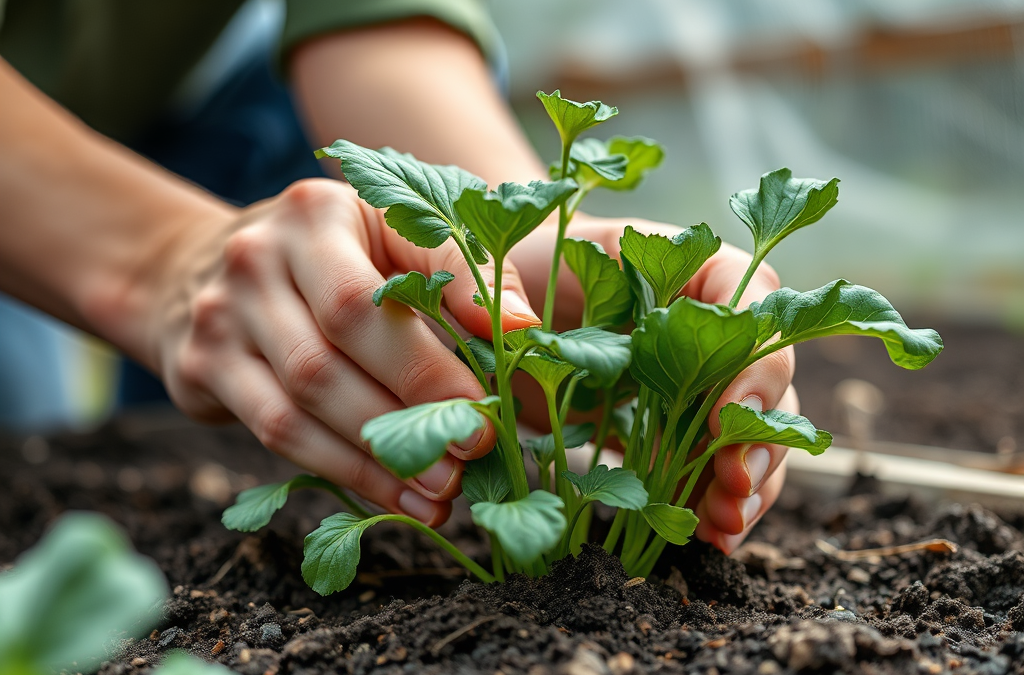
Poor vegetable growth can often be attributed to nutrient deficiencies, inadequate soil quality, and pest infestations. Nutrient deficiencies, such as a lack of nitrogen, phosphorus, or potassium, can manifest as yellowing leaves or stunted growth. Additionally, soil that is compacted or lacks organic matter can hinder root development and moisture retention, making it essential to amend the soil with compost or organic fertilizers. Pest infestations can further exacerbate these issues by damaging plants or spreading diseases. Regular monitoring and timely interventions, such as soil testing and pest management, are crucial for maintaining a healthy vegetable garden.
Nutrient Deficiencies
Nutrient deficiencies are one of the primary reasons for poor vegetable growth. Essential nutrients such as nitrogen, phosphorus, and potassium play crucial roles in plant health. For instance, nitrogen is vital for leaf development, while phosphorus supports root growth and flowering. When these nutrients are lacking, plants may exhibit symptoms like yellowing leaves, stunted growth, or poor fruit production.
To address nutrient deficiencies, consider conducting a soil test to determine which nutrients are lacking. Based on the results, you can amend your soil with organic fertilizers, compost, or specific nutrient supplements. For example, if nitrogen is deficient, adding blood meal or fish emulsion can help boost plant growth. Keep in mind that over-fertilizing can also harm plants, so it’s essential to follow recommended application rates.
Soil Quality
Soil quality significantly impacts vegetable growth. Healthy soil is rich in organic matter, has good structure, and maintains proper drainage and moisture retention. Poor soil quality can lead to compacted soil, inadequate aeration, and nutrient leaching, all of which can hinder root development and overall plant health.
To improve soil quality, consider adding organic matter such as compost or well-rotted manure. This not only enhances nutrient availability but also improves soil structure and water-holding capacity. Regularly rotating crops and practicing cover cropping can also help maintain soil health by preventing nutrient depletion and reducing erosion.
Pest Infestations
Pest infestations can severely affect vegetable growth by damaging plants directly or by transmitting diseases. Common pests include aphids, caterpillars, and beetles, which can feed on leaves, stems, and roots, leading to reduced vigor and yield.
To manage pests effectively, regularly inspect your plants for signs of infestation, such as discolored leaves or visible insects. Implementing integrated pest management (IPM) strategies, such as encouraging beneficial insects, using row covers, and applying organic pesticides when necessary, can help control pest populations while minimizing harm to the environment.
Watering Practices
Improper watering practices can also contribute to poor vegetable growth. Both overwatering and underwatering can stress plants, leading to wilting, yellowing, and root rot. Vegetables require consistent moisture, but the amount can vary depending on the plant type and weather conditions.
To optimize watering, consider using mulch to retain soil moisture and reduce evaporation. Additionally, using a moisture meter can help you determine when to water, ensuring that plants receive adequate hydration without becoming waterlogged. Generally, it’s best to water deeply and infrequently, encouraging deep root growth.
Environmental Factors
Environmental factors such as temperature, light, and humidity play a crucial role in vegetable growth. Extreme temperatures can stress plants, while insufficient sunlight can stunt growth and reduce yields. For example, many vegetables thrive in full sun, and a lack of direct sunlight can lead to leggy growth and poor fruit set.
To mitigate the impact of environmental factors, select vegetable varieties suited to your local climate and growing conditions. Additionally, consider using shade cloth during excessively hot periods or row covers to protect plants from cold snaps. Monitoring local weather conditions can also help you make timely adjustments to your gardening practices.
Frequently Asked Questions
What are the common signs of nutrient deficiencies in vegetables?
Common signs include yellowing leaves, stunted growth, and poor fruit production, indicating a lack of essential nutrients.
How can I improve soil quality for better vegetable growth?
Add organic matter like compost or well-rotted manure to enhance nutrient availability and soil structure.
What pests should I watch for in my vegetable garden?
Common pests include aphids, caterpillars, and beetles, which can damage plants and reduce yields.
How often should I water my vegetable garden?
Water deeply and infrequently, allowing the soil to dry out slightly between waterings to encourage deep root growth.
What environmental factors affect vegetable growth?
Temperature, light, and humidity can significantly impact growth; ensure your vegetables are suited to local climate conditions.
Conclusion
Addressing common reasons for poor vegetable growth, such as nutrient deficiencies, soil quality, and pest infestations, is crucial for a successful garden. Regular monitoring and proactive management can help ensure your vegetables thrive, leading to abundant harvests. By understanding the factors that affect growth, you can make informed decisions to improve your gardening practices and achieve better results.


