
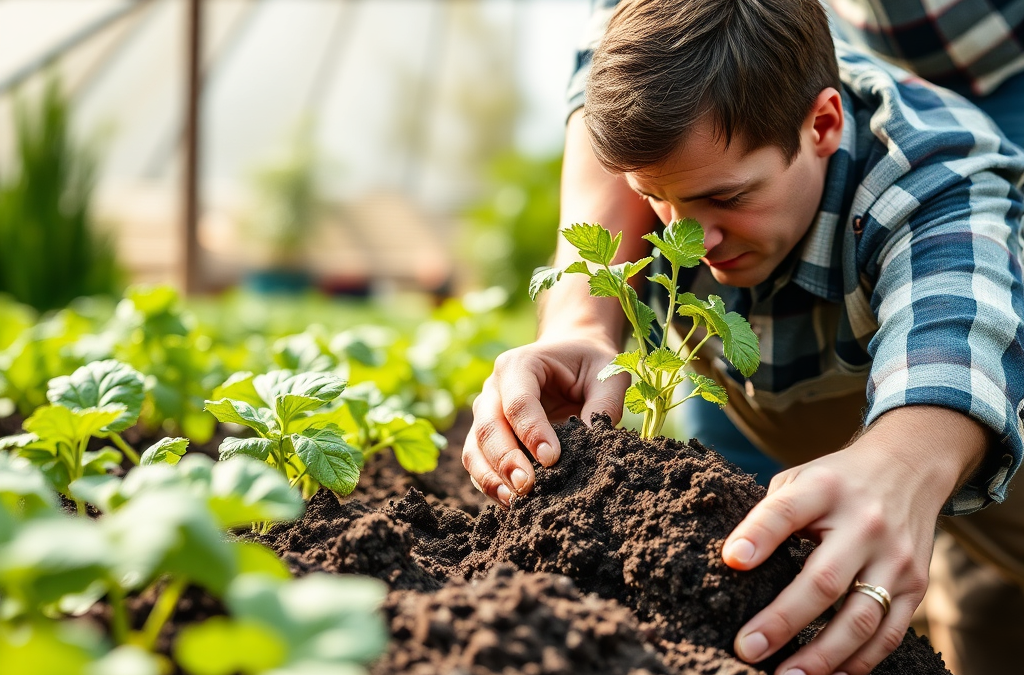
Low vegetable garden yields can often be attributed to factors such as poor soil quality, inconsistent watering, pest issues, and inadequate sunlight. To enhance productivity, start by improving soil health through amendments like compost and organic fertilizers, which can address nutrient deficiencies. Establish a regular watering schedule to avoid the extremes of overwatering and underwatering, both of which can harm plant growth. Additionally, implementing pest management strategies and ensuring your garden receives sufficient sunlight will further support healthy yields.
Soil Quality Issues
Soil quality is fundamental to achieving high yields in a vegetable garden. Poor soil can lead to nutrient deficiencies, impacting plant growth and overall productivity. Key soil issues include compaction, low organic matter, and imbalanced pH levels. For instance, compacted soil restricts root growth and water infiltration, while low organic matter can limit nutrient availability.
To improve soil quality, consider conducting a soil test to identify nutrient levels and pH. Based on the results, you can amend the soil with compost, organic fertilizers, or lime to balance acidity. Regularly adding organic matter, such as leaf mold or well-rotted manure, can enhance soil structure and fertility over time.
Another common mistake is over-fertilizing, which can lead to nutrient lockout, making it difficult for plants to absorb necessary elements. Instead, focus on a balanced fertilization approach, applying nutrients based on plant needs and soil test results.
Watering Practices
Inadequate or inconsistent watering is a prevalent reason for low vegetable garden yields. Overwatering can drown roots and promote fungal diseases, while underwatering leads to stress and stunted growth. It’s crucial to establish a consistent watering schedule, particularly during dry spells.
Consider using drip irrigation or soaker hoses to deliver water directly to the root zone, minimizing evaporation and ensuring efficient water use. Monitoring soil moisture can help determine when to water; a simple method is to insert your finger into the soil to check for dampness. Aim for deep watering sessions to encourage robust root development.
Additionally, mulching can help retain soil moisture and regulate temperature, further enhancing the effectiveness of your watering practices. Organic mulches, like straw or wood chips, not only conserve water but also improve soil health as they decompose.
Pest Management
Pest infestations can wreak havoc on vegetable yields, often going unnoticed until significant damage occurs. Common pests include aphids, caterpillars, and beetles, which can decimate crops if not managed promptly. Regularly inspecting plants for signs of pests is essential for early detection.
Implementing integrated pest management (IPM) strategies can help control pest populations effectively. This approach combines biological control methods, such as introducing beneficial insects like ladybugs, with cultural practices like crop rotation and companion planting to deter pests naturally.
Avoiding chemical pesticides can also be beneficial; instead, consider organic alternatives like neem oil or insecticidal soap, which are less harmful to beneficial insects and the environment. Keeping your garden clean by removing debris and dead plants can also reduce pest habitats.
Sunlight Requirements
Vegetable plants require adequate sunlight to photosynthesize effectively and produce healthy yields. Insufficient sunlight can lead to weak, leggy plants and reduced fruiting. Most vegetables need at least six to eight hours of direct sunlight daily.
When planning your garden layout, be mindful of surrounding structures or trees that may cast shadows on your plants. If your garden area receives limited sunlight, consider planting shade-tolerant varieties or relocating your garden to a sunnier spot. Alternatively, using reflective materials can help maximize light exposure for shaded areas.
It’s also important to understand the specific light requirements of each vegetable type. For example, leafy greens may tolerate partial shade, while fruiting plants like tomatoes and peppers thrive in full sun.
Improving vegetable garden yields involves understanding soil health, proper watering, pest management, and sunlight needs. For additional insights, consider exploring local agricultural extensions or gardening resources that provide tailored advice for your region.
Frequently Asked Questions
What are the main causes of low vegetable garden yields?
The main causes include poor soil quality, inadequate watering, pest infestations, and insufficient sunlight.
How can I improve my soil for better yields?
Conduct a soil test, amend with compost or organic fertilizers, and regularly add organic matter to enhance soil health.
What watering techniques should I use?
Use drip irrigation or soaker hoses for efficient watering, and monitor soil moisture to establish a consistent watering schedule.
How do I manage pests in my garden?
Implement integrated pest management (IPM) strategies, including introducing beneficial insects and using organic pest control methods.
How much sunlight do vegetable plants need?
Most vegetables require at least six to eight hours of direct sunlight daily for optimal growth and yield.
Conclusion
Maximizing vegetable garden yields hinges on addressing soil quality, maintaining proper watering practices, effectively managing pests, and ensuring adequate sunlight. By understanding these key factors and implementing practical solutions, gardeners can significantly enhance their productivity and enjoy a bountiful harvest. Start by assessing your garden’s unique conditions and making targeted improvements to create a thriving vegetable garden.


