
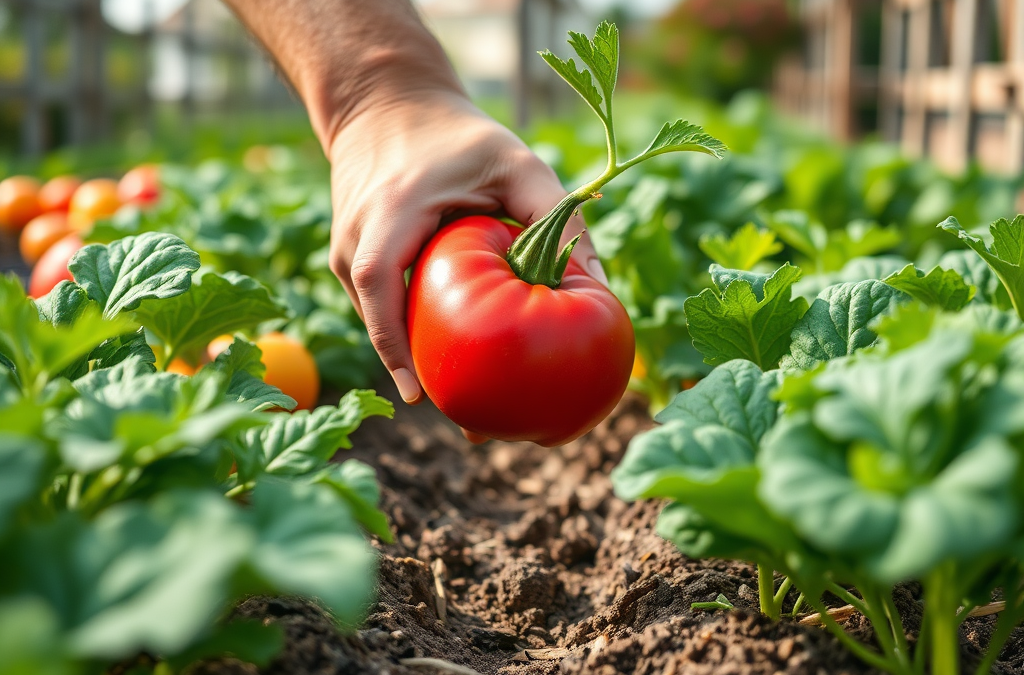
Implementing effective strategies for crop rotation in vegetable gardens involves rotating crops by their botanical families, using cover crops, and timing plantings to enhance soil health. For instance, avoid planting nightshades like tomatoes and peppers consecutively; instead, alternate them with legumes that enrich nitrogen levels in the soil. Additionally, incorporating cover crops during the off-season can improve soil structure and prevent erosion. Understanding the specific nutrient needs of different plants helps maintain soil vitality, ultimately leading to healthier crops and increased yields.
Understanding Crop Rotation
Crop rotation is a vital agricultural practice that involves alternating the types of crops grown in a specific area across different seasons. This method is essential because it helps maintain soil fertility, reduce pest and disease cycles, and improve overall plant health. By rotating crops, gardeners can prevent the depletion of specific nutrients that occur when the same crops are planted repeatedly. Additionally, different plants have varying nutrient requirements and root structures, which can enhance soil structure and health.
For example, legumes like peas and beans fix nitrogen in the soil, benefiting subsequent crops that require high nitrogen levels. Understanding the specific needs and benefits of different plants is crucial for implementing a successful crop rotation strategy.
Key Strategies for Effective Crop Rotation
To effectively implement crop rotation in vegetable gardens, gardeners should consider several strategies:
- Group by Plant Families: Rotate crops based on their botanical families. For instance, avoid planting tomatoes, peppers, and eggplants (all nightshades) in the same area consecutively. Instead, alternate with crops from different families, such as legumes or brassicas.
- Use Cover Crops: Incorporate cover crops like clover or rye during the off-season. These crops improve soil health, reduce erosion, and can be tilled back into the soil to add organic matter.
- Plan for Pest and Disease Management: Understanding the lifecycle of pests and diseases associated with specific crops can inform rotation decisions. For example, if a certain pest thrives on cucumbers, rotating them with non-related crops can disrupt their lifecycle.
- Timing and Seasonal Considerations: Plan your planting schedule based on seasonal growth patterns. Early spring crops can be followed by summer crops, allowing for multiple harvests in a single growing season.
These strategies work together to create a balanced ecosystem in your garden, promoting healthier plant growth and reducing reliance on chemical fertilizers and pesticides.
Implementing Crop Rotation in Your Garden
To implement crop rotation effectively, start by mapping out your garden layout. Divide your garden into sections and designate specific areas for different plant families. Here’s a practical approach:
- Plan Your Layout: Create a visual representation of your garden, marking where each crop family will be planted. This helps in tracking rotations over the seasons.
- Record Keeping: Maintain a garden journal to track what is planted where and when. This record will help you plan future rotations and identify any issues that arise.
- Monitor Soil Health: Regularly test your soil for nutrient levels and pH. This information will guide you in selecting crops that will enhance soil fertility and structure.
- Adjust as Needed: Be flexible and willing to adjust your rotation plan based on observed results. If a particular crop struggles, consider changing its location or rotation timing.
Implementing these steps ensures that you are maximizing the benefits of crop rotation while adapting to the specific needs of your garden and local climate conditions.
Common Mistakes in Crop Rotation
While crop rotation can significantly enhance garden productivity, several common mistakes can undermine its effectiveness:
- Neglecting Soil Health: Focusing solely on crop rotation without considering soil health can lead to poor results. Regular soil testing and amendments are essential.
- Inconsistent Rotation: Failing to follow a systematic rotation plan can allow pests and diseases to re-establish themselves. Consistency is key to breaking pest and disease cycles.
- Overlooking Companion Planting: Some gardeners forget to consider companion planting principles alongside crop rotation. Certain plant combinations can enhance growth and deter pests.
- Ignoring Local Conditions: Not taking local climate and soil conditions into account can lead to poor crop performance. Adjust your rotation plan based on observed weather patterns and soil conditions.
By avoiding these pitfalls, gardeners can enhance the benefits of crop rotation and ensure a thriving vegetable garden.
Frequently Asked Questions
What is crop rotation?
Crop rotation is the practice of alternating the types of crops grown in a particular area to improve soil health and reduce pest and disease issues.
How does crop rotation benefit soil health?
By rotating crops, different nutrients are utilized, preventing depletion of specific soil nutrients and enhancing overall soil structure and fertility.
What crops should not be planted together?
Crops from the same family, such as tomatoes, peppers, and eggplants, should not be planted in the same location consecutively to prevent pest and disease buildup.
How often should I rotate my crops?
Crop rotation should be practiced annually, ensuring that different families of crops are grown in the same area every growing season.
Can cover crops improve crop rotation effectiveness?
Yes, cover crops can improve soil health, prevent erosion, and add organic matter, making them an excellent addition to crop rotation planning.
Conclusion
Effective crop rotation is essential for maintaining a healthy vegetable garden and enhancing soil vitality. By understanding the principles of crop rotation and implementing key strategies, gardeners can improve yields, reduce pest issues, and create a sustainable gardening practice. Focus on planning, monitoring, and adapting your crop rotation strategy to enjoy the long-term benefits of a thriving garden.


