
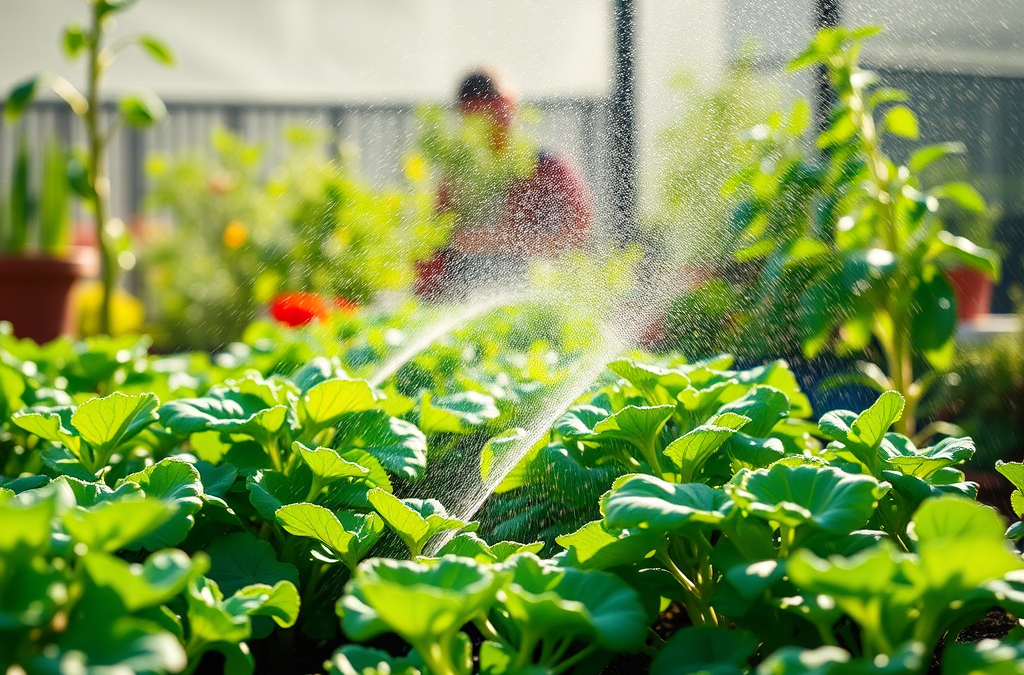
Effective watering techniques for vegetable gardens involve understanding the specific needs of your plants, utilizing soil moisture monitoring, and applying consistent watering schedules. Properly assessing soil moisture helps prevent overwatering or underwatering, which can lead to root rot or drought stress. Techniques such as drip irrigation and mulching can enhance water retention and reduce evaporation, ensuring your vegetables thrive throughout the growing season.
Understanding Plant Water Needs
Each vegetable plant has unique water requirements based on its species, growth stage, and environmental conditions. Understanding these needs is crucial for optimal growth and yield. Leafy greens, for example, generally require more water than root vegetables. Factors such as temperature, humidity, and soil type also play significant roles in determining how much water your plants need.
For instance, during hot summer months, plants may require daily watering, whereas in cooler conditions, every few days might suffice. Regularly observing your plants can help you gauge their water needs; wilting leaves may indicate a lack of moisture, while overly saturated soil can lead to root diseases.
Soil Moisture Monitoring Techniques
Monitoring soil moisture is essential for effective watering. One common method is to use a soil moisture meter, which provides accurate readings of moisture levels at various depths. This tool can help you determine when to water, preventing both overwatering and underwatering.
Alternatively, the finger test is a simple, hands-on approach: insert your finger into the soil up to the second knuckle. If the soil feels dry at that depth, it’s time to water. Additionally, consider mulching around your plants to enhance moisture retention, reduce evaporation, and suppress weeds.
Irrigation Methods for Efficiency
Choosing the right irrigation method can greatly impact water efficiency in your vegetable garden. Drip irrigation is one of the most effective techniques, delivering water directly to the plant roots, minimizing evaporation, and reducing water waste. This method is particularly beneficial for rows of vegetables or raised beds.
Sprinkler systems are another option, but they can lead to water wastage through evaporation or runoff. If using sprinklers, aim to water early in the morning or late in the evening to reduce evaporation loss. Additionally, consider implementing a rainwater harvesting system to collect and reuse rainwater, which is an eco-friendly way to water your garden.
Common Mistakes in Watering
One of the most common mistakes gardeners make is watering too frequently or not enough. Overwatering can suffocate roots and lead to root rot, while underwatering can cause stress and hinder growth. It’s vital to strike a balance based on your specific plants and environmental conditions.
Another mistake is watering at the wrong time of day. Watering during the hottest parts of the day can lead to significant evaporation, meaning your plants receive less moisture. Aim for early morning or late evening watering sessions to maximize water absorption. In closing, neglecting to check for drainage issues can cause water pooling, which can harm your plants.
Frequently Asked Questions
How often should I water my vegetable garden?
Watering frequency depends on plant type, weather, and soil conditions. Generally, aim for 1-2 inches of water per week, adjusting based on rainfall and temperature.
What is the best time of day to water?
The best time to water is early morning or late evening to reduce evaporation and allow plants to absorb moisture effectively.
What are the signs of overwatering in plants?
Signs of overwatering include yellowing leaves, wilting despite wet soil, and root rot. Ensure proper drainage to prevent these issues.
Can I use rainwater for my vegetable garden?
Yes, rainwater is excellent for watering vegetables as it is free from chemicals found in tap water, making it beneficial for plant health.
How can I improve water retention in my garden?
To improve water retention, consider using mulch, adding organic matter to the soil, and using drip irrigation systems.
Further Reading
Authoritative Sources
- USDA National Agricultural Library
usda.govA comprehensive resource for agricultural information, including best practices for watering vegetables.
- eXtension
extension.orgOffers research-based resources on effective gardening techniques, including watering strategies.
- Gardener’s Supply Company
gardeners.comProvides practical tips and tools for effective garden watering and irrigation systems.
Conclusion
Effective watering techniques for vegetable gardens are essential for ensuring healthy plant growth and maximizing yield. Understanding your plants’ specific water needs, implementing soil moisture monitoring, and selecting appropriate irrigation methods can significantly impact your gardening success. Avoid common mistakes such as overwatering or watering at the wrong time to create an optimal environment for your vegetables. By applying these techniques, you can cultivate a thriving vegetable garden that produces abundant harvests.


