
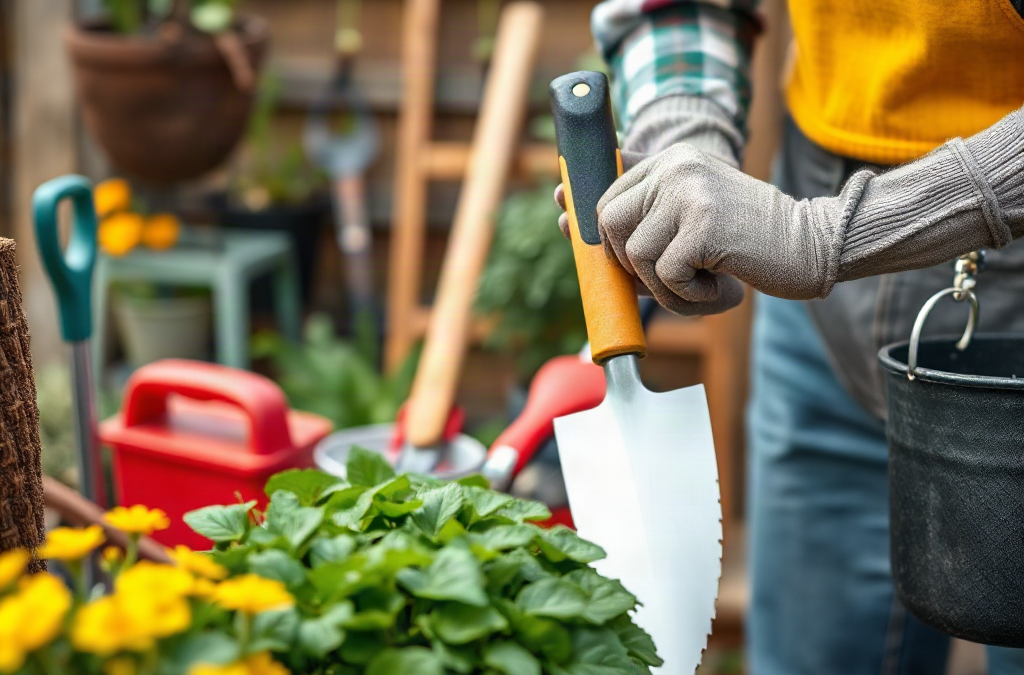
Choosing the right tools for gardening involves selecting equipment that suits your garden's specific needs and your personal gardening style. Prioritize quality over quantity, focusing on essential tools like a spade, pruners, and a trowel. Consider ergonomics and durability, as well as your garden's size and type of plants. Avoid common mistakes, such as buying tools that are too heavy or complicated for your skill level.
Understanding Your Gardening Needs
To choose the right tools for gardening, begin by assessing your specific gardening needs. Different types of gardening, such as vegetable gardening, flower gardening, or landscaping, require different tools. Understanding the size of your garden, the types of plants you are growing, and the tasks you plan to perform will guide your tool selection. For instance, a small urban garden may need minimal tools, while a larger landscape project will require more specialized equipment.
Consider the gardening tasks you will undertake. Will you be planting, weeding, pruning, or maintaining a lawn? Each task may necessitate different tools. A common mistake is to overestimate what tools you will need, leading to unnecessary expenses and clutter. Instead, focus on essential tools that will allow you to complete your gardening tasks effectively.
Essential Gardening Tools
There are several essential tools that every gardener should consider. These include:
- Spade: A versatile digging tool for breaking ground and planting.
- Trowel: Ideal for planting small plants and digging in tight spaces.
- Pruners: Necessary for trimming and shaping plants.
- Rake: Helps in leveling soil and gathering debris.
- Hoe: Useful for weeding and cultivating soil.
When selecting these tools, prioritize those that will be most beneficial for your gardening style. For example, if you plan to grow herbs or small vegetables, a trowel and pruners may be more useful than a large spade.
Evaluating Tool Quality
The quality of gardening tools can greatly affect their performance and longevity. Tools made from high-quality materials, such as stainless steel or high-carbon steel, will last longer and perform better than cheaper alternatives. Look for tools with sturdy construction, ergonomic handles, and a good weight balance.
Before purchasing, consider reading reviews or seeking recommendations from experienced gardeners. A common pitfall is purchasing tools based solely on price, which can lead to dissatisfaction and frequent replacements. Investing in quality tools may have a higher upfront cost but will save money and frustration in the long run.
Ergonomics and Comfort
Comfort is a crucial factor when choosing gardening tools, especially if you plan to spend extended periods working in your garden. Ergonomically designed tools help reduce strain on your hands and back, making gardening more enjoyable and less physically taxing.
When testing tools, hold them to see how they feel in your hands. Look for features such as padded handles and lightweight designs. Avoid tools that feel cumbersome or uncomfortable, as they can lead to fatigue and discourage gardening. A common mistake is to overlook comfort in favor of aesthetics or brand, but comfort should be a top priority for effective gardening.
Frequently Asked Questions
What are the most important tools for beginner gardeners?
Beginner gardeners should focus on essential tools like a trowel, pruning shears, and a hand rake. These tools cover most basic gardening tasks.
How do I maintain my gardening tools?
Regularly clean your tools after use, sharpen blades as needed, and store them in a dry place to prevent rust.
Can I use household tools for gardening?
While some household tools can be adapted for gardening, specialized gardening tools are designed for better efficiency and effectiveness.
What should I consider when buying gardening tools?
Consider the tool's quality, ergonomics, and your specific gardening needs. Investing in high-quality tools will save you money in the long run.
How often should I replace my gardening tools?
Replace gardening tools when they become dull, damaged, or uncomfortable to use. Regular maintenance can extend their lifespan.
Conclusion
Choosing the right tools for gardening is essential for both efficiency and enjoyment. By understanding your gardening needs, selecting quality tools, and prioritizing comfort, you can create a productive gardening experience. Focus on essential tools that align with your gardening style, and remember that investing in quality pays off in the long term. Start with a few key tools and expand your collection as you gain experience and confidence in your gardening journey.


