
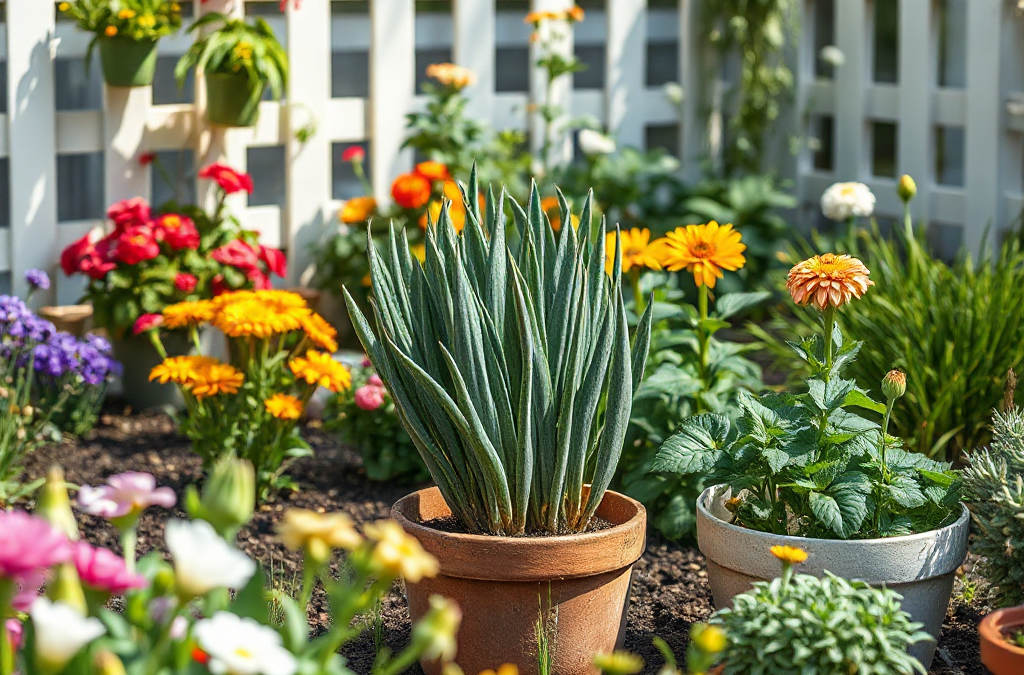
Create a garden maintenance schedule by listing each bed, plant, and recurring task, then assigning watering, weeding, feeding, pruning, pest checks, and seasonal cleanup to realistic weekly or monthly dates. Group jobs by frequency so urgent tasks such as checking dry soil or removing diseased leaves are not buried under occasional work. Adjust the plan for rainfall, plant growth, soil type, and local frost dates rather than following a rigid calendar. A short weekly inspection prevents small problems from becoming major repairs, while a seasonal review keeps pruning, planting, mulching, and tool preparation in the right order.
Audit the Garden Before Building the Schedule
A useful maintenance schedule begins with an inventory, not a blank calendar. Walk through the property and divide it into manageable areas such as a vegetable bed, perennial border, containers, lawn edges, shrubs, and compost space. Record what grows in each area, how much sunlight it receives, whether the soil drains quickly, and which jobs have been missed in the past. A container on a sunny patio may need attention every day in hot weather, while an established shrub border may only need inspection and occasional pruning.
The audit reveals the garden’s actual workload. Count irrigation zones, note plants that shed heavily, and mark locations where weeds spread from paths into beds. Check whether tools, hoses, stakes, row covers, and mulch are stored where they will be used. A schedule that ignores these practical details often fails because a twenty-minute watering task becomes an hour-long search for equipment.
Separate observations from assumptions. “Water every morning” is less useful than “check the top layer of soil in the raised bed and water deeply when it is drying.” Soil texture, recent rain, plant maturity, and exposure all affect water demand. Keep a simple record for two or three weeks, including rainfall and signs of wilting, runoff, standing water, or new growth. That record provides a better starting point than copying a routine from a different climate.
Use the inventory to identify high-consequence tasks first. Newly planted seedlings, containers, fruiting crops, and plants showing disease or pest damage deserve more frequent checks than established drought-tolerant perennials. A common mistake is giving every part of the garden equal calendar space. Prioritizing by vulnerability makes the schedule shorter and more reliable.
Assign Tasks by Frequency and Plant Need
Organize maintenance into daily, weekly, monthly, and seasonal tasks, but let plant needs determine the exact timing. Daily work is usually limited to quick observations: checking containers, looking for wilt, noticing storm damage, and confirming that irrigation operated. Weekly work may include weeding while seedlings are small, inspecting leaf undersides for pests, deadheading spent flowers, harvesting produce, and checking ties on supported plants.
Monthly tasks are more deliberate. Review mulch depth, clear clogged emitters, sharpen or clean tools, inspect edging, and assess whether plants are crowding one another. Feeding should not be placed on autopilot; it depends on the plant, soil fertility, growth stage, and product directions. Overfertilizing can produce soft, leafy growth and increase runoff, while failing to feed a heavy-feeding crop may limit performance. Link each treatment to an observation rather than to a date alone.
A compact planning table can use four columns: task, area, trigger, and frequency. “Water tomatoes” is vague; “check tomato soil after two hot days and water at the base when the root zone is dry” is actionable. “Control pests” is also too broad. Record the plant, visible damage, pest or symptom if known, and the least disruptive response to try first. The how to create a garden maintenance schedule process becomes much easier when every entry describes a visible decision.
Match the schedule to available time. A gardener with ten minutes on weekday mornings might inspect plants and harvest, reserving an hour on Saturday for weeding and pruning. Someone away during the week may favor drip irrigation, heavier mulch, fewer containers, and plants with compatible water needs. The wrong assumption is that a detailed schedule must contain more tasks. A smaller garden that can actually be maintained will usually outperform an ambitious plan that depends on perfect attendance.
- Frequent checks: soil moisture, wilting, pest activity, storm damage, and harvest readiness.
- Weekly work: weeding, deadheading, shallow equipment checks, and cleanup of diseased debris.
- Monthly work: mulch review, irrigation inspection, tool care, and planting-space assessment.
- Seasonal work: pruning at the appropriate time, crop changes, frost preparation, and bed renovation.
Build Seasonal Checkpoints Around Local Conditions
Seasonal checkpoints should follow local weather and plant development rather than fixed national dates. Spring planning may include removing winter protection, testing irrigation, preparing beds, and watching soil temperature before sowing. Summer maintenance shifts toward moisture management, harvesting, shade protection, and rapid pest detection. Autumn often brings crop removal, composting of healthy plant material, mulching, and protection for vulnerable perennials. Winter can be used for tool maintenance, seed planning, structural pruning where appropriate, and reviewing what failed.
Local frost dates are useful planning references, but they do not replace observation. A late cold spell can damage tender transplants even when the calendar suggests planting is safe. Likewise, an unusually wet spring may delay bed preparation and reduce the need for irrigation while increasing slug pressure or fungal problems. Put weather-sensitive tasks on a “watch” list with a trigger, such as several nights near the expected frost range or a prolonged period without rain.
Plant type changes the seasonal workload. Cool-season greens may need succession sowing and frequent harvest, while flowering shrubs may require pruning only after their bloom period. Fruit trees, roses, vines, and many perennials can be harmed by pruning at the wrong time, so check plant-specific guidance from a university extension service before adding major cuts to the calendar. The schedule should distinguish routine trimming from structural pruning, which carries greater risk.
Consider competing priorities. Mulching can reduce evaporation and weed emergence, but mulch piled against stems may retain excess moisture and encourage rot or pest shelter. Clearing every fallen leaf may make beds look tidy, yet healthy leaves can often be composted or left where appropriate; diseased material needs more cautious handling. A common failure is treating seasonal cleanup as cosmetic work while postponing irrigation repairs, drainage problems, or removal of visibly diseased tissue.
Use one seasonal review at the end of each quarter. Note which tasks took longer than planned, which plants needed more water, and where weeds or pests appeared first. Move those observations into next season’s schedule. This turns a static checklist into a record of the specific garden rather than a generic calendar.
Use the Schedule Without Making It Rigid
The best schedule is a decision system with room for weather, growth, and missed days. Keep one master calendar for predictable work and one short weekly checklist for observations. Calendar reminders suit tasks such as cleaning filters or checking supports; trigger-based notes suit watering, pest response, and frost protection. Combining both prevents a rigid date from overriding what the plants and soil are showing.
Review the garden in a consistent order so problems are found early: inspect containers, scan new growth, check soil moisture, look beneath leaves, examine stems and supports, then look at paths and irrigation. If a plant is wilting but the soil is wet, adding water may worsen the problem; inspect roots, drainage, heat exposure, or disease symptoms instead. If leaves are chewed, identify the pattern before applying a treatment. Safer pest-management guidance from the EPA and local extension services can help with product choice and application limits.
Track whether the plan is working. Signs of a useful schedule include fewer emergency watering sessions, weeds removed while still small, harvests collected before quality declines, and irrigation problems found before plants suffer. Signs of failure include repeated overdue tasks, standing water, neglected containers, or a checklist so long that it is routinely abandoned. Shorten the plan, combine nearby jobs, or change the garden layout rather than blaming poor discipline.
Connect maintenance with related planning through how to create a garden maintenance schedule notes for planting dates, crop rotation, and compost use. Keep a backup plan for travel or illness: group plants by water need, install tested irrigation, ask someone to inspect containers, and identify the few tasks that cannot wait. A common misconception is that automation eliminates maintenance. Timers still need checking for clogged emitters, leaks, changed weather, and uneven coverage.
End each week by choosing the next three priorities. Put urgent plant-health or water issues first, time-sensitive harvesting and pruning second, and appearance-based cleanup last. That order protects the garden when available time shrinks and makes the routine sustainable across the growing season.
Frequently Asked Questions
How often should a garden maintenance schedule be updated?
Review it weekly during active growth and revise it after major weather changes, planting changes, or repeated task failures.
Should watering be scheduled every day?
Not automatically. Check soil moisture, rainfall, plant age, container size, and exposure; deep, appropriate watering is preferable to a fixed daily routine.
What should be on a weekly garden checklist?
Inspect soil moisture, weeds, pests, plant supports, irrigation, storm damage, and harvest readiness, then remove diseased debris when necessary.
How can a busy gardener keep up with maintenance?
Prioritize vulnerable plants, group jobs by location, use mulch and tested irrigation, and reserve a short recurring block for inspection rather than trying to do everything at once.
Is a paper calendar or digital reminder better?
Either works. Paper is convenient at the garden gate, while digital reminders help with recurring tasks; a trigger-based note is still needed for weather-dependent work.
Conclusion
A workable garden maintenance schedule reflects the garden you actually have: its plant mix, soil, exposure, irrigation, weather, and the time you can reliably give it. Begin with an inventory, rank plants by vulnerability, and separate quick inspections from weekly, monthly, and seasonal work. Use calendar dates for predictable jobs, but let soil moisture, rainfall, frost risk, plant growth, and visible symptoms change the plan. Review the checklist often enough to remove tasks that add little value and strengthen the ones that prevent costly problems. Write next week’s three priorities before the current week ends, then record what the garden taught you. Over time, the schedule becomes a practical maintenance record rather than a rigid list, making timely care easier and more consistent.
Further Reading
Authoritative Sources
- How to Create a Garden Maintenance Schedule That Works
yeahlifestyle.comAssess Your Garden's Requirements · Choose a Maintenance Frequency · Create a Seasonal Calendar · Incorporate Time-Saving Techniques · Use ...
- Regular garden maintenance: annual schedule and season ...
lokki.rentIn this comprehensive guide, you'll discover how to maintain your garden all year round, with a precise seasonal calendar, essential tools, and practical time- ...
- Seasonal Garden Maintenance Checklist - The Pot Shack
potshack.netStart by removing any dead leaves, weeds, or debris that may have accumulated over the winter. Clear out old mulch and prune any plants that need trimming. This ...
- Your Month-by-Month Garden Maintenance Guide
sunnyside-gardens.comOur Garden Maintenance Schedule helps you stay on track with monthly key garden tasks. Use this guide alongside our linked resources!


