
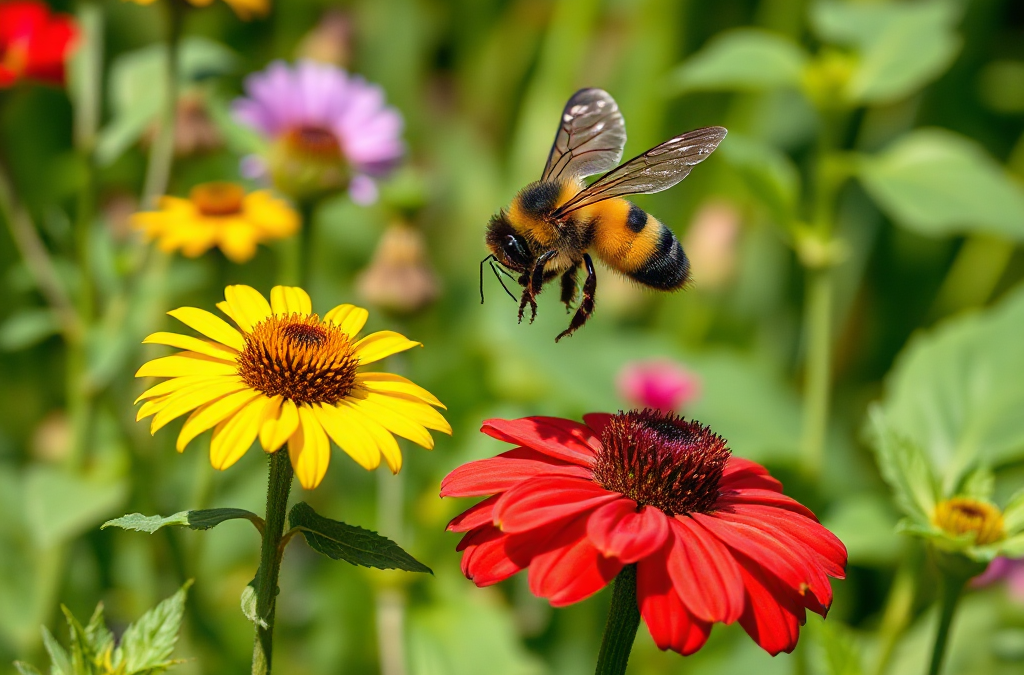
Creating a garden that attracts pollinators involves selecting the right plants, designing diverse habitats, and ensuring continuous bloom throughout the seasons. Start by incorporating native flowering plants like coneflowers and black-eyed Susans, which provide nectar and pollen. Additionally, avoid pesticides and provide water sources to support pollinators. By focusing on these elements, you can create a vibrant ecosystem that benefits both your garden and local wildlife.
Choosing the Right Plants
To attract pollinators effectively, selecting the right plants is crucial. Native plants are particularly beneficial, as they have evolved in harmony with local pollinators and provide the necessary resources they need. Consider incorporating a variety of flowering plants that bloom at different times throughout the growing season to ensure a continuous supply of nectar and pollen.
For example, plants like coneflowers, black-eyed Susans, and milkweed are excellent choices as they attract a wide range of pollinators, including bees, butterflies, and hummingbirds. Additionally, grouping plants in clusters can make them more visible and accessible to pollinators.
When selecting plants, aim for diversity, including both annuals and perennials, to create a dynamic environment. This approach not only attracts a variety of pollinators but also helps maintain ecological balance in your garden.
Designing a Pollinator-Friendly Habitat
A well-designed garden habitat plays a significant role in attracting pollinators. Start by creating distinct zones within your garden that cater to different species. For instance, a sunny area with open flowers will attract bees, while shady spots with moisture may appeal to butterflies.
Incorporating elements such as water sources—like birdbaths or shallow dishes filled with pebbles—can provide essential hydration for pollinators. Additionally, consider adding nesting sites by leaving some areas of your garden undisturbed or providing bee hotels that offer safe havens for solitary bees.
Creating a diverse landscape with varying heights and textures can also enhance the visual appeal of your garden while providing shelter and foraging opportunities for pollinators. This layered approach not only benefits pollinators but adds aesthetic value to your outdoor space.
Maintaining Your Pollinator Garden
Regular maintenance is essential to keep your pollinator garden thriving. This includes watering plants during dry spells, especially in the early stages of growth, and mulching to retain moisture and suppress weeds. Avoid using chemical pesticides, as they can harm beneficial insects and disrupt the ecosystem.
Instead, consider using organic pest control methods, such as introducing beneficial insects like ladybugs or using insecticidal soaps as a last resort. Monitoring plant health and replacing any dead or diseased plants promptly will also contribute to a vibrant garden.
Seasonal clean-ups, such as cutting back perennials in the fall rather than spring, can provide overwintering habitats for pollinators. Leaving some plant stems intact during winter can offer shelter for insects, further supporting their populations.
Common Mistakes to Avoid
While creating a pollinator garden can be rewarding, there are common pitfalls to be aware of. One major mistake is planting only a few types of flowers, which limits the variety of pollinators you can attract. Aim for at least ten different species to create a more inviting environment.
Another common error is neglecting to consider bloom times. A garden that lacks flowers during certain seasons may fail to support pollinators year-round. Researching plants that bloom at different times will help ensure a continuous food source.
Lastly, avoid using pesticides and herbicides, which can be detrimental to pollinator health. Instead, focus on natural gardening practices that promote biodiversity and ecological balance.
Frequently Asked Questions
What types of plants are best for attracting pollinators?
Native flowering plants like coneflowers, black-eyed Susans, and milkweed are excellent for attracting a variety of pollinators.
How can I design my garden to support pollinators?
Create distinct zones with sunny areas for bees and shaded spots for butterflies, and include water sources and nesting sites.
What maintenance is required for a pollinator garden?
Regularly water plants, avoid chemical pesticides, and perform seasonal clean-ups to support pollinator habitats.
How can I avoid harming pollinators in my garden?
Avoid using chemical pesticides and herbicides, and focus on organic gardening practices that promote biodiversity.
Why is it important to attract pollinators?
Pollinators are essential for the reproduction of many plants, contributing to biodiversity and the health of ecosystems.


