
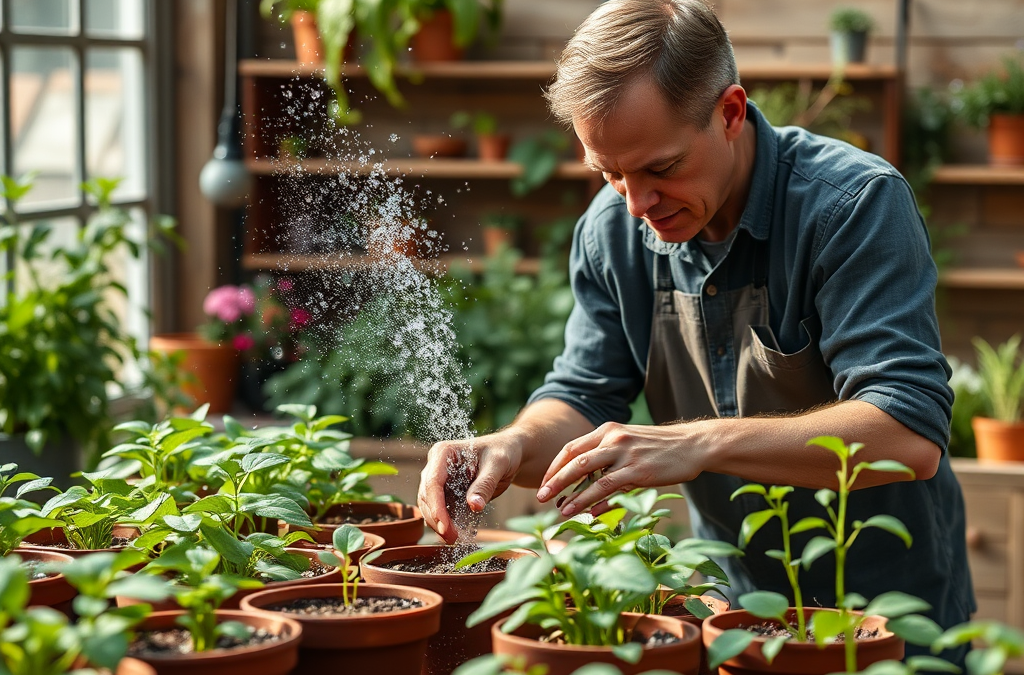
To create a watering schedule for plants, assess their specific needs based on factors such as plant type, soil moisture, and climate conditions. Start by determining how often each plant requires watering, typically ranging from daily to weekly. Monitor soil moisture levels regularly, adjusting the schedule as needed, especially during hot or dry spells. Understanding these factors will help ensure your plants receive the right amount of water for optimal health.
Understanding Plant Watering Needs
Each plant species has unique watering requirements influenced by factors such as growth stage, type of soil, and environmental conditions. For instance, succulents and cacti need significantly less water than tropical plants. Understanding these needs is crucial for developing a successful watering schedule. Assess the specific moisture levels preferred by your plants and consider their natural habitat to gauge their requirements.
For example, a plant native to arid regions will thrive with a different moisture regime than a plant from a humid rainforest. Additionally, consider the size of the plant; larger plants typically require more water. Start by researching the plants in your garden to create a tailored watering plan.
Creating Your Watering Schedule
Once you understand your plants’ needs, the next step is to create a watering schedule. Begin by determining the frequency of watering. For most plants, a general rule is to water when the top inch of soil feels dry. However, this can vary based on the plant type and season. A calendar can be a useful tool to keep track of watering days.
Consider using a simple chart or a digital app to manage your schedule. Include details such as the plant type, watering frequency, and any special notes (e.g., adjusting for seasonal changes). For instance, during the summer months, many plants may require more frequent watering due to higher evaporation rates. Conversely, reduce watering in winter when plants are dormant.
Monitoring and Adjusting Your Schedule
Regular monitoring is essential to ensure your watering schedule remains effective. Check the soil moisture levels frequently, especially in changing weather conditions. Use a moisture meter for precision or simply stick your finger into the soil to gauge moisture. If the soil is consistently too dry or too wet, adjust your watering schedule accordingly.
Pay attention to plant responses as well. Yellowing leaves can indicate overwatering, while wilting may suggest underwatering. Keep a gardening journal to note these changes and refine your schedule. Adapting your approach based on real-time observations will lead to healthier plants.
Common Mistakes to Avoid
Creating an effective watering schedule can be straightforward, but common pitfalls can hinder your efforts. One frequent mistake is overwatering, which can lead to root rot and plant death. Always check soil moisture before watering to avoid this issue.
Another common error is neglecting to adjust your schedule as seasons change. Plants may need more water during hotter months and less during cooler periods. Additionally, failing to consider the plant’s growth stage can lead to improper watering; newly planted seedlings often require more frequent watering than established plants. Being mindful of these mistakes will help you maintain a healthy watering routine.
Frequently Asked Questions
How often should I water my plants?
The watering frequency depends on the plant species, soil type, and environmental conditions. Generally, most houseplants require watering once a week, but it's essential to check soil moisture first.
What is the best time to water my plants?
Watering in the early morning or late afternoon is ideal as it minimizes evaporation and allows plants to absorb moisture before the heat of the day.
Can I use tap water for my plants?
Yes, but let tap water sit for 24 hours to allow chlorine to dissipate. Rainwater is also an excellent alternative for plants.
How can I tell if my plant is overwatered?
Signs of overwatering include yellowing leaves, wilting despite wet soil, and root rot. Adjust your watering schedule if you notice these symptoms.
What tools can help me monitor soil moisture?
Moisture meters are effective tools for measuring soil moisture levels. Alternatively, you can use your finger to check the top inch of soil for dryness.
Conclusion
Creating a watering schedule for your plants is essential for their health and growth. By understanding their specific needs, establishing a consistent schedule, and monitoring conditions, you can ensure your plants thrive. Remember to adjust your routine based on seasonal changes and plant responses to achieve the best results.


