
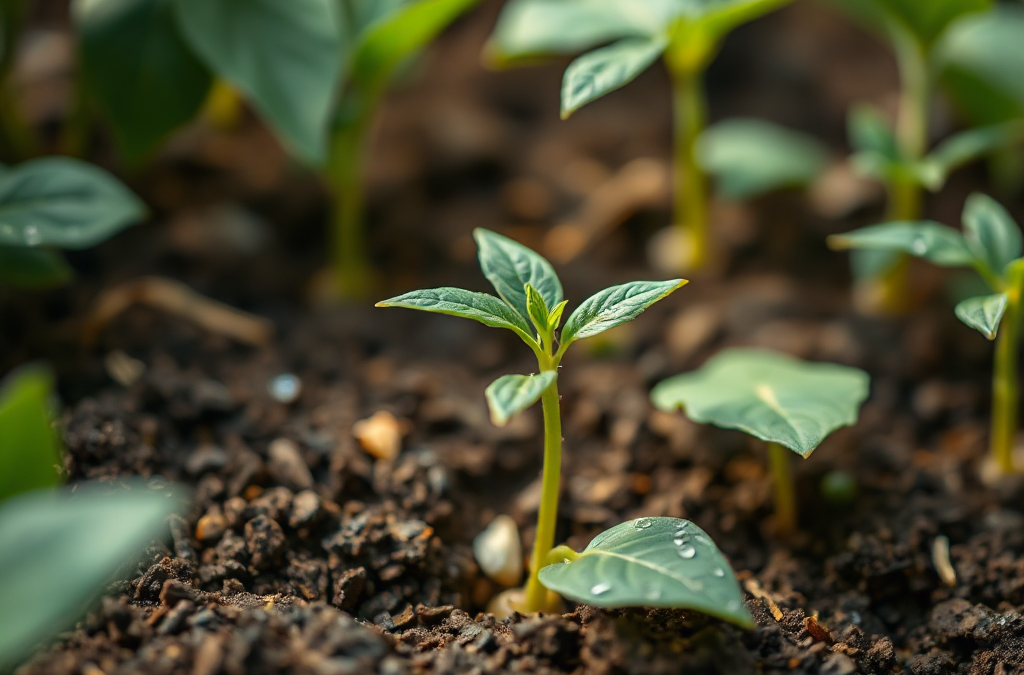
Beans may fail to germinate due to inadequate moisture, poor soil conditions, or inappropriate temperatures. Ensuring consistent moisture levels is crucial, as too little or too much water can hinder seed sprouting. Additionally, using well-draining soil with adequate nutrients and maintaining temperatures between 70°F and 90°F can significantly improve germination rates. Understanding these factors can help you achieve a successful bean crop.
Moisture Levels and Their Impact on Germination
Moisture is a critical factor in the germination of beans. Seeds require a specific amount of water to activate enzymes that begin the germination process. If the soil is too dry, the seeds may not absorb enough moisture, leading to poor or no germination. Conversely, excessive moisture can cause seeds to rot before they have a chance to sprout. It’s essential to maintain optimal moisture levels, which can be achieved by regularly checking the soil and watering as needed without over-saturating.
One common practice is to use a soil moisture meter to gauge the moisture content accurately. Beans typically thrive in soil that is consistently moist but not waterlogged. A good rule of thumb is to water gently and frequently enough to keep the soil damp but not soggy. Additionally, using mulch can help retain moisture in the soil, creating a more stable environment for germination.
Soil Quality and Composition
The type of soil you use can significantly affect the germination of beans. Ideally, beans should be planted in well-draining soil rich in organic matter. Heavy clay soils can retain too much water, leading to issues with drainage and root rot. On the other hand, sandy soils may drain too quickly, depriving seeds of the moisture they need.
To create the best growing conditions, consider amending your soil with compost or organic matter. This not only improves drainage but also adds essential nutrients that can promote healthy growth. Testing your soil for pH and nutrient levels can also provide insights into necessary amendments. Beans generally prefer a slightly acidic to neutral pH (6.0 to 7.0). Adjusting the soil composition accordingly can enhance germination rates and overall plant health.
Temperature Requirements for Bean Germination
Temperature is another essential factor influencing seed germination. Beans germinate best at temperatures ranging from 70°F to 90°F (21°C to 32°C). If the soil temperature is too low, germination can be delayed or completely halted. On the contrary, excessively high temperatures can lead to poor seed development and viability.
Before planting, it is advisable to check the soil temperature, especially in early spring when soil may still be cool. Using black plastic mulch can help warm the soil and create a more favorable environment for germination. Additionally, if planting in cooler climates, consider starting seeds indoors and transplanting them once the soil has warmed sufficiently.
Seed Quality and Viability
Not all seeds are created equal, and the quality of your seeds plays a vital role in germination success. Using old or improperly stored seeds can lead to low germination rates. It’s crucial to check the packaging for a germination percentage and the date of packing. Ideally, seeds should be planted within a year or two of their packaging date for optimal viability.
To ensure you are using high-quality seeds, consider purchasing from reputable suppliers. Conducting a germination test at home can also provide insights into seed viability. Place a few seeds on a damp paper towel, cover them, and keep them in a warm location. If a significant percentage germinates within a week or two, the seeds are likely viable. If not, it may be time to invest in new seeds.
Common Mistakes to Avoid
Several common mistakes can hinder bean germination. One frequent error is planting seeds too deep. Beans typically require shallow planting; a depth of about 1-2 inches is ideal. Planting too deep can prevent the seed from reaching the surface and receiving adequate light.
Another mistake is failing to thin out seedlings after germination. Overcrowding can lead to competition for resources, resulting in weak plants. Ensure to follow the recommended spacing guidelines for the specific bean variety you are growing. Lastly, be mindful of pests and diseases that can attack seedlings. Regular monitoring and preventive measures can help safeguard your emerging plants.
Frequently Asked Questions
What is the ideal soil moisture for germinating beans?
The ideal soil moisture for germinating beans is consistently damp but not soggy, ensuring seeds absorb enough water without risking rot.
How deep should I plant bean seeds?
Bean seeds should be planted about 1-2 inches deep to ensure they can reach the surface and receive adequate light for growth.
What temperature is best for bean germination?
Beans germinate best at temperatures between 70°F and 90°F (21°C to 32°C), so it's important to monitor soil temperature before planting.
How can I test seed viability?
You can test seed viability by placing a few seeds on a damp paper towel and keeping them warm; if most germinate within a week, they are likely viable.
What common mistakes hinder bean germination?
Common mistakes include planting seeds too deep, overcrowding seedlings, and neglecting soil moisture levels, all of which can affect germination success.
Conclusion
Understanding why your beans are not germinating involves considering several crucial factors: moisture levels, soil quality, temperature, and seed viability. By ensuring optimal conditions in these areas, you can significantly improve your chances of a successful bean crop. Regular monitoring and adjustments based on environmental conditions will help you avoid common pitfalls and achieve a thriving garden. Take proactive steps to test your soil, monitor moisture, and choose high-quality seeds for the best results.


