
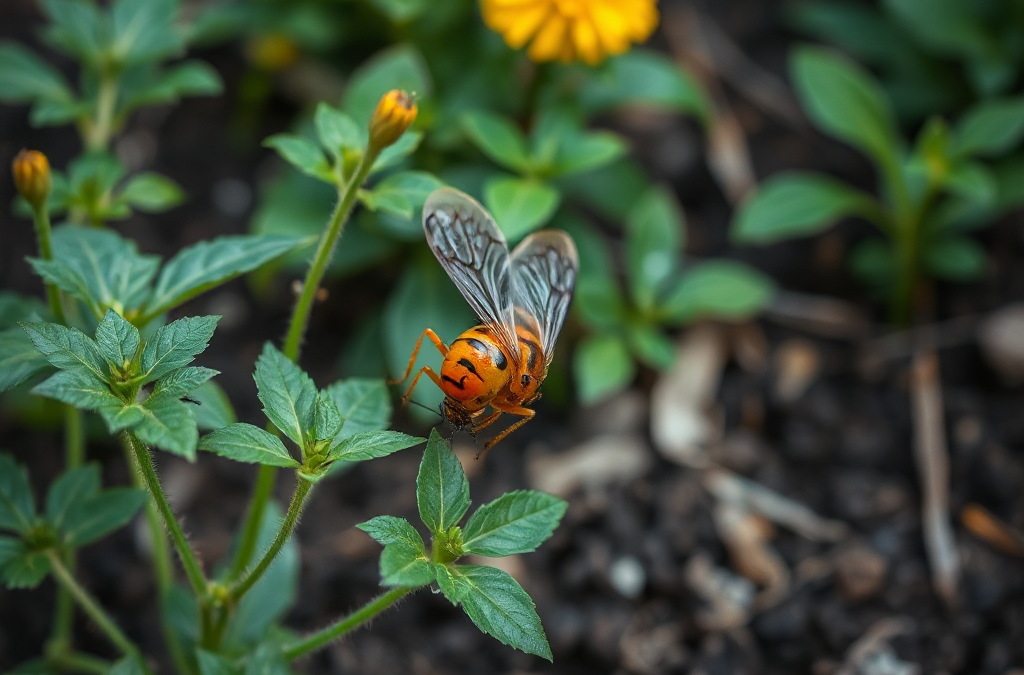
To deal with garden pests without chemicals, utilize natural deterrents such as neem oil, insecticidal soap, and companion planting. These methods not only protect your plants but also promote a balanced ecosystem in your garden. Regularly monitoring for pests and maintaining plant health through proper watering and mulching can further reduce infestations. Avoiding broad-spectrum pesticides is crucial, as they can harm beneficial insects and disrupt the garden's natural balance.
Understanding Natural Pest Control
Natural pest control focuses on using environmentally friendly methods to keep garden pests at bay while preserving beneficial insects. This approach is essential as it minimizes chemical usage and promotes a healthier ecosystem. By understanding the types of pests that commonly invade gardens and their natural predators, gardeners can create a balanced environment that discourages pest infestations. For instance, encouraging ladybugs can help control aphid populations without resorting to pesticides.
Many gardeners mistakenly believe that chemical solutions are the only way to manage pests effectively. However, embracing natural alternatives not only protects the plants but also enhances biodiversity. Additionally, using natural methods often leads to long-term solutions rather than quick fixes, fostering a sustainable gardening practice.
Natural Deterrents and Solutions
Several natural deterrents can effectively manage garden pests without chemicals. One popular option is neem oil, derived from the seeds of the neem tree. This oil disrupts the life cycle of pests and acts as a repellent. When applied as a foliar spray, neem oil can target pests like aphids, spider mites, and whiteflies. It’s crucial to apply it early in the morning or late in the evening to avoid harming beneficial pollinators.
Another effective solution is insecticidal soap, which can suffocate soft-bodied insects. This method is particularly useful for aphids and thrips. Gardeners can either purchase ready-made insecticidal soap or make their own by mixing pure liquid soap with water. When applying, ensure to cover all plant surfaces, as the soap needs to come into direct contact with the pests to be effective.
Garlic and pepper sprays are also potent natural deterrents. By blending garlic or hot peppers with water, gardeners can create a spray that repels many common pests. These mixtures can be easily made at home and are safe for plants and humans alike.
Companion Planting Strategies
Companion planting is a method that involves growing different plants together to enhance growth and deter pests. Certain plants can repel pests or attract beneficial insects that prey on harmful species. For example, planting marigolds alongside vegetables can deter nematodes and aphids. Similarly, basil is known to repel flies and mosquitoes, making it an excellent companion for tomatoes.
Another beneficial pairing is the combination of carrots and onions. Onions can help deter carrot flies, while carrots can mask the scent of onions, making it harder for pests to locate them. This strategic planting not only protects crops but can also improve overall yield and plant health.
Additionally, herbs like dill and cilantro can attract predatory insects, providing natural pest control while enhancing the garden’s biodiversity. Understanding the relationships between different plants can lead to a more resilient garden ecosystem.
Monitoring and Maintenance Practices
Regular monitoring is vital in managing garden pests naturally. Gardeners should routinely inspect plants for signs of pest activity or damage. Early detection allows for timely intervention, which can prevent larger infestations. Setting up traps or using sticky cards can help monitor pest populations effectively.
Maintaining healthy plants through proper watering, mulching, and fertilization is also crucial. Healthy plants are more resilient against pests and diseases. Mulching can suppress weed growth and retain soil moisture, creating a less favorable environment for pests.
Moreover, practicing crop rotation can help prevent the buildup of pests and diseases in the soil. By alternating plant families in a specific area each season, gardeners can disrupt the life cycles of pests that target particular plants.
Frequently Asked Questions
What are the best natural methods to control garden pests?
Effective methods include using neem oil, insecticidal soap, garlic sprays, and companion planting techniques.
Can companion planting really help with pest control?
Yes, companion planting can deter pests and attract beneficial insects, enhancing plant health and yield.
How often should I monitor my garden for pests?
Regular monitoring is recommended at least once a week to catch any pest activity early.
Is insecticidal soap safe for all plants?
While generally safe, it's best to test a small area first, as some plants may be sensitive to soaps.
What should I do if I find pests on my plants?
Identify the pest, then apply a suitable natural deterrent and monitor the plants regularly for further issues.
Conclusion
Managing garden pests without chemicals is not only possible but beneficial for both your plants and the environment. By using natural methods such as neem oil, insecticidal soap, and companion planting, gardeners can effectively deter pests while promoting biodiversity. Regular monitoring and maintenance practices are essential in keeping pest populations under control. By implementing these strategies, you can nurture a thriving garden that is resilient against pests and diseases.


