
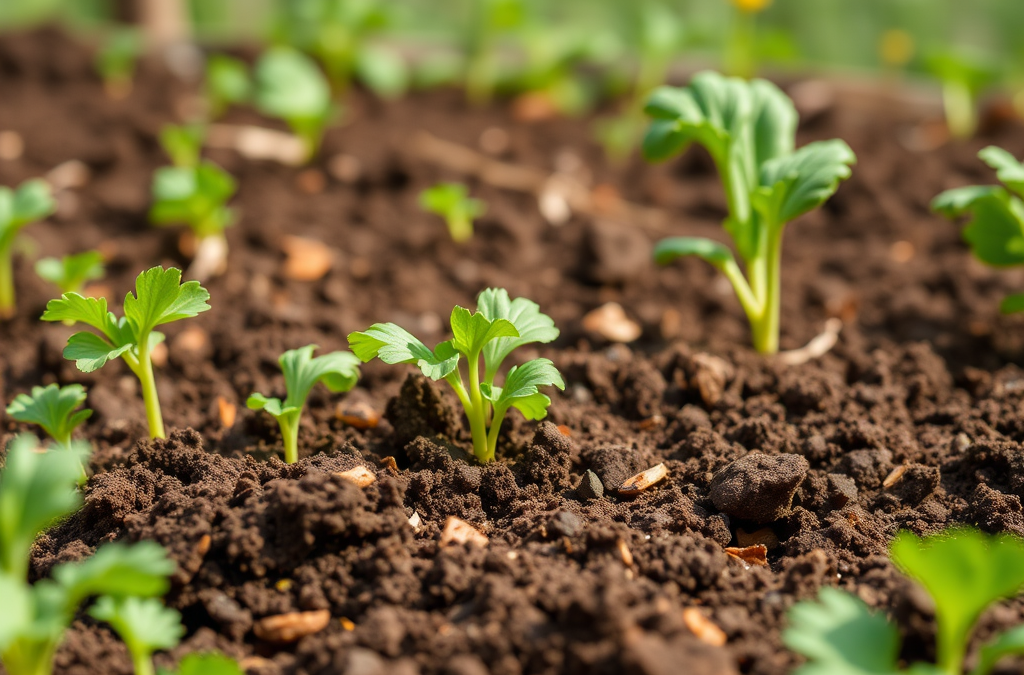
To enhance the flavor of homegrown vegetables, prioritize soil health, consistent watering, and timely harvesting. Enriching your soil with organic matter like compost not only boosts nutrient content but also improves water retention, which is vital for flavor development. Implementing drip irrigation can help maintain consistent moisture levels, preventing bland produce caused by over or under-watering. In closing, harvesting vegetables at their peak ripeness ensures maximum sweetness and flavor, making your homegrown bounty truly delicious.
Understanding Soil Health
Soil health is a fundamental aspect influencing the flavor of homegrown vegetables. Healthy soil is rich in organic matter and nutrients, which are essential for growing flavorful produce. Incorporating compost or well-rotted manure can significantly improve soil quality by enhancing its nutrient content and structure. This results in better water retention and aeration, allowing plants to access essential nutrients more effectively.
One common mistake gardeners make is neglecting soil testing. Conducting a soil test helps identify nutrient deficiencies and pH levels, ensuring that the amendments you add are appropriate for your specific garden needs. For instance, a soil pH that is too high or too low can affect nutrient availability, ultimately impacting flavor.
Watering Techniques for Flavor
Proper watering techniques are crucial for enhancing the flavor of homegrown vegetables. Over-watering can lead to bland, watery produce, while under-watering can stress plants, causing them to produce less flavorful fruits and vegetables. Aim for consistent moisture levels, particularly during dry spells, to promote robust flavor development.
One effective method is to use drip irrigation or soaker hoses, which deliver water directly to the root zone, minimizing evaporation and runoff. This technique allows for more precise control over water supply. Additionally, watering in the early morning or late afternoon can reduce water loss due to evaporation, ensuring plants receive adequate moisture to thrive.
Timing Your Harvest
Harvesting vegetables at the right time is critical for maximizing flavor. Many vegetables, such as tomatoes and peppers, continue to develop flavor and sweetness even after they reach full size. Waiting until they are fully ripe allows for the best taste experience.
Monitoring vegetable maturity can be tricky; however, familiarizing yourself with the expected growth timelines for different varieties can help. For example, heirloom tomatoes often taste best when picked just before they fully ripen on the vine. A general rule of thumb is to harvest in the morning when temperatures are cooler, which preserves flavor and freshness.
Choosing the Right Varieties
Choosing the right vegetable varieties is another key factor in enhancing flavor. Some varieties are bred specifically for taste, while others prioritize yield or disease resistance. When selecting seeds or seedlings, look for those labeled as ‘heirloom’ or ‘open-pollinated,’ as these often have superior flavor profiles compared to hybrid varieties.
For example, heirloom tomatoes are renowned for their rich and complex flavors, while many commercially produced hybrids may lack the same depth of taste. Additionally, consider growing vegetables suited to your local climate and soil conditions, as they are more likely to thrive and develop optimal flavor.
Frequently Asked Questions
What soil amendments improve vegetable flavor?
Organic amendments like compost, aged manure, and worm castings enhance soil nutrients and structure, contributing to better flavor.
How does watering affect vegetable taste?
Consistent watering helps develop flavor; over-watering can dilute taste, while under-watering can lead to stress and less flavorful produce.
When is the best time to harvest vegetables?
Harvest vegetables in the morning for maximum freshness and flavor, picking them at peak ripeness for the best taste experience.
Which vegetable varieties are known for superior flavor?
Heirloom varieties, such as Brandywine tomatoes and Sugar Snap peas, are often recognized for their exceptional taste compared to hybrids.
Does climate affect vegetable flavor?
Yes, local climate and soil conditions significantly influence flavor; vegetables grown in optimal conditions typically taste better.


