
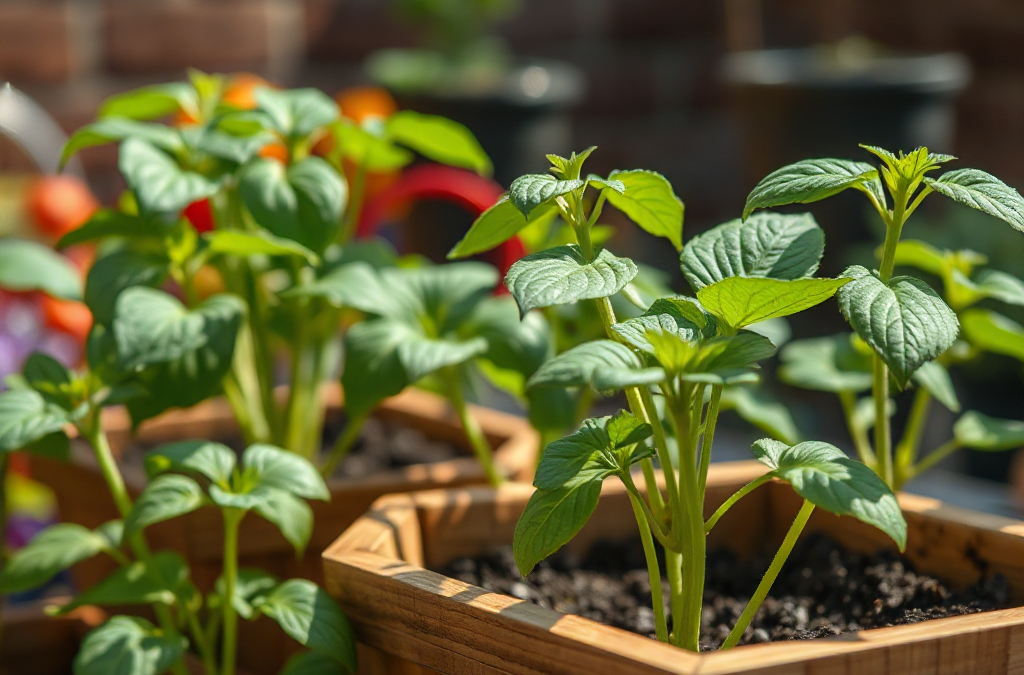
To fix nutrient deficiencies in vegetable plants, start by identifying the specific nutrient that is lacking, which can be indicated by symptoms such as yellowing leaves or poor growth. Once you have determined the deficiency, amend the soil with appropriate organic fertilizers or nutrient-rich compost tailored to address that specific need. Regular soil testing is essential to monitor nutrient levels and prevent future deficiencies, ensuring your plants receive the balanced nutrition they require for healthy development. Additionally, consider using plant tissue analysis for a more comprehensive understanding of your plants' nutrient status.
Identifying Nutrient Deficiencies
Recognizing nutrient deficiencies in vegetable plants is critical for maintaining their health and productivity. Symptoms often manifest in the leaves, with discoloration, curling, or spots indicating specific deficiencies. For instance, yellowing leaves might suggest nitrogen deficiency, while purple hues can indicate a lack of phosphorus. Observing these signs early allows for timely intervention, enhancing the chances of recovery.
Common methods for diagnosing nutrient deficiencies include visual inspection and soil testing. Soil tests can provide a detailed analysis of nutrient levels, allowing gardeners to understand the specific amendments needed. Furthermore, utilizing plant tissue analysis can offer insights into the nutrient status of the plants themselves, providing a comprehensive view of their health.
Common Nutrient Deficiencies in Vegetables
Vegetable plants often experience deficiencies in essential nutrients, each leading to distinct symptoms. Nitrogen, phosphorus, potassium, calcium, and magnesium are among the most common nutrients lacking in garden soils.
Nitrogen deficiency typically results in stunted growth and yellowing leaves, particularly in older foliage. In contrast, phosphorus deficiency can cause dark green or purplish leaves and poor root development. Potassium deficiency often leads to yellowing along leaf edges and increased susceptibility to disease.
Calcium is crucial for cell wall structure, and its deficiency may present as blossom end rot in tomatoes and peppers. Magnesium deficiency can be identified by interveinal chlorosis, where leaf veins remain green while the spaces between them yellow. Understanding these symptoms can guide gardeners in diagnosing and addressing the right nutrient needs.
How to Amend Soil Nutrients
Amending soil to correct nutrient deficiencies involves several practical steps. First, conduct soil tests to determine existing nutrient levels and pH. Based on the results, choose appropriate organic fertilizers or soil amendments that supply the deficient nutrients.
For nitrogen, options include composted manure, blood meal, or fish emulsion. Phosphorus can be added through bone meal or rock phosphate, while potassium can be increased with greensand or wood ashes. Calcium deficiencies can be rectified with lime or gypsum, and magnesium can be supplemented with Epsom salts.
When applying these amendments, follow recommended application rates to avoid over-fertilization, which can harm plants and soil health. Additionally, integrating cover crops can enhance soil fertility and structure over time, reducing the likelihood of nutrient deficiencies.
Preventing Future Nutrient Deficiencies
Preventing nutrient deficiencies in vegetable plants is essential for sustainable gardening. Regular soil testing can help monitor nutrient levels and pH, allowing for timely amendments. Rotating crops each season can also prevent nutrient depletion specific to certain plants.
Incorporating organic matter, such as compost, into the soil not only improves nutrient availability but also enhances soil structure and moisture retention. Mulching can help conserve soil moisture and reduce weeds, which compete for nutrients. Furthermore, practicing good watering techniques ensures that plants receive adequate hydration, supporting nutrient uptake.
Ultimately, educating oneself about the specific nutrient needs of different vegetable varieties can help tailor gardening practices to meet those needs effectively, ensuring a thriving garden.
Frequently Asked Questions
What are the signs of nutrient deficiencies in vegetable plants?
Signs include yellowing leaves, stunted growth, and leaf spots, which vary based on the specific nutrient lacking.
How can I test my soil for nutrient levels?
Soil testing kits are available at garden centers or through local agricultural extensions, providing detailed nutrient analysis.
What is the best way to amend soil nutrients?
Amend soil by adding organic fertilizers, compost, or specific nutrient supplements based on soil test results.
How often should I test my garden soil?
Testing every 2-3 years is recommended, or annually if you notice persistent nutrient issues.
Can I prevent nutrient deficiencies?
Yes, regular soil testing, crop rotation, and adding organic matter can help prevent nutrient deficiencies in your garden.
Conclusion
Addressing nutrient deficiencies in vegetable plants is crucial for their health and productivity. By identifying symptoms promptly and amending the soil accordingly, gardeners can significantly enhance plant growth. Regular soil testing and good cultural practices will not only correct deficiencies but also prevent them in the future, ensuring a bountiful harvest. With the right knowledge and proactive measures, maintaining nutrient balance in the garden becomes a manageable task.


